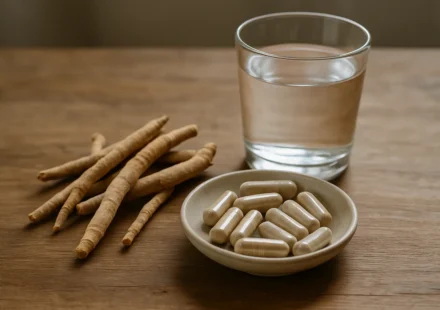
Ashwagandha for Seniors 2026: Benefits, Dose & Cautions

Ashwagandha for seniors has become one of the most talked-about herbal supplements, promoted for better sleep, less stress, sharper memory, and even stronger muscles. Some of that buzz is backed by real clinical trials, and some of it outruns the…
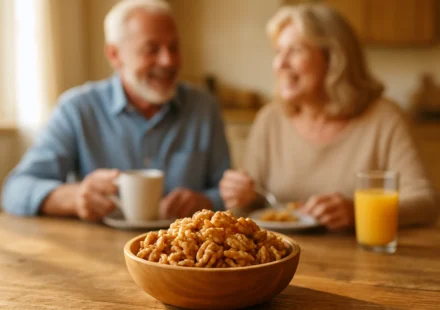
Walnuts for Seniors 2026: Brain, Heart & Best Dose
Few foods pack as much research behind them as the humble walnut. If you’re considering walnuts for seniors as a daily habit, you’re looking at one of the most studied nuts in nutrition science — including a landmark two-year trial designed…
Glucosamine for Seniors 2026: Joint Help or Brain Risk?
Glucosamine is one of the most popular joint supplements among seniors — but a major 2026 study has raised a serious new question about its safety for the brain. Millions of older adults take glucosamine for knee and hip osteoarthritis, often for…
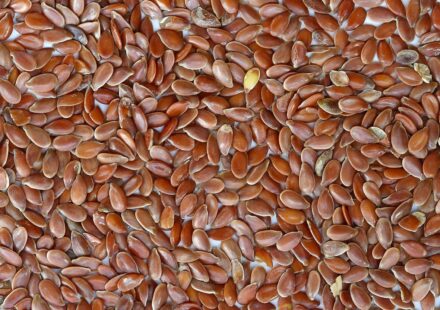
Flaxseed for Seniors: What the Evidence Shows, How to Use It, and Safety Notes
Ground flaxseed is an easy way to add fiber and plant omega-3s to oatmeal or yogurt. Here's what the National Center for Complementary and Integrative Health says the evidence shows, how to use it, and who should check with a doctor first.
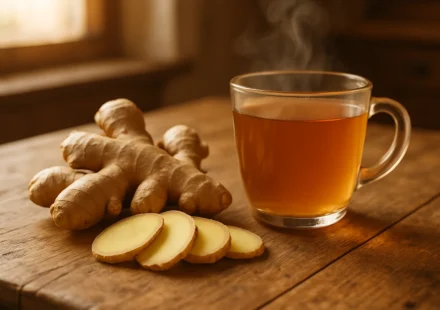
Ginger for Seniors 2026: Benefits, Dose & Cautions
Ginger has been a kitchen-and-medicine-cabinet staple for thousands of years, and modern trials are finally catching up to the folklore. For seniors, ginger has the strongest evidence for easing nausea and shows promising—though more…
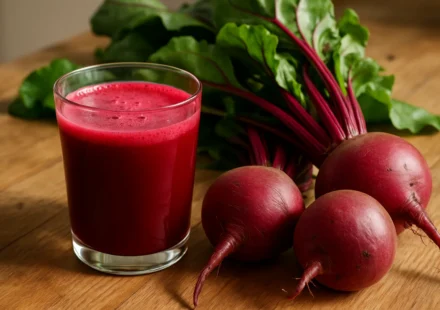
Beetroot Juice for Seniors 2026: Lower Blood Pressure
Few “superfood” claims survive scientific scrutiny, but beetroot juice for seniors is a rare exception — backed by randomized trials showing it can meaningfully lower blood pressure in older adults. The effect is real, it is biological,…

Folate (Vitamin B9) for Seniors: How Much You Need, Best Foods, and When a Supplement Makes Sense
Adults of every age, including seniors, need 400 mcg DFE of folate a day, and most Americans get enough from food and enriched grains. Here's what folate does, the best foods, the 1,000 mcg upper limit on folic acid, and why checking B12 matters before…
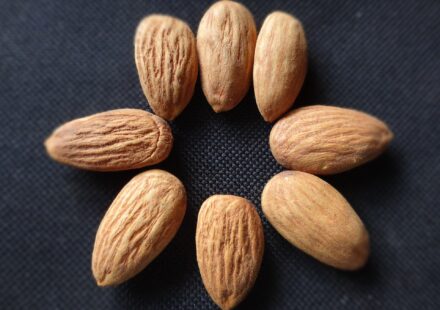
Vitamin E for Seniors: Benefits, Safe Dose, Risks, and Food Sources
Adults need 15 mg of vitamin E (alpha-tocopherol) a day. Food sources are usually enough. High-dose supplements are where bleeding risk and mixed trial results show up - here's what NIH ODS actually says.
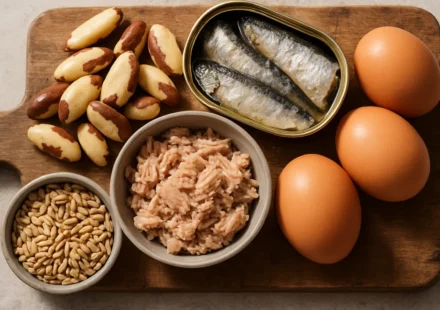
Selenium for Seniors 2026: Thyroid & Immune Benefits
Selenium for seniors is a small mineral with an outsized job. Your body needs only about 55 micrograms a day, yet that tiny amount powers the enzymes that protect your cells from oxidative damage, convert thyroid hormone into its active form, and help…

Creatine for Seniors 2026: Muscle, Strength & Brain Benefits
Creatine for seniors is having a moment — and for once, the science largely backs the hype. Long dismissed as a young bodybuilder’s powder, creatine monohydrate is now one of the most-studied supplements in older adults, with consistent…