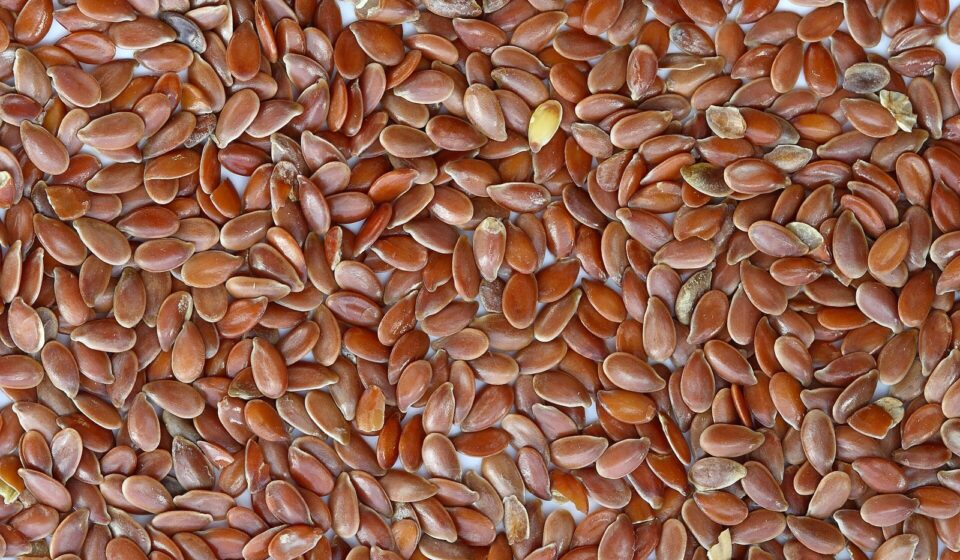

Ground flaxseed is a small daily add-in, not a miracle food. It’s rich in fiber, alpha-linolenic acid (ALA), a plant omega-3, and compounds called lignans. The National Center for Complementary and Integrative Health (NCCIH) says research suggests flaxseed may modestly help cholesterol and blood pressure in some people, while evidence for other uses is mixed or limited. Don’t eat raw or unripe flaxseeds.
I’m a researcher comparing official sources for readers, not a doctor or dietitian. Use this to ask better questions at your next appointment, not to replace prescribed medicine.
What the evidence actually shows
According to NCCIH (reviewed February 2025):
- Cholesterol: Some studies find flaxseed can lower total and LDL cholesterol a modest amount.
- Blood pressure: Limited evidence, including a randomized trial in people with hypertension, suggests it may help lower blood pressure.
- Constipation: The fiber and mucilage can help, similar to other fiber sources.
- Blood sugar: Some research in gestational diabetes looks promising for flaxseed oil; results in type 2 diabetes are mixed, and more work is needed on lignan extracts for glycemic control.
- Weight: One 12-week trial of a flaxseed mucilage powder mixed with water found modest weight loss. That is not the same as sprinkling seeds on oatmeal, and NCCIH notes that lignan extract and flaxseed oil did not show the same effect.
NCCIH does not say flaxseed prevents heart disease, cancer or dementia. Treat marketing claims that go that far with skepticism. NCCIH has also funded early research on how flaxseed might affect the gut microbiome and inflammation; that’s promising science, not a reason to buy a specialty supplement.
How to use flaxseed
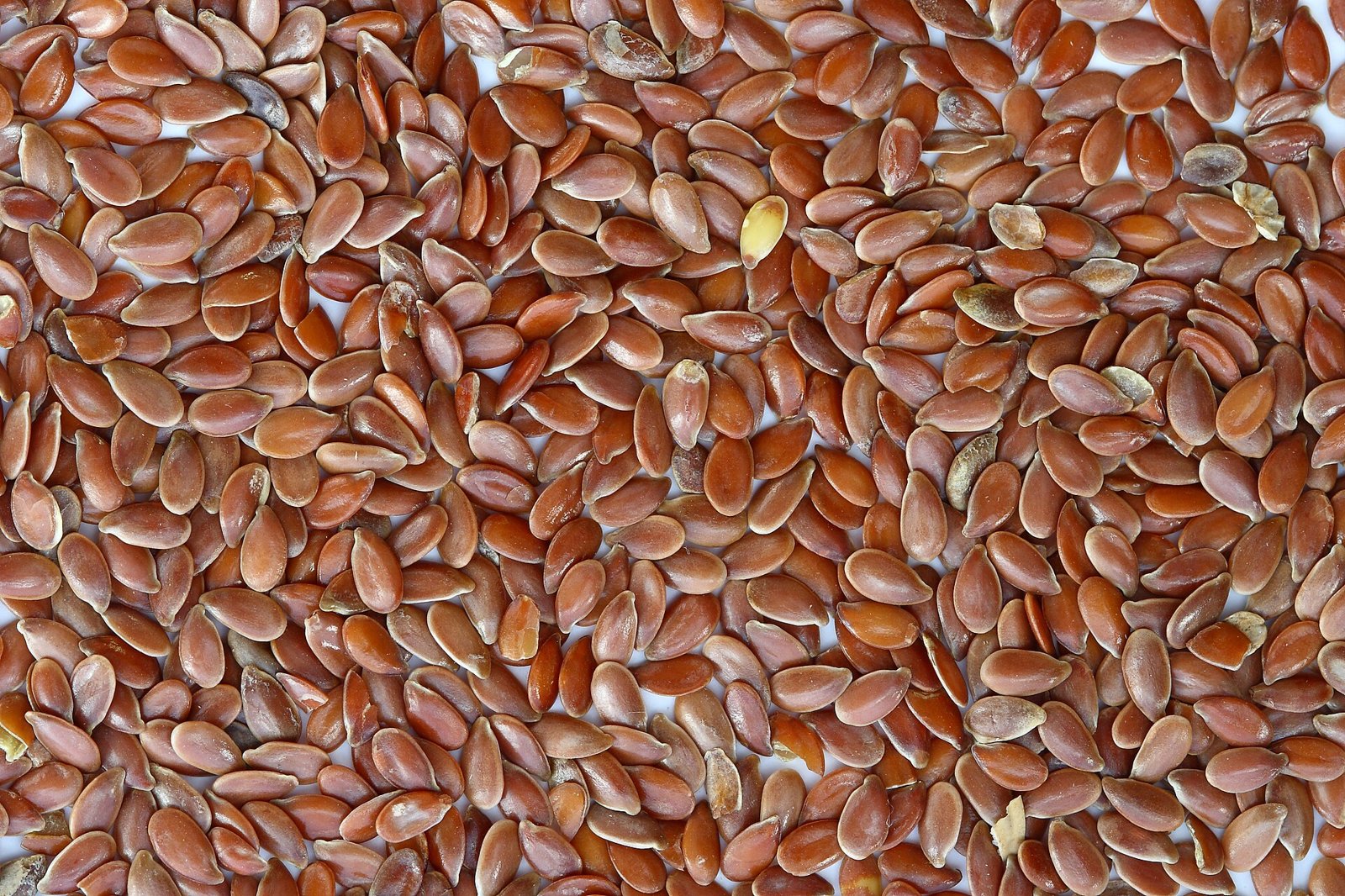
- Prefer ground over whole. Whole seeds often pass through the gut intact. Grind them in a coffee grinder, or buy milled flaxseed.
- Start with 1 tablespoon a day mixed into oatmeal, yogurt, a smoothie or muffins, and drink a glass of water. Work up slowly if your stomach allows.
- Keep ground flaxseed in the fridge in a sealed container; the oils go rancid at room temperature.
- Flaxseed oil provides ALA but almost no fiber. Use it cold (salad dressings); don’t cook with it at high heat.
A tablespoon of ground flaxseed adds roughly 2–3 grams of fiber and a useful amount of ALA, alongside the fiber foods in my high-fiber foods guide. If you’re building a heart-healthy pattern, flaxseed fits beside the fats discussed in my omega-3 guide and Mediterranean diet guide.
Ground seed vs. oil vs. supplements
| Form | What you get | Best for | Caveat |
|---|---|---|---|
| Ground flaxseed | Fiber + ALA + lignans | Everyday oatmeal or yogurt | Goes rancid; refrigerate |
| Flaxseed oil | ALA, little fiber | Cold dressings | No constipation help from fiber |
| Mucilage / lignan products | Concentrated extracts | Only if a clinician suggests them | Not the same as kitchen flaxseed |
Safety notes for older adults
NCCIH’s safety points:
- Don’t eat raw or unripe flaxseeds; they may contain potentially toxic compounds.
- Limited amounts of flaxseed or flaxseed oil appear safe for short-term use (up to about 6 months in studies). Higher doses can cause bloating, fullness and diarrhea.
- There are theoretical interactions with blood thinners and antiplatelet drugs. If you take warfarin, aspirin or similar medicines, ask your doctor or pharmacist before adding flaxseed oil or large amounts of ground flaxseed.
- Evidence on flaxseed in pregnancy is mixed and possibly concerning; little is known about breastfeeding. Those don’t apply to most seniors, but they show the research isn’t complete.
If you have diverticulitis, swallowing problems, or take medicines that can bind to fiber, check with your clinician before adding a daily tablespoon. Fiber supplements and large seed doses can also change how some pills absorb — take medicines and flaxseed at different times if your pharmacist recommends it.
A simple way to try it for two weeks
If your clinician is fine with it, treat flaxseed like a short experiment rather than a forever habit on day one:
- Buy whole brown or golden flaxseed and a $15 coffee grinder (or milled flaxseed with a clear grind date).
- Grind 1 tablespoon fresh each morning for 14 days.
- Stir it into oatmeal or yogurt and drink a full glass of water.
- Note bloating, bathroom changes, and — if you track them — home blood-pressure readings.
- Stop and call your clinician if you get persistent diarrhea, unusual bruising, or trouble swallowing.
Two weeks is long enough to see whether your stomach tolerates it, and short enough to quit without guilt if it doesn’t.
What flaxseed won’t replace
Flaxseed is not a stand-in for blood-pressure medicine, a statin, or the walking and strength work in the CDC activity guidelines for older adults. If a label promises “heart disease prevention” or “brain detox,” that’s ahead of the evidence NCCIH summarizes.
Common questions
Is flaxseed good for seniors?
It can be a useful source of fiber and plant omega-3s, and some studies suggest modest benefits for cholesterol and blood pressure. It’s not a substitute for prescribed medicines or a balanced diet.
Should I take flaxseed oil or ground flaxseed?
Ground flaxseed gives you fiber and ALA. Flaxseed oil gives ALA but little fiber. For most seniors, ground flaxseed is the better everyday choice.
How much flaxseed should I eat a day?
Start with 1 tablespoon of ground flaxseed a day with fluids. Higher amounts raise the chance of digestive side effects.
Can flaxseed interact with blood thinners?
Possibly. NCCIH notes theoretical interactions with anticoagulant and antiplatelet drugs. Ask your doctor if you take them.
Does flaxseed help constipation?
The fiber can help, similar to other fiber foods. Increase gradually and drink water.
Written by Khasim Basha Shaik. I research senior health topics and compare official sources for readers. I’m not a doctor or dietitian. This article summarizes NCCIH guidance and isn’t medical advice. Last reviewed October 12, 2026.