
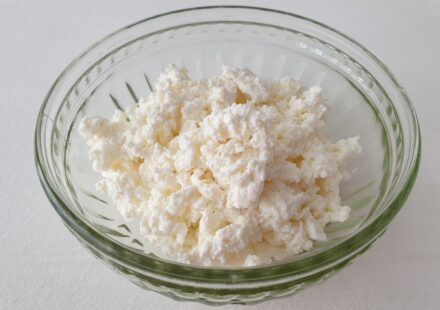
Cottage Cheese for Seniors: Protein for Muscles, What the Label Means, and Sodium Cautions
Cottage cheese is a cheap, high-protein food that fits older adults who need more protein per meal. Here is the USDA math, the casein timing idea, sodium watch-outs, and how to use it without overdoing salt.
Kefir for Seniors in 2026: Gut, Bone and Heart Benefits, Sugar Traps and How to Start
Kefir is a tangy fermented milk drink with protein, calcium and live cultures. Here is what research really shows for older adults, what to watch on the label, and an easy way to add it.
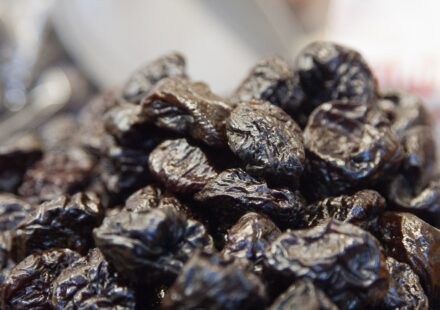
Prunes for Seniors 2026: Bone Density, Constipation Relief and How Many to Eat
Prunes have real trial evidence for two things older adults care about: bone strength and regular bowels. Here is what the studies found, how many to eat, and who should be careful.
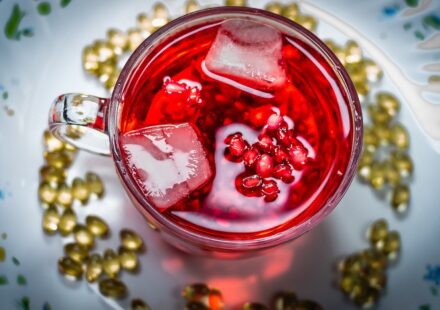
Pomegranate Juice for Seniors: Does It Lower Blood Pressure, How Much to Drink and Who Should Skip It
What 14 clinical trials say about pomegranate juice and blood pressure, the dose that worked best, the sugar, calories and potassium in one cup, warfarin and kidney cautions, and whether whole fruit is a better choice for seniors.
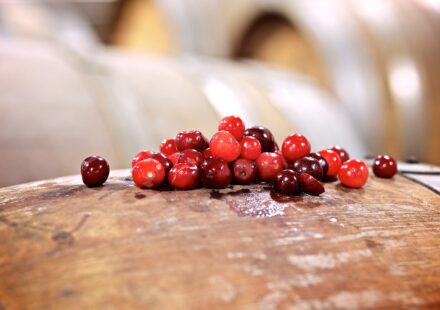
Tart Cherry Juice for Seniors: What the Sleep and Gout Studies Really Show, How Much to Drink, and Who Should Be Careful
Tart cherry juice has a reputation as a natural sleep aid and gout remedy. The evidence is real but small. Here's what the studies found, the amounts they used, and the sugar, potassium and medication issues older adults should know.
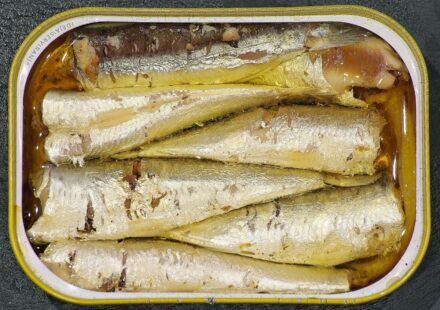
Sardines for Seniors: Calcium, Vitamin D and Omega-3s in One Cheap Can
Canned sardines are one of the best food deals for older adults. Here are the exact USDA nutrient numbers for one can, how they compare with what you need after 65, the low mercury rating, the sodium and gout cautions, and easy ways to eat them.

Blueberries for Seniors: What the Brain and Heart Studies Really Show, How Much to Eat, and Fresh vs. Frozen
Blueberries have some of the best research of any fruit for healthy aging, but the results are more modest than the headlines. Here's what the heart and memory studies found, how much the trials used, and simple ways to eat them.
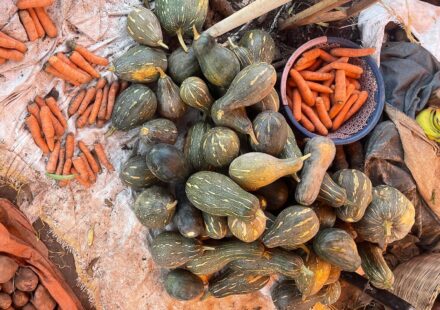
Vitamin A for Seniors: How Much You Need, the Best Foods, and Why Too Much Is the Bigger Risk
Most older Americans get enough vitamin A from food. The bigger risk after 60 is getting too much preformed vitamin A from supplements and liver. Here's how much you need, the best foods, and who should be careful.
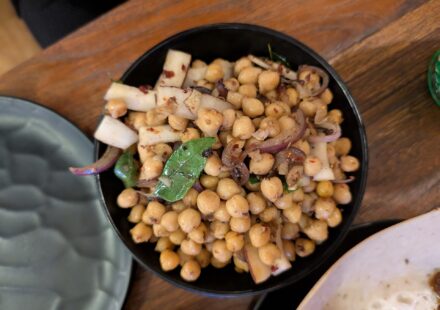
Vitamin B6 for Seniors: Dose, Best Foods, Deficiency, and Toxicity Risk
Adults 51+ need 1.5–1.7 mg of vitamin B6 a day. Food usually covers it. The real hazard is high-dose pyridoxine supplements - NIH sets the adult upper limit at 100 mg because of sensory neuropathy risk.
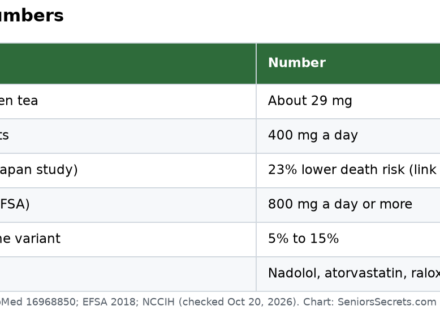
Green Tea for Seniors: Real Benefits, Safe Amounts and the Drug Interactions to Know
Green tea is one of the most studied drinks in the world. Here is what the research really shows for heart health, blood pressure and cholesterol, how much caffeine is in a cup, why extract pills carry a rare liver risk, and which common senior medicines…