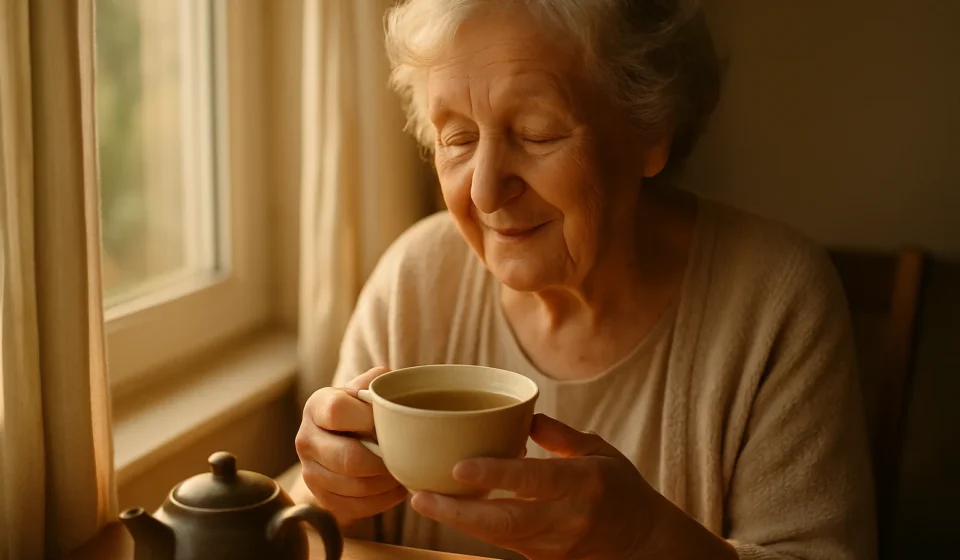

Green tea for seniors may be one of the simplest, least expensive health habits backed by genuinely encouraging research. A daily cup or two has been linked to sharper memory, a healthier heart, and even slower muscle loss — the kind of broad benefits older adults usually have to chase with a cabinet full of supplements. The active compounds are catechins, especially one called EGCG, plus the calming amino acid L-theanine. As a senior health writer I am always cautious about overhyped “superfoods,” so let me give you the honest picture: what the evidence actually shows, how much to drink, and the cautions that matter most after 65.
Table of Contents
- Green Tea and the Aging Brain
- Heart and Metabolic Benefits
- Muscle, Bones, and Beyond
- Benefits and Evidence at a Glance
- How Much, and How to Brew It
- Cautions Every Senior Should Know
- Frequently Asked Questions
Green Tea and the Aging Brain
The cognitive evidence is where green tea looks most promising. A 2025 meta-analysis pooling 18 observational studies and nearly 59,000 people found that green tea consumption was inversely associated with cognitive impairment — and the strongest benefit appeared in people aged 50 to 69. Regular drinkers show lower rates of cognitive decline and fewer biomarkers tied to Alzheimer’s disease, particularly in long-studied Asian populations.
The likely mechanism is twofold. EGCG is a potent antioxidant that reduces oxidative stress in brain tissue, while L-theanine promotes alpha brain-wave activity associated with calm alertness — which is why green tea gives focus without the jittery spike of coffee. It is not a treatment for dementia, and these are associations rather than proof, but for a beverage the signal is impressive. If brain health is your priority, pair the habit with our MIND diet guide for seniors.
Heart and Metabolic Benefits
Green tea consumption is associated with better cardiovascular health through several routes: it modestly lowers LDL (“bad”) cholesterol, can nudge blood pressure down, and improves endothelial function — the ability of your blood vessels to relax and widen. It is also linked to a lower risk of type 2 diabetes, likely through improved insulin sensitivity. None of these effects rival medication, and green tea is not a substitute for prescribed treatment, but as part of an overall pattern it supports the same goals as a heart-healthy diet. If you manage hypertension, read our guide on high blood pressure treatment in seniors and keep taking your medication.
Muscle, Bones, and Beyond
A newer and underappreciated finding: tea catechins may help slow age-related muscle loss (sarcopenia) and support better muscle strength and physical function in older adults. Combined with green tea’s anti-inflammatory effects, that makes it a small but real ally against frailty. Researchers reviewing green tea’s effects on the “hallmarks of aging” in 2025 described benefits spanning multiple body systems. As always, food and drink work best alongside movement and protein — the foundations covered in our anti-inflammatory diet for seniors.
Benefits and Evidence at a Glance
| Benefit | What Research Suggests | Strength of Evidence |
|---|---|---|
| Cognition | Lower cognitive impairment, esp. ages 50–69 | Moderate (large meta-analysis) |
| Heart health | Lower LDL, BP, better vessel function | Moderate |
| Blood sugar | Improved insulin sensitivity, lower diabetes risk | Moderate |
| Muscle | May slow age-related muscle loss | Emerging |
| Longevity markers | Reduced oxidative and inflammatory stress | Emerging |
How Much, and How to Brew It
Most studies showing benefit involve roughly two to three cups a day. Brewing matters: steep loose-leaf or bagged green tea in water that is hot but not boiling (about 160–180°F) for two to three minutes — boiling water scorches the leaves and turns the brew bitter while degrading delicate catechins. Drinking it between meals rather than with them improves iron absorption, an important point for older adults at risk of anemia, because tea tannins can block iron from plant foods. One more practical tip: buy from a reputable source, since tea grown in heavily polluted areas can carry traces of lead.
Cautions Every Senior Should Know
Brewed green tea is very safe in normal amounts, but seniors should keep a few things in mind. The caffeine — about a third of a cup of coffee’s worth — can disturb sleep or worsen palpitations, so favor the early part of the day. Green tea contains vitamin K and can interfere with the blood thinner warfarin; if you take it, talk to your doctor before drinking large amounts. The bigger concern is concentrated green tea extract supplements, which deliver far more EGCG than tea and have been linked to rare cases of liver injury. The simple rule: get your green tea from the cup, not a high-dose capsule, and clear any supplement with your pharmacist. For more on safe daily beverages, compare with our look at coffee and aging in seniors.
Green Tea vs. Black Tea vs. Matcha
All true tea comes from the same plant, Camellia sinensis — the difference is how the leaves are processed. Green tea is minimally oxidized, which preserves more of the delicate catechins, including EGCG, that drive most of its health benefits. Black tea is fully oxidized; it still offers heart-healthy compounds but lower catechin levels. Matcha is a special case: because you whisk and drink the whole powdered leaf rather than steeping and discarding it, a single cup delivers a notably higher concentration of catechins and L-theanine than brewed green tea — along with more caffeine, which is worth keeping in mind if you are sensitive. For most seniors, a couple of cups of ordinary brewed green tea is plenty and easiest on the budget and the nervous system. If you enjoy matcha, treat it as a more concentrated option and have it earlier in the day. Herbal “teas” like chamomile or peppermint are not tea at all and contain none of these catechins, though they have their own gentle merits. Whatever form you choose, variety in your beverages — water first, then tea or coffee in moderation — is a sensible pattern for staying both hydrated and alert.
Frequently Asked Questions
How much green tea should a senior drink daily?
Two to three cups a day is the amount associated with benefits in most research. Drink it earlier in the day to avoid sleep problems, and steep with hot-not-boiling water to preserve the catechins and avoid bitterness.
Is green tea good for memory in older adults?
Research links regular green tea to lower rates of cognitive impairment, with the strongest signal in people 50 to 69. It is not a dementia treatment, but its antioxidant EGCG and calming L-theanine appear to support brain health.
Does green tea interact with medications?
It can. Green tea’s vitamin K may reduce the effect of warfarin, and its caffeine can affect heart rhythm or sleep. Tea also blocks iron absorption when taken with meals. Check with your doctor if you take blood thinners.
Are green tea supplements safe?
Concentrated green tea extract pills deliver much more EGCG than brewed tea and have been linked to rare liver injury. Most experts advise getting green tea from the cup rather than high-dose capsules, and clearing any supplement with a pharmacist.
When is the best time to drink green tea?
Khasim Basha Shaik is the founder and editor of Seniors Secrets. He spends his time digging through Medicare plan documents, government sources and the fine print, so readers can compare their options without the jargon. Every guide here links to its sources, and we update posts when the rules or numbers change. Seniors Secrets offers research and education, not licensed insurance or medical advice, so please confirm plan details with Medicare.gov or a licensed advisor before enrolling. About Seniors Secrets →