
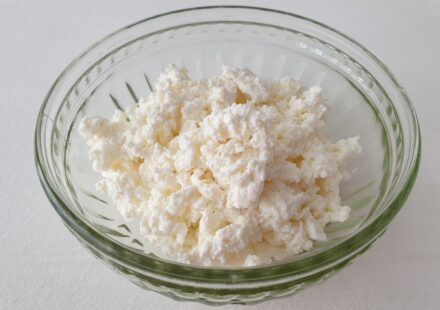
Cottage Cheese for Seniors: Protein for Muscles, What the Label Means, and Sodium Cautions

Cottage cheese is a cheap, high-protein food that fits older adults who need more protein per meal. Here is the USDA math, the casein timing idea, sodium watch-outs, and how to use it without overdoing salt.
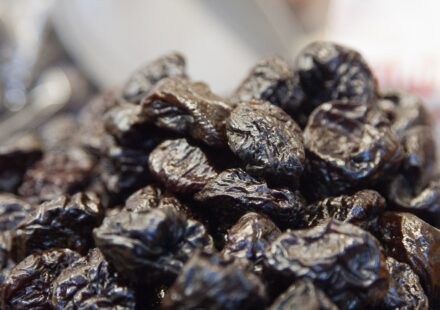
Prunes for Seniors 2026: Bone Density, Constipation Relief and How Many to Eat
Prunes have real trial evidence for two things older adults care about: bone strength and regular bowels. Here is what the studies found, how many to eat, and who should be careful.

Sardines for Seniors: Calcium, Vitamin D and Omega-3s in One Cheap Can
Canned sardines are one of the best food deals for older adults. Here are the exact USDA nutrient numbers for one can, how they compare with what you need after 65, the low mercury rating, the sodium and gout cautions, and easy ways to eat them.
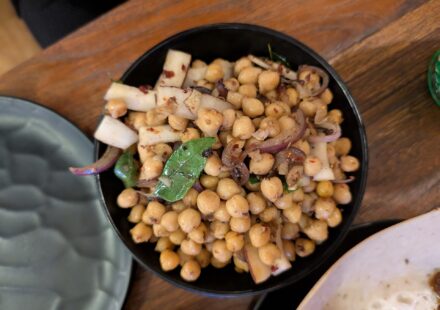
Vitamin B6 for Seniors: Dose, Best Foods, Deficiency, and Toxicity Risk
Adults 51+ need 1.5–1.7 mg of vitamin B6 a day. Food usually covers it. The real hazard is high-dose pyridoxine supplements - NIH sets the adult upper limit at 100 mg because of sensory neuropathy risk.
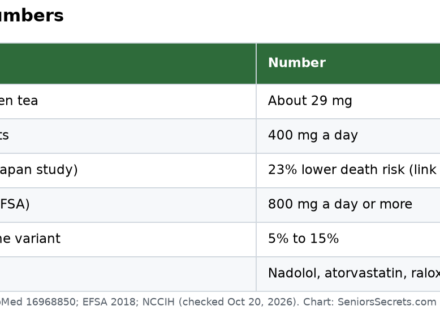
Green Tea for Seniors: Real Benefits, Safe Amounts and the Drug Interactions to Know
Green tea is one of the most studied drinks in the world. Here is what the research really shows for heart health, blood pressure and cholesterol, how much caffeine is in a cup, why extract pills carry a rare liver risk, and which common senior medicines…

Ashwagandha for Seniors 2026: Sleep and Stress Benefits, Dose and Who Should Avoid It
Ashwagandha has fair evidence for stress and sleep, but it can affect the liver and thyroid and interact with common senior medicines. Here is what NIH says, the usual dose and who should avoid it.
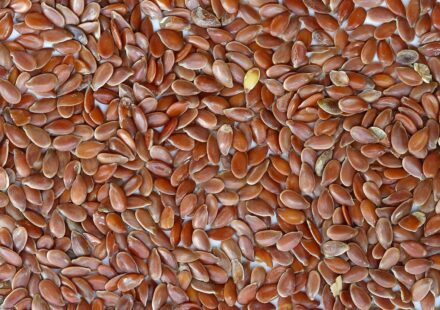
Flaxseed for Seniors: What the Evidence Shows, How to Use It, and Safety Notes
Ground flaxseed is an easy way to add fiber and plant omega-3s to oatmeal or yogurt. Here's what the National Center for Complementary and Integrative Health says the evidence shows, how to use it, and who should check with a doctor first.

Folate (Vitamin B9) for Seniors: How Much You Need, Best Foods, and When a Supplement Makes Sense
Adults of every age, including seniors, need 400 mcg DFE of folate a day, and most Americans get enough from food and enriched grains. Here's what folate does, the best foods, the 1,000 mcg upper limit on folic acid, and why checking B12 matters before…

Collagen for Seniors: What the Research Really Shows for Skin, Joints and Bones
Collagen powders promise smoother skin, easier joints and stronger bones. Here is what the trials actually found, why who paid for a study matters, the doses tested, safety concerns, and the food habits that support your body's own collagen.

Calcium for Seniors: How Much You Need, Best Food Sources, and When Supplements Make Sense
Most older adults need 1,000 to 1,200 mg of calcium a day, ideally from food. Here are the best sources, how to take a supplement if you need one, and why more isn't better.