
Gallstones in Seniors 2026: Symptoms, Risks & Treatment

Gallstones in seniors are far more common than most people realize — and far more likely to turn dangerous. By age 70, more than half of adults have gallstones, and roughly a third of those will eventually develop symptoms. Gallstone disease is…

Hyperthyroidism in Seniors 2026: Signs & A-Fib Risk
Hyperthyroidism in seniors is one of the most easily missed diagnoses in older adults — because it often looks nothing like the textbook picture. A younger person with an overactive thyroid is typically anxious, sweaty, and visibly revved up. An…
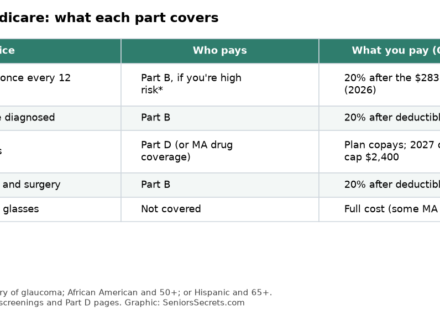
Glaucoma After 60: Warning Signs, Who’s at Risk, Treatments and What Medicare Covers (2026)
Glaucoma steals side vision so slowly that most people don't notice until damage is done. Here's who's at high risk, the emergency symptoms you can't ignore, how drops, laser and surgery compare, and how Medicare's yearly glaucoma screening works.

Edema in Seniors: Why Legs and Feet Swell, and When It’s Serious
Swollen ankles are common after 65, but one-sided or sudden swelling can signal a clot, heart failure, or a medication side effect. Here's how to read the signs, what actually helps, and when Medicare covers compression.

Rheumatoid Arthritis in Seniors 2026: 9 Treatments Doctors Use Now
Rheumatoid arthritis (RA) in older adults is not simply an exaggerated version of the same disease seen in younger patients. Elderly-onset RA—defined as RA beginning at age 60 or older—has distinct clinical features, requires different treatment…

Osteoporosis Medications 2026: Which Treatment Is Right for Seniors?
If you have been diagnosed with osteoporosis, choosing the right medication in 2026 is one of the most important decisions you and your doctor will make. With six distinct drug classes now available—each working through different mechanisms, with…

Low Testosterone in Senior Men 2026: 9 Warning Signs & TRT Treatment Guide
Low testosterone affects an estimated 30 to 40 percent of men over age 70 — yet the majority are never diagnosed or treated. Testosterone levels in men decline approximately 1 to 2 percent per year after age 30, and by age 70, many men have 30 to 50…

Psoriasis in Seniors 2026: Symptoms, Triggers & Best Treatments
Psoriasis in seniors presents clinical challenges that are categorically different from psoriasis in younger adults. Late-onset psoriasis — defined as first presentation after age 60 — accounts for approximately 25–30% of all psoriasis cases and is…

Polypharmacy in Seniors 2026: When 5+ Medications Become Dangerous
Polypharmacy in seniors — defined as the concurrent use of five or more prescription medications — affects an estimated 42% of adults over age 65 in the United States. Take the threshold to 10 or more medications (hyperpolypharmacy), and approximately…
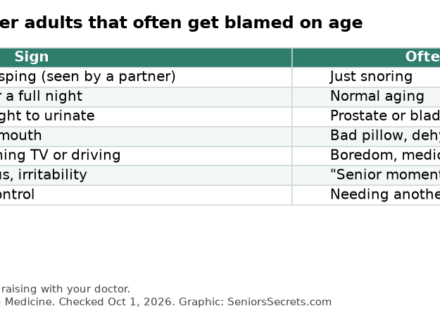
Sleep Apnea in Older Adults: 7 Warning Signs, How It’s Tested and Treatment Options Beyond CPAP
In older adults, sleep apnea often shows up as night-time bathroom trips, morning headaches or memory lapses rather than loud snoring. Here are the warning signs, how testing works, and the treatment options from CPAP to oral appliances, Zepbound and…