Dementia Prevention in 2026: The 14 Risk Factors You Can Change and What the Trials Show
You can’t control your age or genes, but you can lower your dementia risk. A 2024 report from the Lancet Commission, a large group of dementia experts, named 14 risk factors people can change. Together, they found that about 45% of dementia cases could, in theory, be prevented or delayed (Lancet, PubMed 39096926).
That doesn’t mean any one step guarantees you won’t get dementia. It means the odds can shift. And it’s never too late to start.
The 14 risk factors
The 2024 report added two new factors to its earlier list: high LDL cholesterol and untreated vision loss.
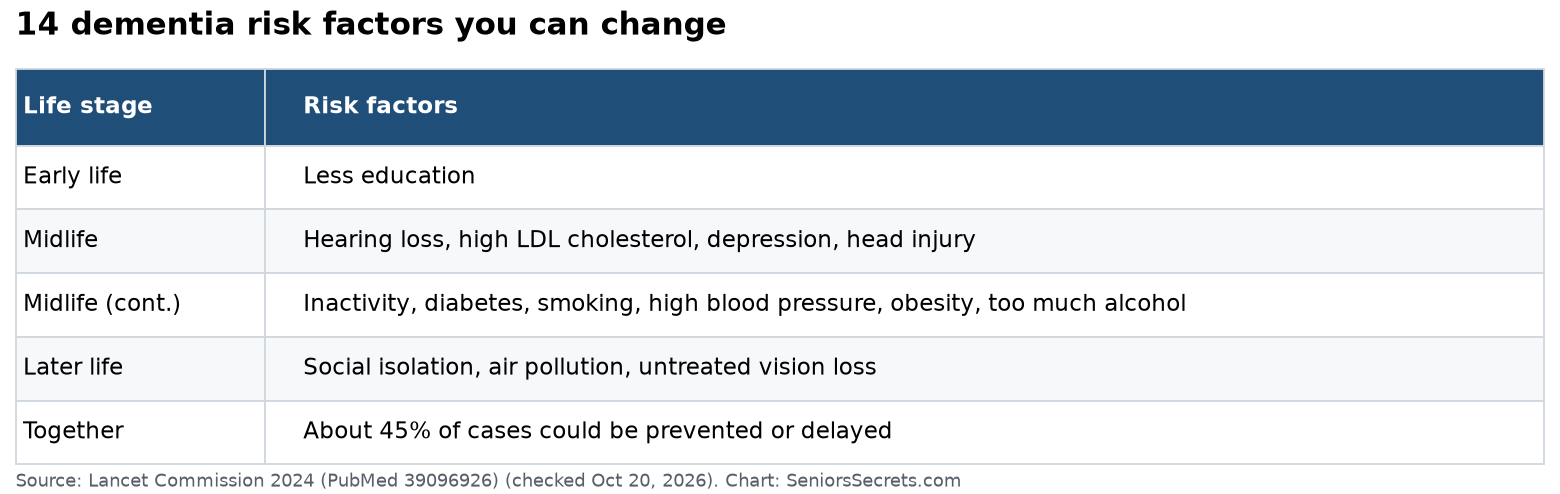
Early life:
- Less education
Midlife:
- Hearing loss
- High LDL cholesterol
- Depression
- Traumatic brain injury (head injury)
- Physical inactivity
- Diabetes
- Smoking
- High blood pressure
- Obesity
- Drinking too much alcohol
Later life:
- Social isolation
- Air pollution
- Untreated vision loss
The life stages show when each factor seems to matter most. But the report’s message is that changing them later in life can still help.
What the trials show, honestly
Big studies link these factors to dementia. But do changes actually prevent it? Here’s what two important US trials found.
Hearing aids: the ACHIEVE trial
This trial enrolled 977 adults aged 70 to 84 with untreated hearing loss. Half got hearing aids and counseling. Half got health education. After 3 years, hearing aids did not slow thinking decline in the group as a whole (Lancet, PubMed 37478886).
But there was a twist. In the people who were at higher risk to begin with, the hearing aid group seemed to decline more slowly. So hearing aids may help most for people with more risk factors. Either way, hearing better makes daily life and conversation easier. Our Medicare hearing coverage guide compares options.
Lifestyle program: US POINTER
This trial enrolled 2,111 adults aged 60 to 79 who were at higher risk of memory problems. All of them were inactive and ate a less healthy diet. Everyone was encouraged to exercise, eat better, do brain challenges, stay social and check heart health. One group got a structured program with more meetings, more coaching and more accountability. The other group did it on their own (JAMA, PubMed 40720610).
After 2 years, thinking scores rose in both groups. The structured group improved slightly more. The difference was small, but it supports the idea that more support and accountability help.
My take: neither trial proves you can stop dementia. But both suggest that working on several risk factors at once, with support, is worth it. And these same steps protect your heart, too.
Brain training: the ACTIVE study
ACTIVE put older adults into speed, memory or reasoning training, about 10 sessions over 5 to 6 weeks, or no training. In 2026, researchers matched 2,021 of them to 20 years of Medicare claims. People who did speed training plus at least one booster had about a 25% lower risk of a dementia diagnosis. Speed training without a booster, memory training and reasoning training showed no effect (PubMed 41669119).
Speed training means screen tasks where you spot things faster and faster. The National Institute on Aging says there isn’t enough proof that paid brain apps match it. If you enjoy a speed game, play it a few times a week, but don’t let it replace walking and seeing people. Learning a new, hard skill, like an instrument or a language, is another good workout.
Steps you can take, by factor
Blood pressure. High blood pressure damages small blood vessels in the brain. Check it at home and work with your doctor on a target. Our high blood pressure guide covers current goals.
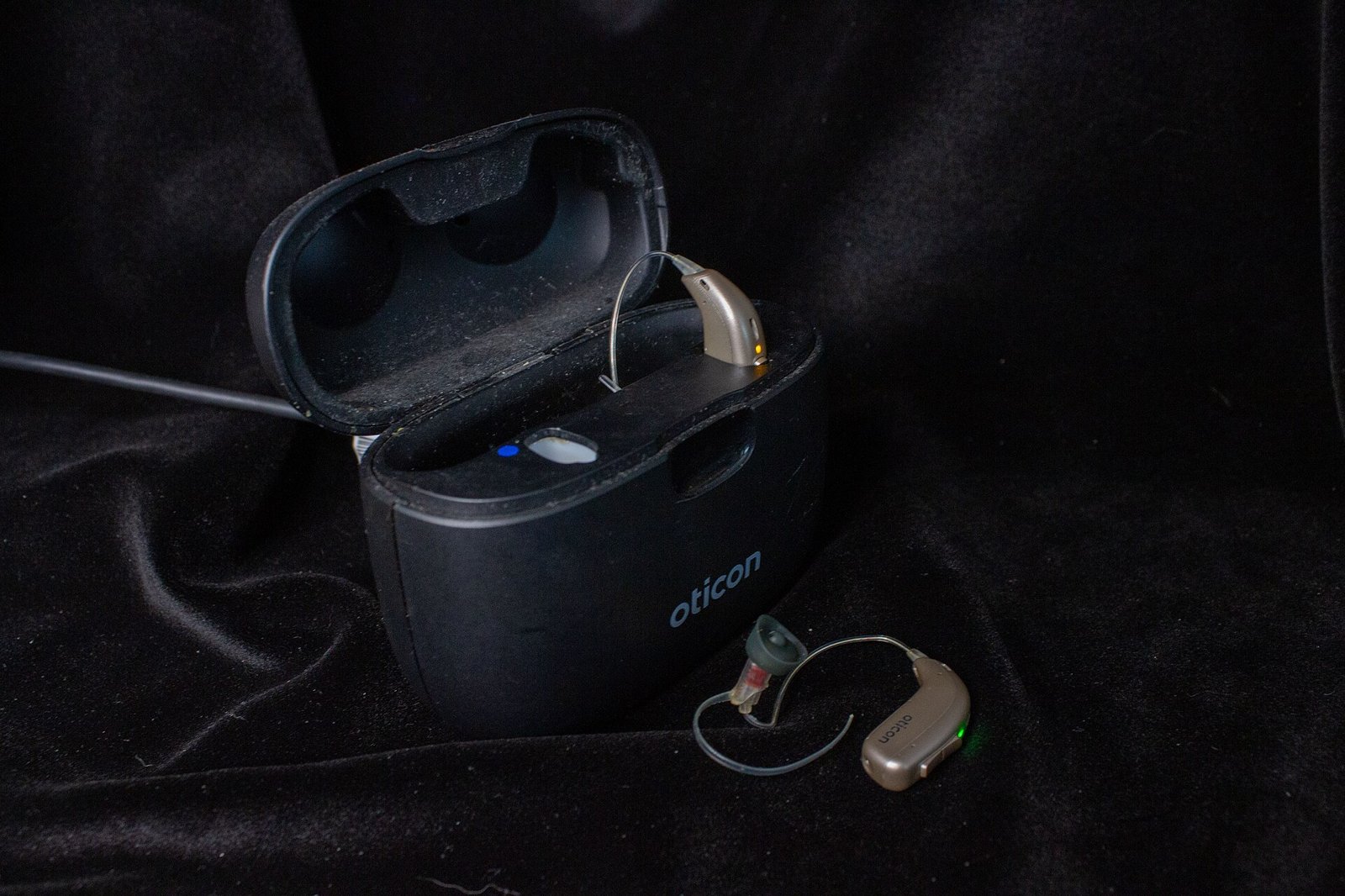
Hearing. Get your hearing tested. Wear your hearing aids every day if you have them. Over-the-counter hearing aids cost less than prescription ones for mild to moderate loss.
Vision. Get regular eye exams. Cataract surgery and the right glasses can fix many vision problems.
Cholesterol. Ask your doctor about your LDL number and whether treatment makes sense for you.
Activity. The CDC advises 150 minutes a week of moderate activity for adults 65 and older, plus strength and balance work.
Diabetes. Keep your blood sugar in the range your doctor sets.
Smoking and alcohol. Quitting smoking helps at any age. Drink less, or not at all.
Depression. Depression is treatable. Tell your doctor if you’ve felt down or lost interest in things for more than 2 weeks.
Social life. Join a club, class, faith group or volunteer program. Regular contact with others matters. Bridge, chess and classes mix brain work with social time.
Head injury. Prevent falls and wear a seat belt. Wear a helmet when you bike.
Air pollution. On bad air days, limit time outdoors and keep windows closed.
What Medicare covers in 2026
- Annual Wellness Visit: $0. It includes a cognitive assessment to look for signs of dementia. You pay nothing if your provider accepts assignment (Medicare.gov). Our wellness visit vs physical guide explains what’s included.
- Separate cognitive assessment and care plan visit. If you or your family notice memory problems, Part B covers a longer visit to review thinking, confirm a diagnosis and build a care plan. You pay 20% after the $283 deductible (Medicare.gov).
- Hearing exams. Part B covers diagnostic hearing and balance exams. You pay 20% after the deductible. You can see an audiologist once every 12 months without an order for certain conditions (Medicare.gov).
- Hearing aids: not covered by Original Medicare. Many Medicare Advantage plans offer some hearing aid coverage.
- Eye exams: routine exams for glasses aren’t covered by Original Medicare. Part B does cover cataract surgery and some eye disease exams.
For 2027, CMS set the Part B deductible at $292 and the premium at $209.40 a month (CMS 2027 fact sheet).
Signs worth checking with a doctor
- Getting lost in a familiar place
- Repeating questions often
- Trouble paying bills or following a recipe
- Personality or mood changes
- Trouble finding words more than before
Before the visit, write down 3 or 4 real examples of what’s changed and when it started. Bring a list of every medicine and supplement you take. If you can, bring a family member or friend. They often notice changes you don’t, and they can help you remember what the doctor said.
Not every memory slip is dementia. Thyroid problems, low vitamin B12, medicine side effects, poor sleep and depression can all affect memory, and many are treatable. If dementia is diagnosed, our guide to new Alzheimer’s treatments explains the newer drugs and who qualifies.
Common questions
Can dementia be prevented?
Not always. But a 2024 expert report estimated about 45% of cases could be prevented or delayed by tackling 14 risk factors.
What are the 14 risk factors for dementia?
Less education, hearing loss, high LDL cholesterol, depression, head injury, inactivity, diabetes, smoking, high blood pressure, obesity, heavy drinking, social isolation, air pollution and untreated vision loss.
Do hearing aids prevent dementia?
The ACHIEVE trial found no benefit overall after 3 years. People at higher risk may have benefited. Hearing aids still improve daily life.
Is it too late to lower my risk after 70?
No. The report says changing risk factors helps at any age. The US POINTER trial included people up to age 79.
Does Medicare cover memory tests?
Yes. The Annual Wellness Visit includes a cognitive assessment at no cost. A separate, longer cognitive visit costs 20% after the Part B deductible.
2027 amounts added Nov 18, 2026 from the CMS 2027 Parts A and B fact sheet.
Written by Khasim Basha Shaik. I research and compare Medicare plans and health topics for readers. I am not a doctor or licensed insurance agent. This article summarizes the Lancet Commission, published trials, CDC and Medicare.gov and is not medical advice. Last reviewed October 20, 2026.
Related guides