
Psoriasis is a long-term immune condition that causes thick, scaly patches on the skin. It affects about 3% of US adults, or more than 7.5 million people (JAMA Dermatology, PubMed 34190957). It is not contagious. It can start at any age, including after 65, and it often comes with other health problems that matter more as you get older.
This guide covers how psoriasis shows up in seniors, the triggers to watch for, treatment options and safety checks, and what Medicare pays in 2026.
What psoriasis looks like
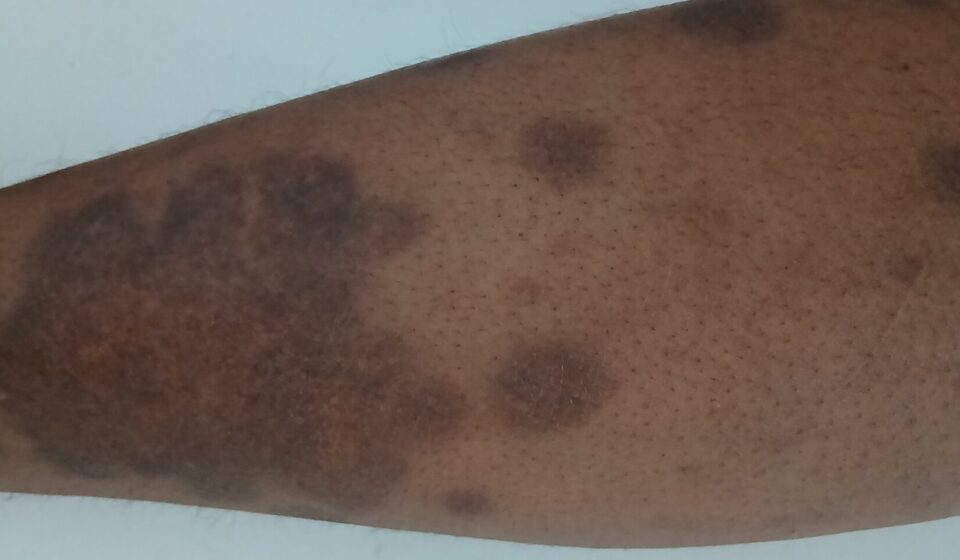
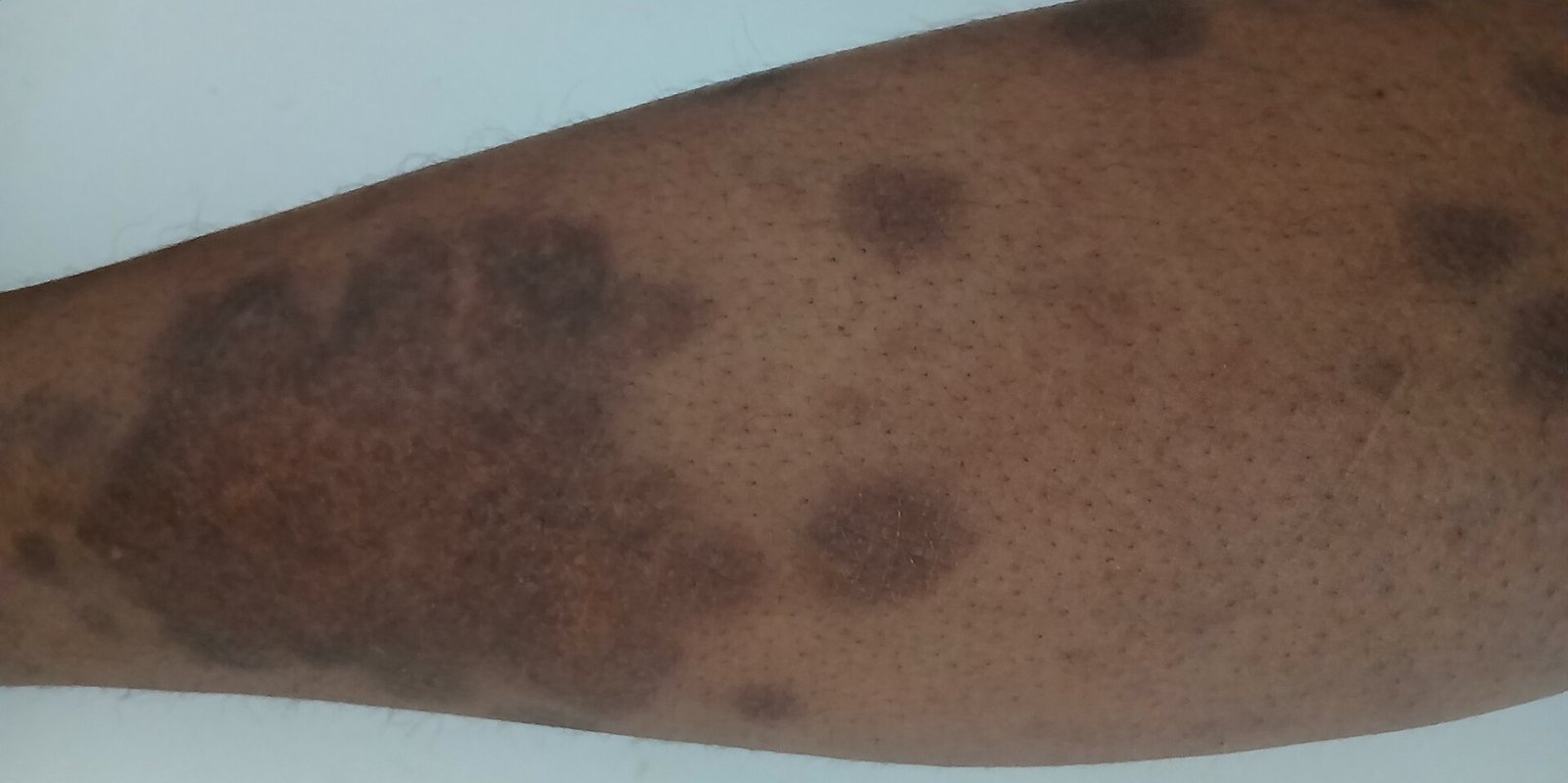
The most common type is plaque psoriasis. It causes raised patches covered with silvery or white scale, often on the scalp, elbows, knees and lower back (NIAMS). On lighter skin, patches look red or pink. On darker skin, they may look purple, gray or dark brown, which can make them harder to spot.
Other signs include:
- Itching, burning or soreness
- Dry, cracked skin that may bleed
- Thick, ridged or pitted nails
- Poor sleep from itching
Other types include inverse psoriasis (smooth, red patches in skin folds, like under the breasts or in the groin), pustular psoriasis (pus-filled bumps, often on hands and feet) and guttate psoriasis (small dots, often after strep throat).
Why psoriasis is different after 65
1. It’s easy to confuse with other skin problems. In older adults, psoriasis can look like eczema, fungal infections or skin changes from poor circulation. Inverse psoriasis in skin folds is often mistaken for a yeast rash. If a “rash” doesn’t clear with the usual cream, ask for a dermatologist.
2. More medicines, more triggers. NIAMS lists certain medicines among the things that raise the chance of psoriasis, including drugs for heart disease, malaria and mental health problems (NIAMS). In everyday terms, that includes some beta blockers, hydroxychloroquine and lithium. Never stop a heart or mood medicine on your own. Ask your doctor whether a switch makes sense.
3. Other conditions travel with psoriasis. People with psoriasis are more likely to have (NIAMS):
- Psoriatic arthritis: joint pain, swelling and stiffness, and pain where tendons attach, like the heel
- Heart attacks and strokes
- Depression and anxiety
- Diabetes, obesity, osteoporosis, and liver and kidney disease
My take: if you have psoriasis, your yearly checkup should include blood pressure, cholesterol and blood sugar. Tell your doctor about any joint pain or morning stiffness. Psoriatic arthritis can damage joints if it isn’t treated early.
Common triggers
- Stress
- Skin injury, like cuts, scrapes or sunburn (new patches can form at the injury)
- Infections, especially strep
- Smoking
- Obesity
- Certain medicines, as above
- Dry winter air
NIAMS notes that avoiding triggers like stress and skin injury can help keep symptoms under control (NIAMS).
Treatment options, from mild to severe
Treatment depends on how much skin is involved, where it is and your other health conditions. NIAMS lists these options (NIAMS):
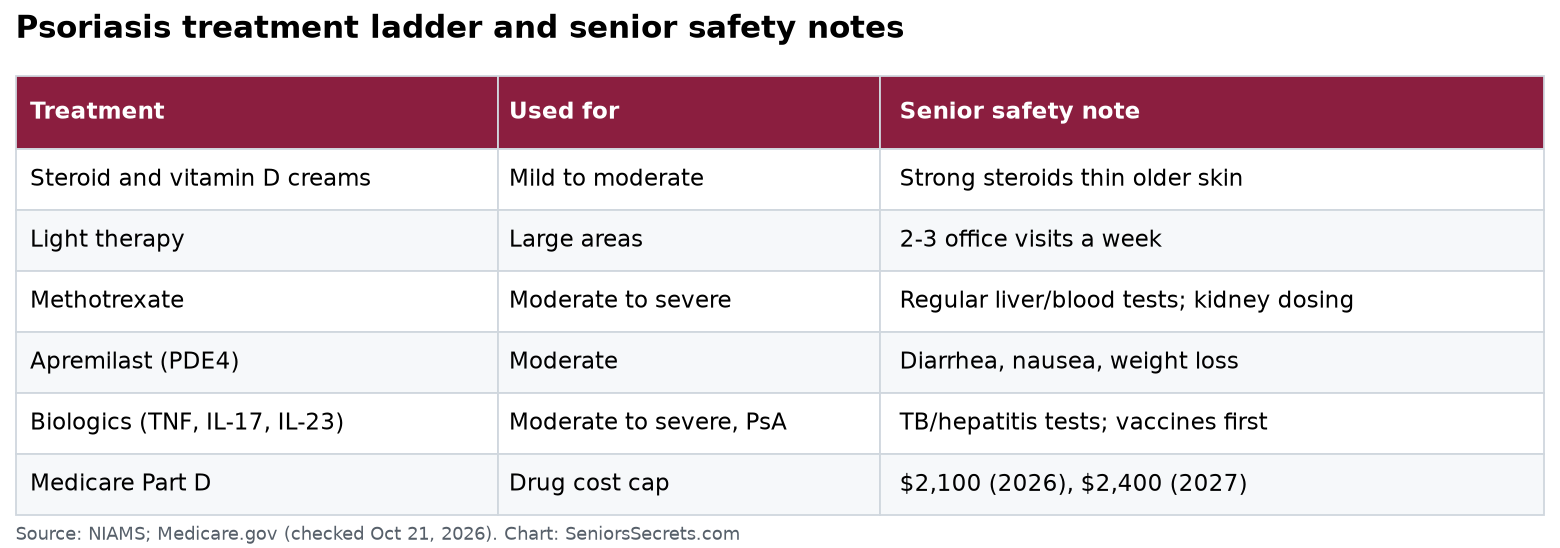
Creams and ointments (mild to moderate). Steroid creams are most common. Others include vitamin D-based creams (like calcipotriene), retinoids, coal tar and newer non-steroid creams. Senior gotcha: older skin is thinner. Strong steroid creams used for a long time can thin it more and cause easy bruising. Ask how long to use each cream and where not to use it (face, skin folds).
Light therapy (phototherapy). A doctor shines ultraviolet light on your skin in the office, usually 2 to 3 times a week. Home units are also available. It’s often used when large areas are affected.
Pills.
- Methotrexate: an older, low-cost drug. It needs regular blood tests for liver and blood counts, and the dose may need to be lower if your kidneys are weaker.
- PDE4 inhibitors like apremilast: no routine lab tests, but can cause diarrhea, nausea and weight loss.
- TYK2 inhibitors like deucravacitinib: a newer pill option.
Biologics (injections). These block specific immune signals and work well for moderate to severe psoriasis and psoriatic arthritis. Types include TNF blockers, IL-17 blockers and IL-23 blockers. Before starting, expect a test for tuberculosis and hepatitis. Ask about getting your vaccines up to date first, because biologics can raise infection risk. Our rheumatoid arthritis guide covers similar safety checks.
Self-care that helps
- Moisturize daily with a thick, fragrance-free cream or ointment, especially after bathing.
- Take short, lukewarm baths or showers. Hot water dries skin.
- Use a humidifier in winter.
- Quit smoking and limit alcohol.
- Protect your skin from cuts and sunburn.
- Manage stress with exercise, sleep and support. Our anxiety guide has drug-free ideas.
What Medicare covers in 2026
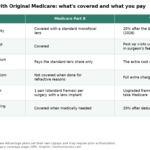
- Dermatologist visits under Part B: 20% of the Medicare-approved amount after the $283 deductible.
- Phototherapy in a doctor’s office: generally billed under Part B, so the same 20% applies after the deductible.
- Prescription creams, pills and self-injected biologics are covered under Part D. Biologics are usually on a high tier and may need prior authorization (your doctor asks the plan to approve it first). The good news: Part D out-of-pocket costs are capped at $2,100 in 2026 and $2,400 in 2027.
- Spread the cost: the Medicare Prescription Payment Plan lets you pay your Part D costs in monthly amounts instead of all at once. See our Prescription Payment Plan guide.
- Low income? Extra Help can cut drug copays to a few dollars.
Open Enrollment tip: from Oct 15 to Dec 7, 2026, check that your biologic is on your plan’s 2027 drug list and look at its tier and prior authorization rules. CMS hasn’t posted 2027 Part B costs yet. We’ll update this page when it does.
Common questions
Can psoriasis start after age 60?
Yes. Psoriasis can begin at any age. New patches in older adults should be checked, since they can look like eczema or fungal rashes.
Is psoriasis contagious?
No. You can’t catch psoriasis or pass it to others by touch.
What medicines can trigger psoriasis?
NIAMS lists some drugs for heart disease, malaria and mental health problems. Examples include some beta blockers, hydroxychloroquine and lithium.
Are biologics safe for seniors?
They can be, with checks. You’ll be tested for tuberculosis and hepatitis first, and your vaccines should be up to date because infection risk can rise.
Does Medicare cover psoriasis biologics?
Yes, under Part D, usually with prior authorization. Your out-of-pocket drug costs are capped at $2,100 in 2026 and $2,400 in 2027.
Written by Khasim Basha Shaik. I research and compare Medicare plans and health topics for readers. I am not a doctor or licensed insurance agent. This article summarizes NIAMS, Medicare.gov and published research and is not medical advice. Last reviewed October 21, 2026.
Related guides