Best Multivitamins for Seniors in 2026: What the Research Says and How to Choose One
For most healthy older adults, a basic once-a-day “50+” multivitamin is a cheap safety net, not a cure. Large studies show it does not help people live longer or prevent heart disease. It may help memory a little after 60, and it helps people who eat poorly, eat very little, or cannot absorb vitamin B12 well.
I get asked about multivitamins more than almost any other supplement. The honest answer is less exciting than the ads, but it can save you money and keep you safe. This guide uses the NIH multivitamin fact sheet, the Dietary Guidelines for Americans 2025 to 2030 released in January 2026, and recent trials, all checked on October 15, 2026.
I research nutrition evidence for readers. I am not a doctor, dietitian or pharmacist. Ask your own clinician before you start a supplement.
What the best research shows
| Question | What studies found |
|---|---|
| Live longer? | No. A 2024 NIH study of about 390,000 healthy adults followed for over 20 years found no lower risk of death. |
| Prevent heart attack or stroke? | Little or no effect in most trials. |
| Prevent cancer? | Unclear. One trial in male doctors 50+ saw a slight drop in cancer, others did not. |
| Help memory after 60? | Possibly. COSMOS trials found small gains in memory and thinking. |
| Fill nutrient gaps? | Yes. Most useful for people who eat little or avoid food groups. |

The memory finding comes from the COSMOS studies. A 2024 analysis in the American Journal of Clinical Nutrition found older adults taking a daily multivitamin did a bit better on memory tests than those on placebo. The 2024 NIH mortality study in JAMA Network Open found no survival benefit. Both can be true. A multi may help a little with one thing and not with another.
Nutrients that matter more after 60
The 2025 to 2030 Dietary Guidelines say some older adults need fewer calories but the same or more protein, vitamin B12, vitamin D and calcium. Food comes first. Supplements may help when diet or absorption falls short.
- Vitamin B12. After 50, many people absorb less B12 from food. NIH advises getting B12 from fortified foods or supplements. Acid-lowering drugs and metformin can lower B12 too. See our vitamin B12 deficiency guide.
- Vitamin D. Older skin makes less vitamin D from sunlight. Our vitamin D guide for seniors covers amounts and testing.
- Calcium. Most multis have only a little calcium because it takes up a lot of room. Dairy, fortified foods or a separate supplement fill the gap.
- Iron. Most older adults, especially women after menopause, need less iron. NIH notes “senior” or “50+” formulas usually have more calcium, vitamin D and B12 and less iron.
What to avoid
- Mega-doses. More is not better. Extra vitamin A, zinc, niacin, iron and folic acid can build up, especially if you also eat fortified cereals.
- Large beta-carotene or vitamin A doses if you smoke or used to. NIH warns these may raise lung cancer risk.
- Vitamin K surprises with warfarin. If you take warfarin, talk to your doctor before any multi with vitamin K. It can change how the drug works.
- “Proprietary blends” and herbs. Products sold for “energy” or “immunity” often add herbs that can interact with medicines.
- Gummies as your only source. Many have fewer nutrients and added sugar.
A 2026 label checklist
Turn the bottle around and check:
- %DV near 100 for most vitamins. Not 1,000% or more.
- Iron: low or none, unless your doctor says you need it.
- B12: at least 100% DV. Many senior formulas have much more, which is generally considered safe.
- Vitamin D: 15 to 25 mcg (600 to 1,000 IU) is common.
- Vitamin A: some or all as beta-carotene, at a modest dose.
- Third-party seal: USP Verified, NSF or ConsumerLab. These check that the pill contains what the label says.
- One tablet a day. Easier to remember and usually cheaper.
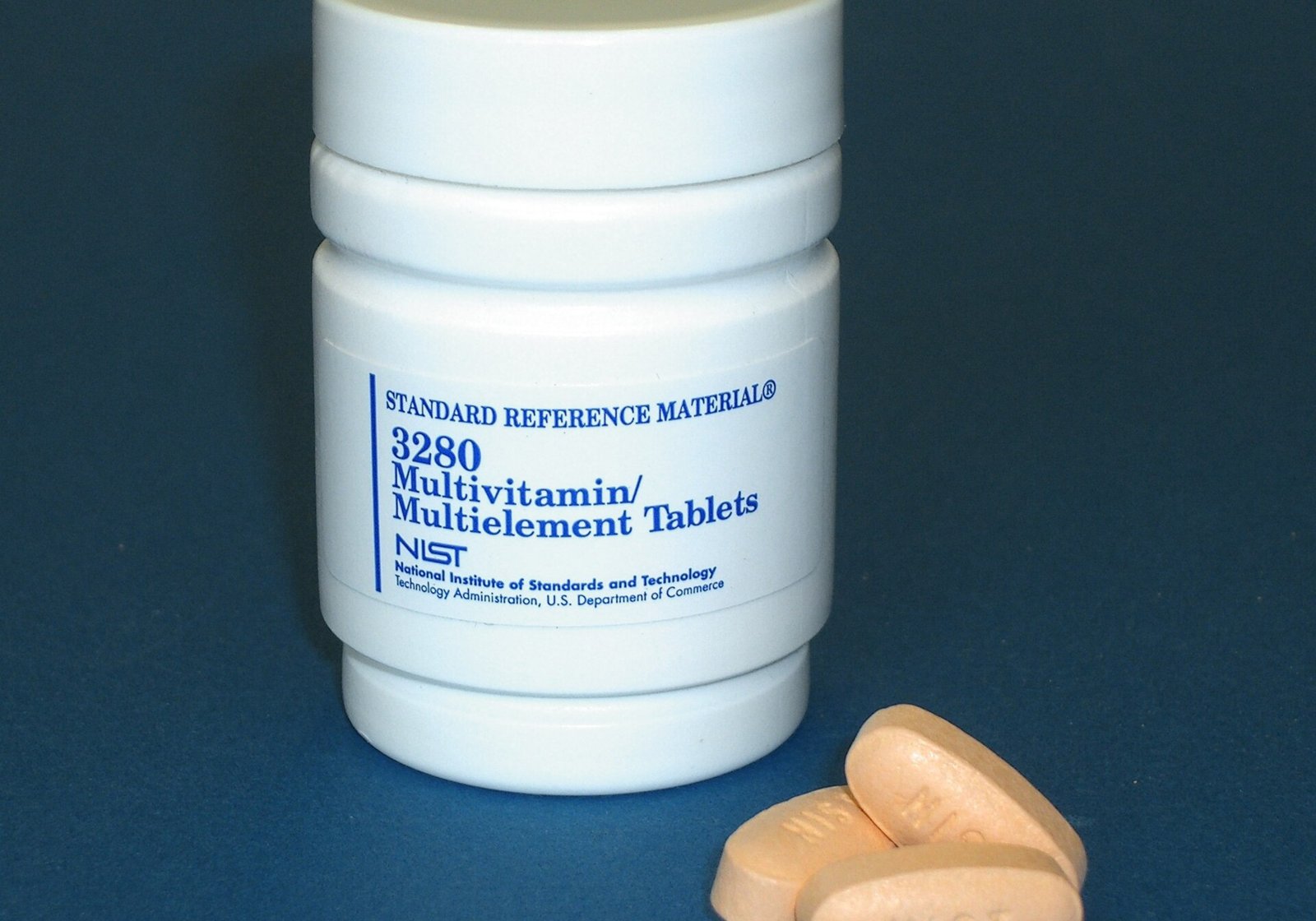
You do not need a brand name. Store brands with a USP seal often match pricier bottles. Expect to pay a few cents a day.
Who may benefit most
- People who eat fewer than about 1,600 calories a day or skip meals
- People with poor appetite, chewing problems or after a long illness
- Vegans and strict vegetarians, who need B12
- People on medicines that lower B12, such as metformin
- People with absorption problems after stomach surgery
Even then, a targeted supplement, like B12 alone, may be better than a full multi. A simple blood test can show what you actually lack.
Questions to ask at your next checkup
Bring these to your doctor or pharmacist:
- “Based on my blood work, am I low in B12, vitamin D or anything else?”
- “Do any of my medicines lower a vitamin or interact with one?”
- “Should I take a full multivitamin, or just one or two nutrients?”
- “Is the iron in this product right for me?”
- “How often should we recheck my levels?”
Write the answers on the bottle or in your phone. Many people take a multi, a separate vitamin D and a calcium chew, and end up doubling some nutrients without knowing it. A five-minute review can fix that.
How to take it
- Take it with a meal to reduce stomach upset and help absorb fat-soluble vitamins.
- Keep it two hours apart from thyroid pills, some antibiotics and osteoporosis drugs, since minerals can block absorption.
- Bring the bottle to your next checkup so your doctor can see the full list.
For more on protein and food-first nutrition, read our protein needs guide and omega-3 guide.
A multivitamin is a backup, not a fix. If you are low in a nutrient like B12 or vitamin D, your doctor may suggest a single supplement at the right dose instead.
Common questions
Do seniors need to take a multivitamin?
Not always. Healthy eaters may not need one. People who eat little, avoid food groups or absorb B12 poorly may benefit.
Will a multivitamin help me live longer?
A 2024 NIH study of about 390,000 adults found no lower risk of death among daily multivitamin users.
Can a multivitamin improve memory?
COSMOS trials found small memory gains in adults 60 and older. The effect was modest.
What should a senior multivitamin have less of?
Iron. Most older adults need less iron, so 50+ formulas usually contain little or none.
Are gummy vitamins as good as tablets?
Often not. Many gummies have fewer nutrients and added sugar. Check the label.
Written by Khasim Basha Shaik. I research nutrition and supplement evidence for readers. I am not a doctor, dietitian or pharmacist. This article summarizes NIH, USDA and published research and is not medical advice. Last reviewed October 15, 2026.