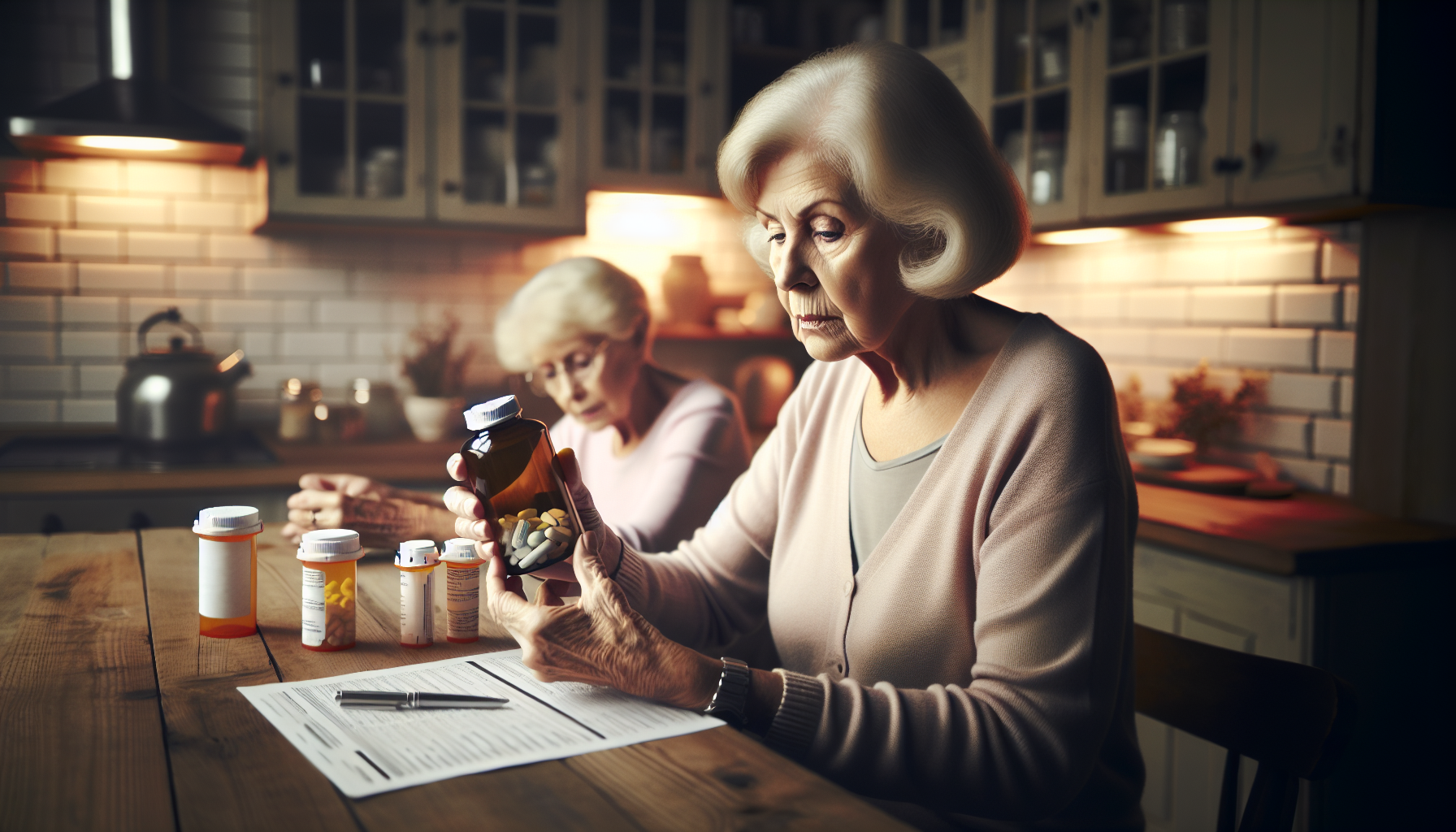

Every year, nearly 125,000 Americans die from adverse drug reactions — and older adults account for a disproportionate share. If you’re a senior taking five or more medications (which more than 4 in 10 Americans over 65 now do), you are in what doctors call the “polypharmacy zone” — a territory where dangerous drug interactions for seniors become a genuine, life-threatening risk. As a senior health expert, I want to give you the information, tools, and specific knowledge to protect yourself and your loved ones.
Why Dangerous Drug Interactions Are More Common in Seniors
Drug interactions don’t discriminate by age — but their consequences are far more serious in older adults for three interconnected biological reasons:
1. Slower Drug Metabolism
As we age, liver function declines, reducing the speed at which drugs are broken down and cleared from the body. A medication that was safely metabolized in 4 hours at age 45 may linger for 8–12 hours at age 75. This means drugs accumulate to higher concentrations in the bloodstream, amplifying both their effects and their interactions with other drugs.
2. Reduced Kidney Function
Most drugs are ultimately cleared through the kidneys. Kidney function declines an average of 1% per year after age 40. Many seniors have significantly reduced kidney function without knowing it, because standard blood tests don’t catch early-stage decline. Drugs that are renally cleared — including many antibiotics, diabetes medications, and pain relievers — build up to toxic levels faster in seniors.
3. Increased Sensitivity
Older brains and bodies are simply more sensitive to many drug effects. Sedating medications produce far more cognitive impairment and fall risk in a 78-year-old than in a 45-year-old at the same dose. Blood pressure medications can cause dangerous drops upon standing (orthostatic hypotension). Blood thinners’ effects are amplified, increasing bleeding risk significantly.
The Most Dangerous Drug Combinations Seniors Must Avoid
According to the NIH’s StatPearls on Polypharmacy and clinical pharmacology research, here are the high-risk drug combinations most commonly encountered in senior care:
| Drug Combination | Risk Level | What Can Happen |
|---|---|---|
| Warfarin + NSAIDs (ibuprofen, naproxen) | CRITICAL | Severe gastrointestinal bleeding, stroke risk |
| Blood pressure meds + Diuretics | HIGH | Dangerous blood pressure drop, fainting, falls |
| Benzodiazepines + Opioids | CRITICAL | Respiratory depression, overdose death |
| SSRIs + Tramadol | HIGH | Serotonin syndrome (potentially fatal) |
| Metformin + Contrast dye (CT scans) | HIGH | Acute kidney failure |
| ACE inhibitors + Potassium supplements | HIGH | Dangerously high potassium, cardiac arrest |
| Statins + Clarithromycin (antibiotic) | MODERATE-HIGH | Myopathy, rhabdomyolysis (muscle breakdown) |
| Digoxin + Amiodarone | HIGH | Digoxin toxicity — nausea, arrhythmia |
| Anticholinergics + Multiple sedatives | HIGH | Confusion, delirium, falls, urinary retention |
| Blood thinners + Vitamin K supplements | MODERATE | Reduced anticoagulation effectiveness, clot risk |
The Beers Criteria: Your Medication Safety Guide
The American Geriatrics Society publishes the Beers Criteria — a regularly updated list of medications that are potentially inappropriate for older adults. This list is used by pharmacists, physicians, and nurses as a safety checklist for senior patients. Medications on the Beers Criteria include:
- First-generation antihistamines (diphenhydramine/Benadryl) — cause confusion, falls, urinary retention
- Benzodiazepines (Xanax, Valium, Ativan) — fall risk, cognitive impairment, dependency
- Muscle relaxants (carisoprodol, cyclobenzaprine) — excessive sedation, falls
- Certain antipsychotics — increased mortality in elderly with dementia
- Long-acting sulfonylureas (glibenclamide) — severe prolonged hypoglycemia
- NSAIDs — GI bleeding, kidney damage, blood pressure destabilization
- Proton pump inhibitors (long-term) — increased infection risk, B12 and magnesium depletion
You have the right to ask your doctor whether any of your current medications appear on the Beers Criteria, and whether safer alternatives exist.
Warning Signs of a Dangerous Drug Interaction
Call your doctor immediately or go to the emergency room if you or a loved one experiences any of the following after a medication change:
- Sudden confusion, disorientation, or agitation (delirium)
- Unusual dizziness or fainting, especially when standing
- Heart palpitations or irregular heartbeat
- Unexplained bleeding — gums, stool (dark/black), urine
- Extreme muscle pain or weakness (possible rhabdomyolysis)
- Difficulty breathing or extreme sedation
- Rapid changes in kidney function (decreased urination, swelling)
5 Practical Steps Seniors Should Take to Stay Safe
- Create a Complete Medication List. Keep a current, written list of every medication you take — including over-the-counter drugs, vitamins, supplements, and herbal remedies. Many dangerous interactions involve OTC products seniors don’t think to mention to their doctors. Bring this list to every appointment.
- Use One Pharmacy. Using a single pharmacy allows the pharmacist to run drug interaction checks across your entire medication profile. This is one of the most effective and underused safety tools available.
- Request a Medication Review. Ask your primary care doctor for an annual “medication reconciliation” appointment — a dedicated review of all your medications to identify unnecessary drugs, dangerous combinations, or doses that should be adjusted.
- Ask About Deprescribing. Many seniors are on medications started years ago that may no longer be necessary. The growing field of “deprescribing” actively looks for opportunities to safely eliminate medications. Don’t assume every drug prescribed must be taken forever.
- Never Start a New OTC Drug Without Checking. Common over-the-counter products — ibuprofen, naproxen, antacids, antihistamines, decongestants — have significant interaction potential with common prescription drugs. Before starting any new OTC product, call your pharmacist and ask: “Is this safe with my other medications?”
April 2026: Doctors Sound the Alarm on Polypharmacy
In April 2026, multiple medical publications issued fresh warnings about polypharmacy risks for seniors. Doctors are increasingly alarmed at the number of seniors taking 10 or more medications simultaneously, with some patients visiting multiple specialists who are each prescribing without full visibility into the patient’s overall medication burden. A 2026 guide from Indiana Wesleyan University emphasized that healthcare providers must actively engage in medication reviews and deprescribing conversations with elderly patients. The consensus is clear: fewer medications, carefully chosen and regularly reviewed, produce better outcomes than medication lists that grow unchecked.
The Bottom Line
Dangerous drug interactions for seniors are not rare edge cases — they are a widespread, underappreciated threat that hospitalizes hundreds of thousands of older Americans every year. The good news is that most of these harms are preventable with vigilance, communication, and the right systems. Maintain a complete medication list, use one pharmacy, request annual medication reviews, and never start a new drug — including OTC products — without checking for interactions first. Your safety depends on being an informed, proactive participant in your own care.
Sources
- NIH StatPearls: Polypharmacy
- SavingAdvice: Doctors Warn Millions of Seniors Are Taking Too Many Pills (2026)
- Indiana Wesleyan University: Supporting Safe Medications for Seniors (2026)
Related Articles You May Find Helpful
- Medicare Part D’s $2,100 Drug Cap in 2026: How Seniors Save Thousands
- Free Medicare Preventive Screenings 2026: Complete Senior Guide
- 7 Government Benefits Seniors Are Missing in 2026
- New $6,000 Senior Bonus Tax Deduction: Claim Your 2026 Tax Break
- Aging in Place in 2026: Smart Tech Helping Seniors Stay Home Safely