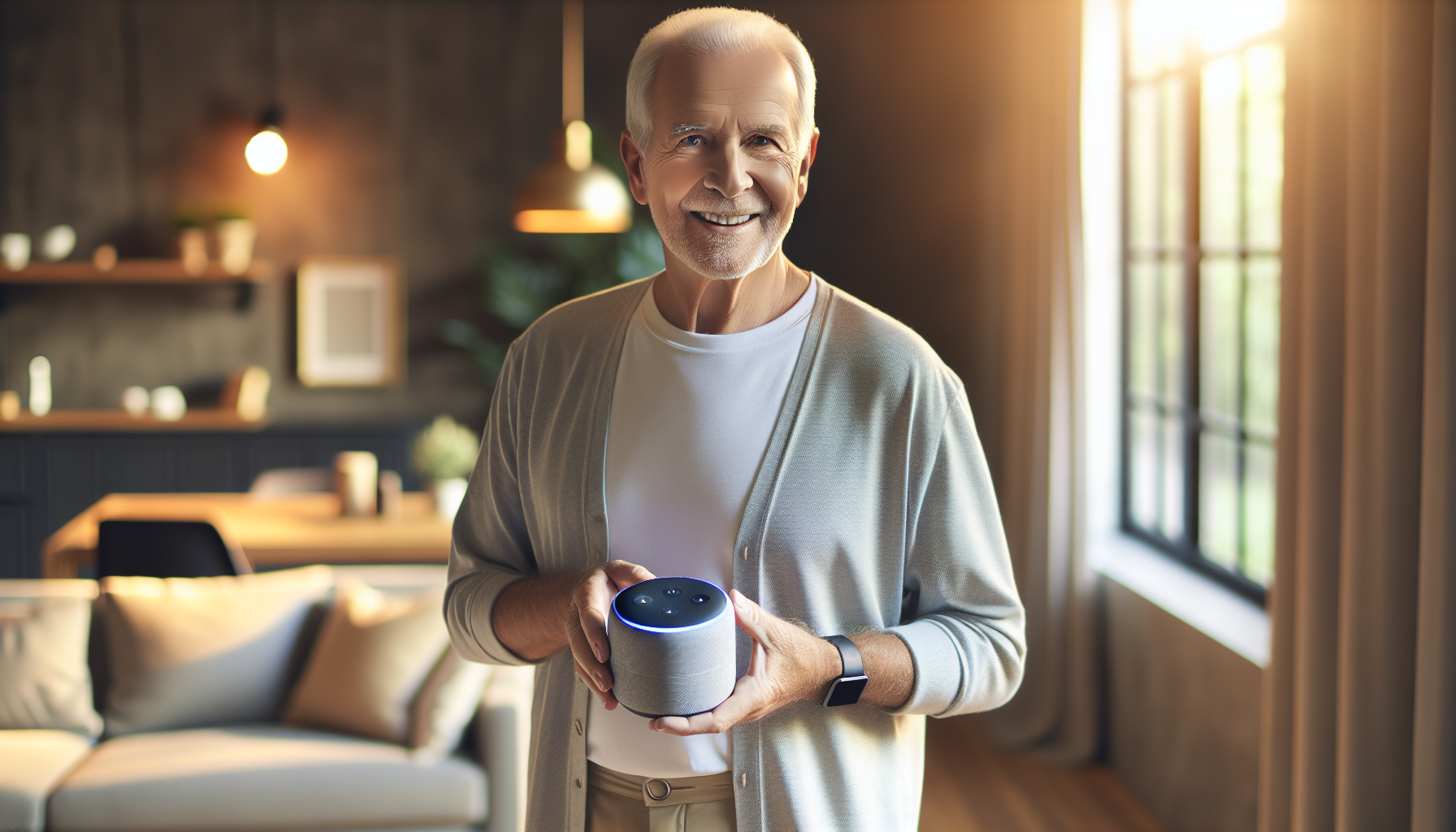

The vast majority of older Americans — over 90% according to AARP — want to remain in their own homes as they age. But the gap between that desire and actual safety at home has historically been wide. In 2026, that gap is closing fast. A new generation of aging in place technology is making it genuinely possible for seniors to live independently longer, safer, and with far greater peace of mind for both themselves and their families. This is what’s available now — and what every senior and caregiver should know about.
Why Aging in Place Is the Fastest Growing Trend in Senior Wellness
The Global Wellness Institute identifies aging in place as one of the top senior wellness trends of 2026, noting that it has transformed from a passive preference into an active, technology-supported lifestyle strategy. With the cost of assisted living facilities averaging $54,000 per year and memory care reaching $100,000+ annually, staying home isn’t just an emotional preference — it’s often the smartest financial decision a senior can make.
The challenge has always been safety. Falls are the leading cause of injury-related death among adults 65 and older, with 36 million falls occurring among older adults each year according to the CDC. Medication errors, medical emergencies, and social isolation compound the risks. Smart technology — now more affordable and user-friendly than ever — is directly addressing each of these threats.
Fall Detection Technology: The Most Critical Tool for Aging in Place
Automatic fall detection is the single most important technology for aging in place safety, and 2026 models are dramatically better than the medical alert systems of a decade ago. Here are the leading options:
- Apple Watch (Series 9 and Ultra) — Includes automatic fall detection that senses a hard fall, checks if you’re okay, and automatically calls emergency services if you’re unresponsive. No monthly fee beyond the watch cost.
- Medical Guardian, Life Alert, Bay Alarm Medical — Wearable pendants or wristbands with 24/7 monitoring centers. Monthly fees range from $20–$45. Some include GPS for falls outside the home.
- Amazon Echo + Alexa Emergency Assist — Voice-activated emergency help available instantly for $5/month added to a Prime membership
- Vayyar Care — A wall-mounted radar sensor (no camera, fully private) that detects falls throughout a room without requiring the senior to wear any device. Ideal for those who refuse to wear a pendant.
Smart Medication Management for Seniors
Medication errors are a leading cause of hospitalization among seniors. Missing doses, taking double doses, or mixing up multiple prescriptions causes real harm. In 2026, several smart medication systems make proper medication management nearly foolproof:
- Hero medication dispenser — Automatically sorts and dispenses the right pills at the right time, with alerts sent to family members if a dose is missed. Subscription-based (~$44/month)
- Amazon’s Alexa Medication Reminder — Free reminders via any Alexa device for seniors who just need a voice prompt
- Livi smart pill dispenser — Connected to a care network that alerts family members or care teams when medications are missed
- Pharmacy blister packs — Many pharmacies now offer pre-sorted medication packaging (often free) for seniors on multiple medications
AI Health Monitoring: Passive and Powerful
The most exciting development in aging in place technology is passive AI health monitoring — systems that track a senior’s health and behavior patterns without requiring them to actively do anything. These systems are particularly valuable for seniors with cognitive impairment or for adult children monitoring a parent from a distance:
- Nobi Smart Lamp — A ceiling lamp with AI that learns normal daily patterns and detects falls, unusual inactivity, or behavioral changes
- CarePredict — A wearable that learns your normal daily patterns (eating, sleeping, bathroom visits) and alerts caregivers to meaningful changes that may indicate illness
- Withings ScanWatch — A watch that tracks heart rate, blood oxygen, sleep quality, and even performs ECG readings, syncing data to a health app family members can monitor
- Google Nest Hub — Includes sleep sensing that tracks breathing patterns and sleep quality without a wearable
Smart Home Modifications That Make Aging in Place Safer
Technology isn’t just wearables and sensors. Smart home modifications can dramatically reduce fall risk and improve daily independence:
| Smart Home Feature | Safety Benefit | Estimated Cost |
|---|---|---|
| Motion-sensor nightlights | Prevent nighttime falls on the way to bathroom | $20–$50 |
| Smart door locks (keypad) | No lost keys; caregivers can enter in emergencies | $100–$250 |
| Video doorbell (Ring, Nest) | Screen visitors without getting up; reduce scam vulnerability | $100–$250 |
| Smart stove shut-off (iGuardStove) | Automatically turns off stove after set time; prevents fires | $200–$400 |
| Voice-controlled smart plugs | Control lamps and appliances by voice; no bending/reaching | $15–$30 |
| Smart thermostat (Nest, Ecobee) | Maintain optimal temperature; family can monitor remotely | $130–$250 |
Does Medicare Cover Aging in Place Technology?
This is one of the most common questions seniors ask — and the answer is evolving. Traditional Medicare (Parts A and B) does not cover most aging in place technology. However:
- Some Medicare Advantage plans (Part C) cover personal emergency response systems (PERS) as a supplemental benefit. Check your plan’s Evidence of Coverage document.
- Medicaid HCBS waivers in many states cover home modifications and assistive technology for eligible low-income seniors
- The Area Agency on Aging in your community may provide free or subsidized home modification services (call 1-800-677-1116 to find your local office)
- VA benefits cover many assistive technologies for eligible veterans
- USDA Rural Development offers grants and loans for home repairs and modifications for rural seniors
How to Get Started with Aging in Place Technology
If you’re thinking about setting up aging in place technology for yourself or a parent, start with these steps:
- Assess the biggest risks first — Falls? Medication errors? Isolation? Match technology to the most urgent needs
- Start simple — A voice-activated smart speaker and a medical alert pendant are low-cost, easy first steps
- Involve the senior in decisions — Technology they choose is technology they’ll actually use
- Consider a home safety assessment — Many Area Agencies on Aging offer free in-home safety assessments conducted by occupational therapists
- Check your Medicare Advantage benefits — You may already be paying for benefits you’re not using
The Future Is Home
Aging in place technology in 2026 is no longer a niche solution for the tech-savvy few. It’s increasingly mainstream, affordable, and effective. Whether it’s a fall-detecting radar sensor, a voice-activated medication reminder, or an AI system that monitors your daily patterns for signs of change, the tools available today give seniors and their families a genuine alternative to institutional care — one that preserves dignity, autonomy, and the comfort of home.
Home is where most of us want to be. In 2026, smart technology is making it where most of us actually can be — safely.
Sources
- Thrive Senior Living — Senior Wellness Trends for 2026
- Global Wellness Institute — Aging Well Initiative Trends 2026
- AARP — Home and Community Preferences Survey
Related Articles You May Find Helpful
- Medicare Part B Premium Hits $202.90 in 2026 — What Every Senior Must Do Now
- Social Security COLA 2026: Your $56 Raise Is Already Being Eaten by Medicare
- Medicare Advantage 2026: Benefits Being Cut That Millions of Seniors Are Losing
- Harvard Study Confirms: Omega-3 + Vitamin D + Exercise Slows Biological Aging in Seniors
- The Silent Health Crisis Killing Seniors: How Loneliness Is as Dangerous as Smoking