Skip to content
Seniors Secrets Seniors Secrets

Secrets Every American 60+ Should Know

Seniors Secrets Seniors Secrets

Secrets Every American 60+ Should Know

  • Medicare
    • Medicare Advantage
    • Benefits & Coverage
    • Drug Savings
    • Free Screenings
    • Appeals
    • Free Medicare Checklist
  • Money & Benefits
  • Health
    • Neuropathy
  • Fitness
  • Nutrition
  • Living
  • About
  • Medicare
    • Medicare Advantage
    • Benefits & Coverage
    • Drug Savings
    • Free Screenings
    • Appeals
    • Free Medicare Checklist
  • Money & Benefits
  • Health
    • Neuropathy
  • Fitness
  • Nutrition
  • Living
  • About
Close

Search

A printed 12-lead electrocardiogram tracing on graph paper
Senior Health

Heart Attack Warning Signs in Women Over 60: What to Call 911 For

Photo of Khasim Basha Shaik
By Khasim Basha Shaik
April 14, 2026 5 Min Read
0
Home » Senior Health » Heart Attack Warning Signs in Women Over 60: What to Call 911 For

Call 911 if you think you might be having a heart attack. For women over 60, that can mean classic chest pressure or less obvious signs: pain in the jaw, neck, back, arm or stomach, shortness of breath, cold sweat, nausea, lightheadedness, or sudden unusual fatigue. The CDC and Office on Women’s Health stress the same message: minutes matter, and women more often describe those “other” symptoms along with, or sometimes instead of, crushing chest pain.

Do not drive yourself. Do not wait for a telehealth slot. Emergency responders can start care on the way to the hospital.

I research senior health topics. I am not a cardiologist or EMS clinician. This page cannot diagnose you.

Table of Contents

Toggle
  • Why women over 60 need a clear checklist
  • Symptoms that should trigger 911
  • What to do while you wait for help
  • Silent or mild presentations
  • After the emergency: prevention levers
  • Risk factors that raise the stakes after 60
  • Heart attack vs stroke: do not guess
  • After the hospital: cardiac rehab and meds
  • Common questions
    • Do women always get jaw pain instead of chest pain?
    • Should I call my doctor’s office first?
    • Can anxiety mimic a heart attack?
    • What if symptoms wake me at night?
    • Does Medicare cover emergency heart care?
  • Related guides

Why women over 60 need a clear checklist

Heart disease remains a leading cause of death for U.S. women (CDC: women and heart disease). Risk rises with age, diabetes, high blood pressure, smoking history, high cholesterol, obesity, early menopause, and pregnancy-related hypertension. After 60, many women also take medications that can mask or confuse symptoms. When in doubt, treat new chest, breathing, or sudden neurologic symptoms as an emergency.
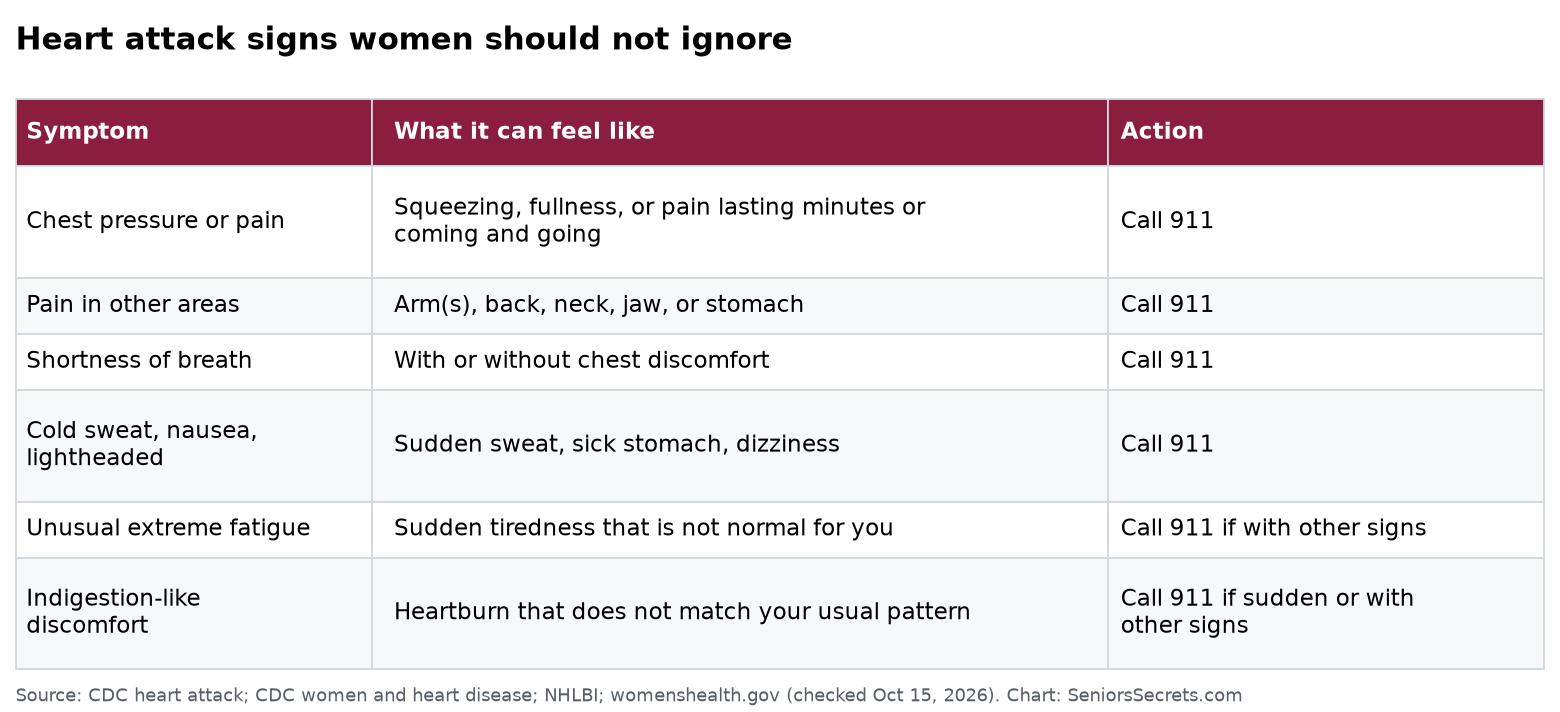
Table of heart attack warning signs for women and when to call 911
Common heart attack signs and the only right first step: call 911. Chart: SeniorsSecrets.com, from CDC, NHLBI and womenshealth.gov.

Symptoms that should trigger 911

Per CDC, NHLBI and womenshealth.gov materials, watch for:

  • Chest discomfort. Pressure, squeezing, fullness, or pain in the center or left chest lasting more than a few minutes, or that goes away and comes back
  • Discomfort in other areas. One or both arms, the back, neck, jaw, or stomach
  • Shortness of breath. With or without chest discomfort
  • Other signs. Breaking out in a cold sweat, nausea or vomiting, lightheadedness
  • Unusual fatigue. Sudden extreme tiredness that is not your normal day

Women may be more likely to report indigestion-like discomfort, jaw or back pain, and fatigue. That does not mean chest pain is rare in women. Many women have both.
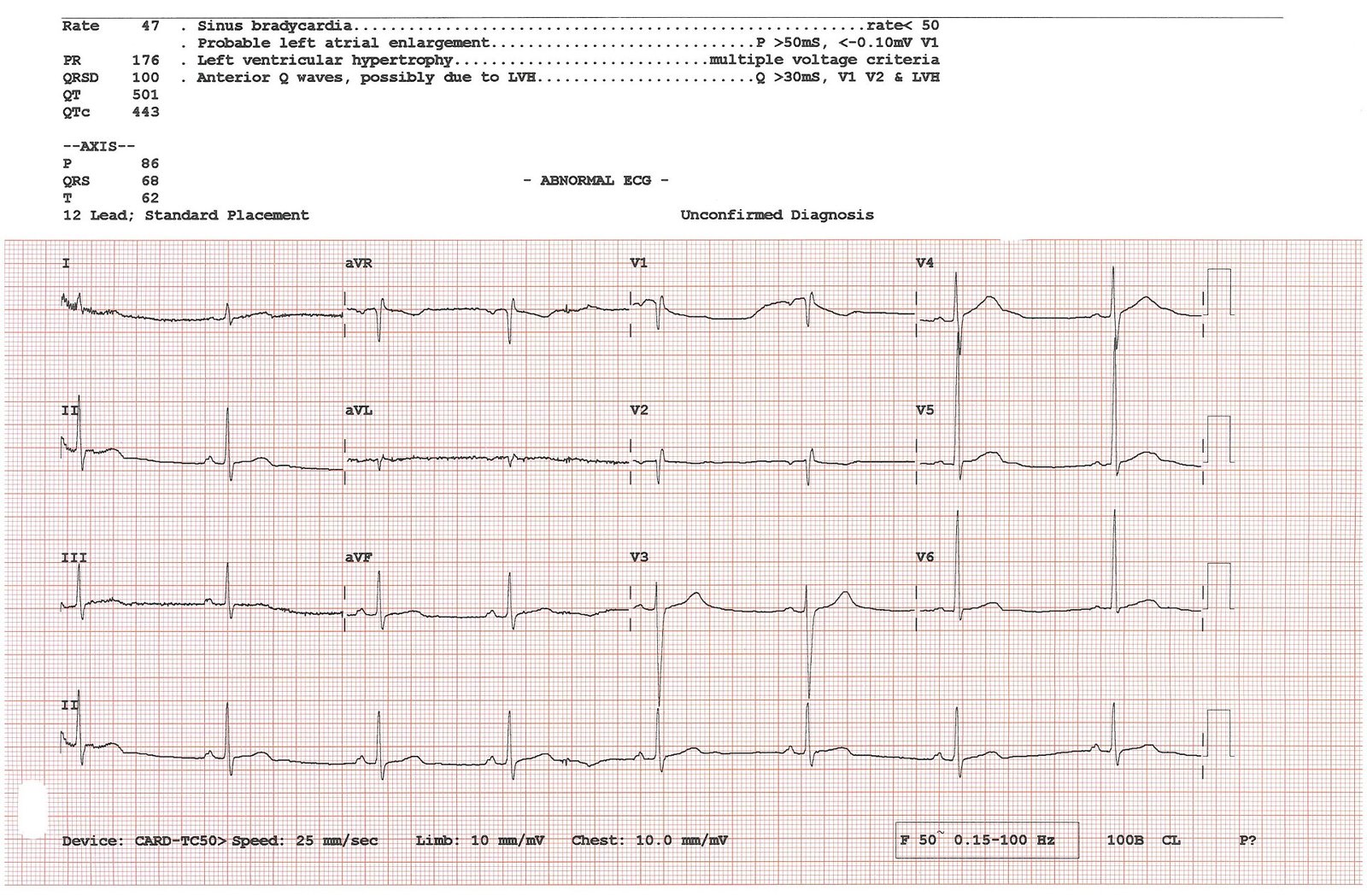
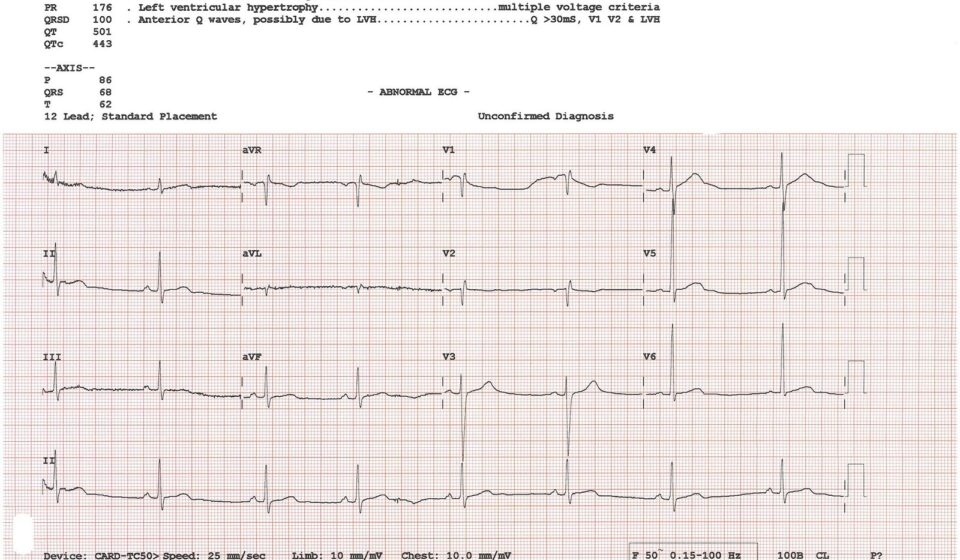
Printout of a 12-lead electrocardiogram
An ECG is one of the first tests in the emergency department for a possible heart attack. Photo: Peter Charlton, CC BY 4.0, via Wikimedia Commons.

What to do while you wait for help

  1. Call 911. Say you may be having a heart attack.
  2. Sit or lie down in a safe place. Open the door latch if you can.
  3. If your doctor previously told you to chew aspirin for this exact situation, follow that personal plan. If you have an active bleeding disorder or were told never to take aspirin, skip it and wait for EMS.
  4. Do not take someone else’s nitroglycerin unless it was prescribed for you with instructions.
  5. If you collapse and become unresponsive, bystanders should start CPR and use an AED if available.

Silent or mild presentations

Some heart attacks, especially in older adults and people with diabetes, show up with mild symptoms or are found later on testing. “Mild” is not the same as “safe.” New shortness of breath at rest, sudden confusion with chest symptoms, or fainting still warrant emergency care. NHLBI’s heart attack symptoms page notes that symptoms can be mild or come and go.

After the emergency: prevention levers

Once you are stable, secondary prevention (for people who already had an event) often includes antiplatelet therapy, blood pressure and cholesterol control, cardiac rehab, and smoking cessation. That is different from starting aspirin for primary prevention at age 60+, which the USPSTF recommends against; see my aspirin for seniors guide.

Practical habits that support heart health after clearance from your clinician include walking programs, stair climbing, and blood-pressure-friendly eating patterns. During Medicare Open Enrollment (October 15 to December 7), confirm your cardiologist and preferred hospital are in network if you use Medicare Advantage (2027 Open Enrollment guide).

Risk factors that raise the stakes after 60

You cannot change your age. You can still act on:

  • High blood pressure and cholesterol (know your numbers)
  • Diabetes and high blood sugar
  • Smoking or recent quitting (risk falls over time after you stop)
  • Physical inactivity
  • Obesity, especially with other risks
  • Family history of early heart disease
  • Prior preeclampsia or gestational diabetes

If you already have coronary disease, a stent, or a prior heart attack, keep nitroglycerin instructions and emergency plans in writing on the fridge. Review them with family caregivers.

Heart attack vs stroke: do not guess

Sudden face droop, arm weakness, or speech trouble is a stroke emergency. Call 911 the same way. Some people have both vascular risks. Fast action helps either condition. Do not take a “wait and see” nap.

After the hospital: cardiac rehab and meds

If tests confirm a heart attack or serious artery disease, ask about cardiac rehab. Supervised exercise and education cut repeat events for many people. Bring a current medication list to every visit. Statins, blood-pressure drugs and antiplatelet medicines only help if you can take them as prescribed. If cost is the barrier, ask the hospital social worker or your Part D plan about lower-tier options before Open Enrollment ends on December 7.

Tell close family where you keep your medication list and which hospital you prefer. Seconds matter less when everyone already knows the plan.

Common questions

Do women always get jaw pain instead of chest pain?

No. Many women have chest pressure. Jaw, back, nausea and fatigue are important additional patterns, not a replacement rule.

Should I call my doctor’s office first?

If you think it could be a heart attack, call 911 first. Office hold music wastes the window for clot-busting or cath-lab care.

Can anxiety mimic a heart attack?

Yes, panic can cause chest symptoms. You cannot reliably tell the difference at home. Let the emergency team sort it out.

What if symptoms wake me at night?

Call 911. Nighttime does not make cardiac symptoms safer.

Does Medicare cover emergency heart care?

Original Medicare Part A covers inpatient hospital care after the deductible; Part B covers many outpatient and physician services after the Part B deductible ($283 in 2026) with 20% coinsurance. Medigap or Advantage plans change your share. Get the emergency care first; sort bills later.


Written by Khasim Basha Shaik. I research senior health topics for readers. I am not a physician or emergency clinician. This article summarizes CDC, NHLBI and womenshealth.gov guidance and is not personal medical advice. If you have symptoms now, call 911. Last reviewed October 15, 2026.

Khasim Basha Shaik
Founder & editor · Researcher, not a licensed agent

Khasim Basha Shaik is the founder and editor of Seniors Secrets. He spends his time digging through Medicare plan documents, government sources and the fine print, so readers can compare their options without the jargon. Every guide here links to its sources, and we update posts when the rules or numbers change. Seniors Secrets offers research and education, not licensed insurance or medical advice, so please confirm plan details with Medicare.gov or a licensed advisor before enrolling. About Seniors Secrets →

Related guides

Psoriasis plaques on darker skin on a person's leg
Senior Health
Psoriasis in Seniors: Symptoms, Triggers, Treatments and Medicare Costs in 2026
Anatomical model of the human ear showing the inner ear canals
Senior Health
Vertigo in Seniors: Common Causes, the Epley Maneuver, and How to Prevent Dizzy Falls
A pair of behind-the-ear hearing aids
Senior Health
Dementia Prevention in 2026: The 14 Risk Factors You Can Change and What the Trials Show
Photo of Khasim Basha Shaik
Author

Khasim Basha Shaik

Khasim Basha Shaik is the founder and editor of Seniors Secrets. He spends his time digging through Medicare plan documents, government sources and the fine print, so readers can compare their options without the jargon. Every guide here links to its sources, and we update posts when the rules or numbers change. Seniors Secrets offers research and education, not licensed insurance or medical advice, so please confirm plan details with Medicare.gov or a licensed advisor before enrolling.

Follow Me
Other Articles
White MARTA Mobility paratransit van with a wheelchair lift door
Previous

Free Rides With Medicare Advantage in 2026: Who Gets Them and How to Book

Bottle and tablets of a B vitamin supplement
Next

Vitamins for Neuropathy in Seniors: B12, Alpha-Lipoic Acid, B6 and What the Evidence Really Shows

No Comment! Be the first one.

    Leave a Reply Cancel reply

    Your email address will not be published. Required fields are marked *

    Khasim Basha Shaik
    Founder & editor · Researcher, not a licensed agent

    Khasim Basha Shaik is the founder and editor of Seniors Secrets. He spends his time digging through Medicare plan documents, government sources and the fine print, so readers can compare their options without the jargon. Every guide here links to its sources, and we update posts when the rules or numbers change. Seniors Secrets offers research and education, not licensed insurance or medical advice, so please confirm plan details with Medicare.gov or a licensed advisor before enrolling.

    About Seniors Secrets →

    Popular guides

    • Table of Social Security and SSI payment dates from October 2026 through December 2027, by birthday group, SSI and 3rd-of-month recipientsSocial Security Payment Dates for 2026 and 2027: Your Exact Day by Birthday, SSI Dates and Holiday Shifts
    • Senior woman reviewing Medicare Part D 2027 plan options and prescription costs at a kitchen tableMedicare Part D 2027: New $2,400 Cap, Costs & Enrollment
    • Bar chart of 2026 monthly income limits for QMB, SLMB and QI for a single person and a married coupleMedicare Savings Programs 2026: QMB, SLMB, QI and QDWI Limits, What They Pay and How to Apply
    • Senior couple at home checking finance on credit card from aboveMedicare Plan G 2027 Rates: How Premiums Work and How to Shop by ZIP
    • Older woman talking on the phone while sitting at a table with a laptop10 Medicare Benefits Most Seniors Never Claim (2027 Open Enrollment Guide)

    Browse topics

    • Senior Health129
    • Nutrition62
    • Medicare47
    • Balance & Fitness44
    • Medicare Benefits43
    • Financial Assistance for Seniors41
    • Neuropathy17
    • Senior Tips14
    • Free Preventive Screenings12
    • Medicare Advantage10

    Topics

    • Medicare
    • Money & Benefits
    • Health
    • Fitness
    • Nutrition

    About us

    • About
    • Editorial Guidelines
    • Contact
    • Author

    Legal

    • Privacy Policy
    • Terms & Conditions
    • Medical Disclaimer
    • Advertising Disclosure
    Copyright 2026 — Seniors Secrets. All rights reserved.