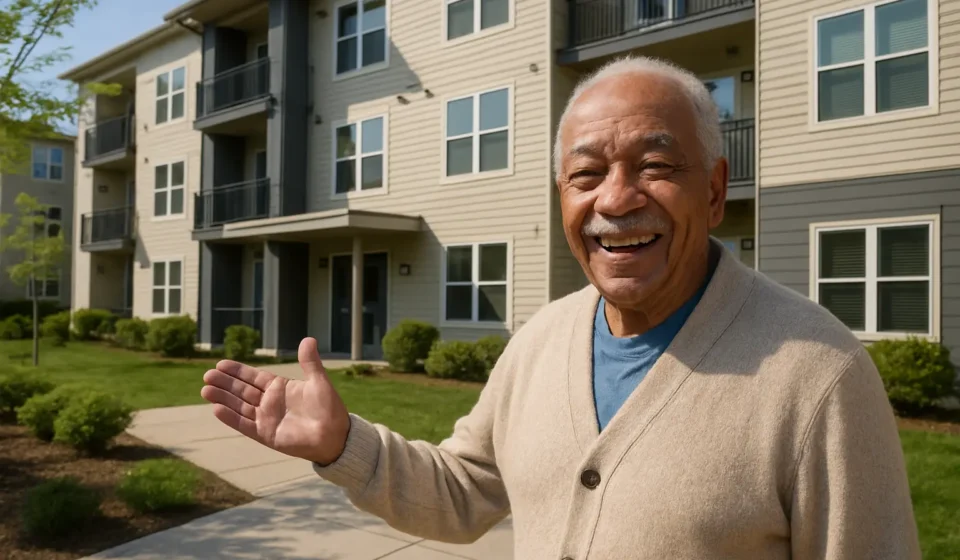

Rent is the single biggest expense in most older adults’ budgets — and for seniors living on Social Security alone, it can swallow half or more of every check. That is exactly the problem Section 202 senior housing was built to solve. Section 202 is the only federal housing program created exclusively for low-income older adults, and it does something few programs do: it caps your rent at about 30% of your income for as long as you live there. If you are 62 or older and stretched thin, this is one of the most valuable benefits you may never have heard of. Here is how Section 202 works in 2026, who qualifies, and how to get on a list.
Table of Contents
- What Is Section 202 Senior Housing?
- Who Qualifies in 2026
- How Much Rent You’ll Pay
- Supportive Services Included
- How to Apply and Beat the Waitlist
- Section 202 vs. Other Housing Help
- Avoiding Housing Scams
- Frequently Asked Questions
What Is Section 202 Senior Housing?
Section 202 Supportive Housing for the Elderly is a U.S. Department of Housing and Urban Development (HUD) program that funds apartment communities reserved for very-low-income seniors. It is unique because it is the only HUD program designed solely for older adults. Nearly 350,000 Section 202 units exist across the country, in buildings run by nonprofit sponsors such as faith-based and community organizations. Rather than handing you a voucher to use on the open market, Section 202 ties the subsidy to the building itself: you rent an apartment in a Section 202 community, and federal funding covers the gap between what you can afford and what the unit actually costs to operate.
Most modern Section 202 properties operate with a Project Rental Assistance Contract (PRAC). The PRAC pays the difference between your contribution — typically 30% of your adjusted income — and the operating cost of the apartment. That structure is what keeps your rent affordable and stable, even as market rents rise around you.
Who Qualifies in 2026
Eligibility is narrower than other housing programs, which is part of why units are so sought after.
- Age: At least one household member must be 62 or older.
- Income: Household income must fall at or below 50% of the area median income (AMI) — HUD’s “very low income” threshold. Many residents are well below that.
- Independence: Residents must be able to live independently, with or without the supportive services the building offers.
Because AMI is set locally, the dollar cutoff varies widely from one county to another. The property’s management office can tell you the exact income limit for that location and the documents you’ll need — typically proof of age, income (Social Security award letter, pension statements), and assets.
How Much Rent You’ll Pay
This is the heart of the benefit. In a Section 202 PRAC unit, you generally pay 30% of your adjusted monthly income toward rent and utilities. “Adjusted” means certain deductions — including a standard deduction for elderly households and out-of-pocket medical expenses — are subtracted first, which can lower your rent further.
| Monthly adjusted income | Approximate rent (30%) |
|---|---|
| $900 | ~$270 |
| $1,400 | ~$420 |
| $1,800 | ~$540 |
Note that high medical costs — a reality for many seniors — reduce your adjusted income, which means they can reduce your rent. Keep receipts for premiums, prescriptions, and other unreimbursed medical expenses and report them at recertification.
Supportive Services Included
The “supportive” in Supportive Housing for the Elderly is meaningful. Many Section 202 communities employ a service coordinator who connects residents to meals, transportation, housekeeping help, and health services so they can age in place rather than move to costlier assisted living. Buildings are also designed for older bodies — grab bars, ramps, emergency call systems, and common areas that fight the isolation that harms senior health. These services are a major reason Section 202 housing supports independence longer than ordinary apartments.
How to Apply and Beat the Waitlist
There is no single national application. Each Section 202 property keeps its own waiting list, so you apply directly to the building (or buildings) where you want to live.
- Find properties. Use HUD’s online housing search, call the Eldercare Locator at 1-800-677-1116, or check BenefitsCheckUp to locate Section 202 communities near you.
- Apply to several at once. Because demand is high, applying to multiple properties improves your odds.
- Ask about preferences. Some properties give priority to applicants who are homeless, displaced, or paying more than half their income in rent — ask whether you qualify for a preference that moves you up.
- Stay reachable and recertify. Waitlists can run months to years. Keep your contact information current; if the office can’t reach you, you can lose your place.
Getting on a waitlist costs nothing and commits you to nothing. The earlier you apply, the sooner your name rises.
Section 202 vs. Other Housing Help
| Program | How it works | Best for |
|---|---|---|
| Section 202 | Subsidy tied to a senior-only building; rent ~30% of income | Seniors 62+ wanting age-friendly housing with services |
| Housing Choice Voucher (Section 8) | Portable voucher used on the private market | Those wanting to choose their own apartment |
| Public housing | Government-owned units, all ages | Mixed-age, lowest-income households |
You can sit on more than one program’s waitlist at the same time. Pairing a housing search with other benefits — energy help, food assistance, and Medicare savings programs — stretches a fixed income much further.
Avoiding Housing Scams
One rule protects you from nearly every housing scam: you never have to pay a fee to get on a Section 202 or HUD waiting list. Legitimate applications are free. Be wary of anyone who guarantees you an apartment, asks for payment to “move you up” the list, or requests your Social Security number by text or unsolicited call. When in doubt, contact the property management office directly using a number you find on HUD.gov. This article is educational and not legal or financial advice.
Frequently Asked Questions
What is the income limit for Section 202 housing?
Your household income must be at or below 50% of your area’s median income, HUD’s “very low income” line. The exact dollar figure depends on where you live; the property office can give you the local limit.
How long is the Section 202 waiting list?
It varies by location and demand — from several months to a few years. Applying to multiple properties and asking about priority preferences are the best ways to shorten your wait.
Can I get Section 202 if I own a car or have savings?
Modest assets like a car usually don’t disqualify you; eligibility is driven by income. Savings can affect your calculated income, but there is no strict asset cap that automatically excludes seniors. Report assets honestly and let the office calculate.
Is Section 202 the same as Section 8?
No. Section 8 is a portable voucher you use on the private market. Section 202 ties the subsidy to a specific senior-only building and adds supportive services. You can apply for both.
Related Articles You May Find Helpful
- Social Security Complete Guide 2026
- Senior Housing Options 2026: Cost & Care Comparison
- LIHEAP 2026: Energy Bill Assistance for Seniors
- CSFP Senior Food Box: Free Monthly Groceries
- 7 Government Benefits Seniors Are Missing
Sources
- U.S. Department of Housing and Urban Development (HUD) — Section 202 Supportive Housing for the Elderly program description
- National Council on Aging (NCOA) — Guide to Section 202 Low-Income Housing for Older Adults
- HUD Exchange & BenefitsCheckUp — Section 202 application guidance