
Vitamin B6 (pyridoxine and related forms) helps your body run enzyme reactions involved in protein metabolism, neurotransmitters, and red blood cell function. For older adults, the story is usually not “take a huge dose.” It is “hit a modest daily target with food, and don’t overdose the pills.”
I checked the NIH Office of Dietary Supplements vitamin B6 health professional fact sheet on October 9, 2026. Here is the senior-focused version: the RDA after 51, foods that clear it, who runs low, and why megadose B6 has a neuropathy warning.
I’m a researcher, not a doctor or dietitian. If you have numbness in your feet or take medicines that interact with B6, talk with your clinician before changing supplements.
The short version
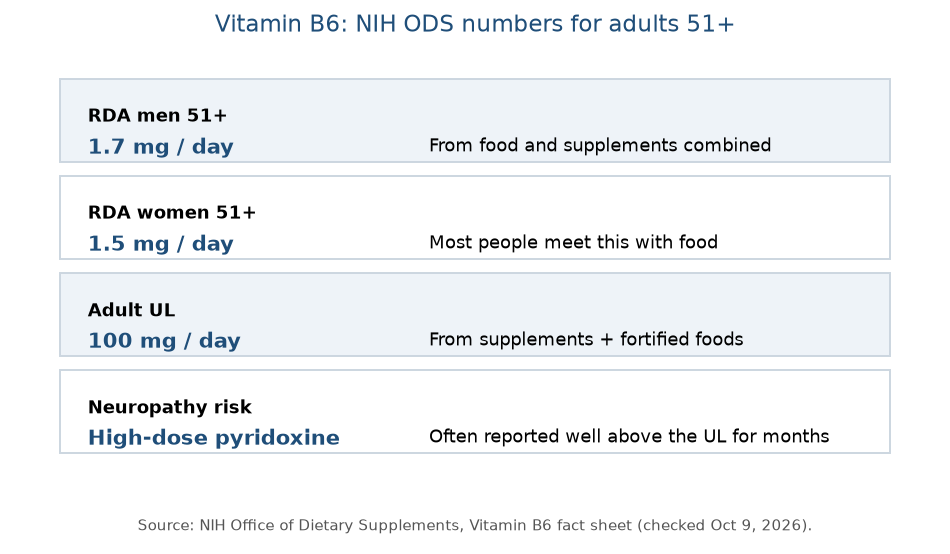
- RDA at 51+: 1.7 mg/day for men, 1.5 mg/day for women.
- Most U.S. adults get enough from food. Average intakes are about 2 mg/day in men and 1.5 mg/day in women.
- Adult upper limit (UL): 100 mg/day from food plus supplements (NIH Food and Nutrition Board).
- Toxicity is about supplements, not food. Chronic very high oral pyridoxine (reports often in the gram range, and some cases below 500 mg/day) can cause progressive sensory neuropathy.
- Europe’s food-safety panel (EFSA, 2023) set a much lower adult upper limit of 12 mg/day, which is another reason “more is better” is the wrong instinct here.
How much vitamin B6 seniors need
| Age / group | Men | Women |
|---|---|---|
| 19–50 years | 1.3 mg | 1.3 mg |
| 51+ years | 1.7 mg | 1.5 mg |
| Pregnancy | – | 1.9 mg |
| Lactation | – | 2.0 mg |
The Daily Value on labels is 1.7 mg for adults and children 4+.
NIH notes that plasma PLP (the active coenzyme form) tends to run lower in women than men, in current smokers, and in people with obesity or alcohol dependence. Frank deficiency is uncommon in the United States, but marginal status shows up in several groups.
Foods that cover the RDA easily
| Food | Serving | Vitamin B6 |
|---|---|---|
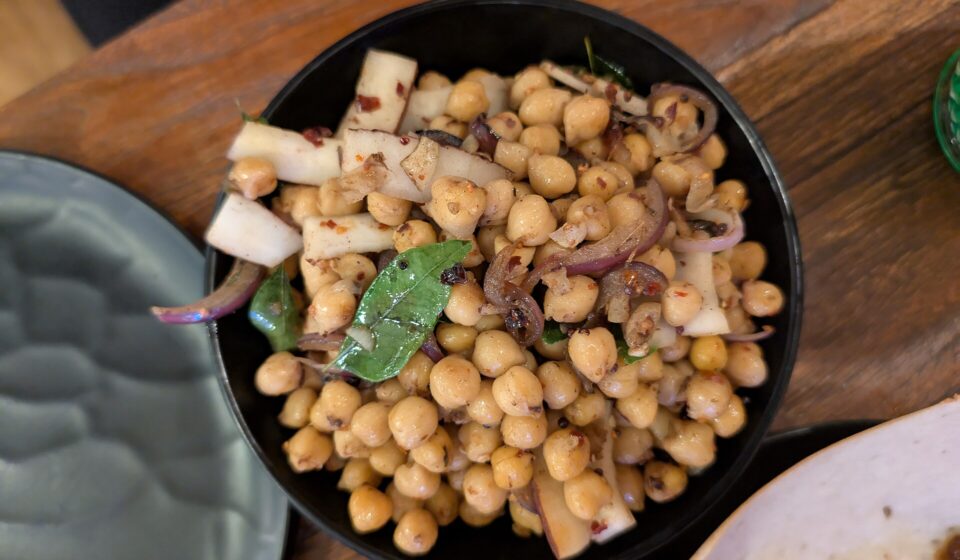
| Chickpeas, canned | 1 cup | 1.1 mg |
| Beef liver, pan fried | 3 ounces | 0.9 mg |
| Yellowfin tuna, cooked | 3 ounces | 0.9 mg |
| Sockeye salmon, cooked | 3 ounces | 0.6 mg |
| Chicken breast, roasted | 3 ounces | 0.5 mg |
| Potato, boiled | 1 cup | 0.4 mg |
| Banana | 1 medium | 0.4 mg |
| Fortified breakfast cereal | 1 serving (varies) | ~0.4 mg (25% DV example) |
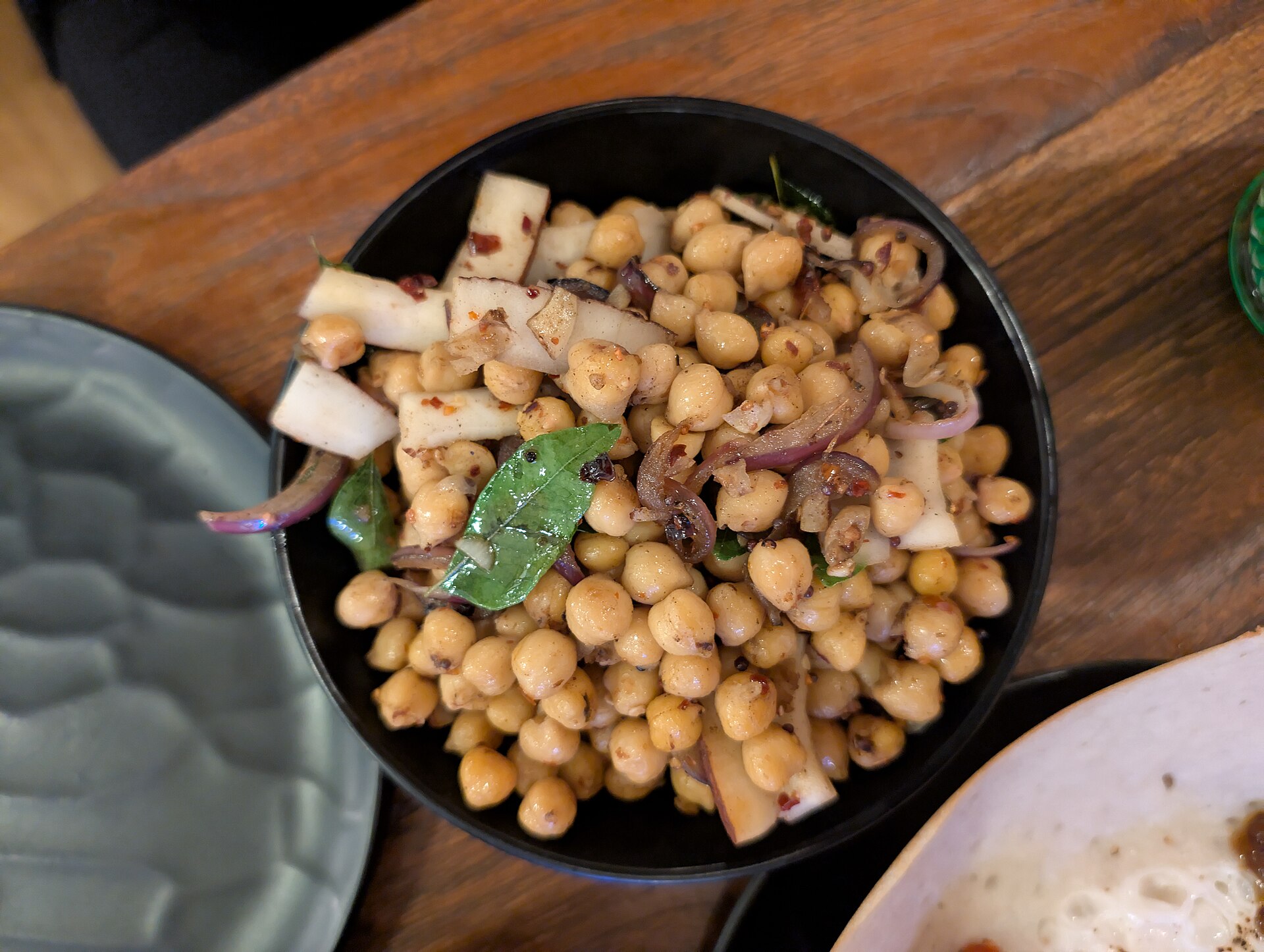
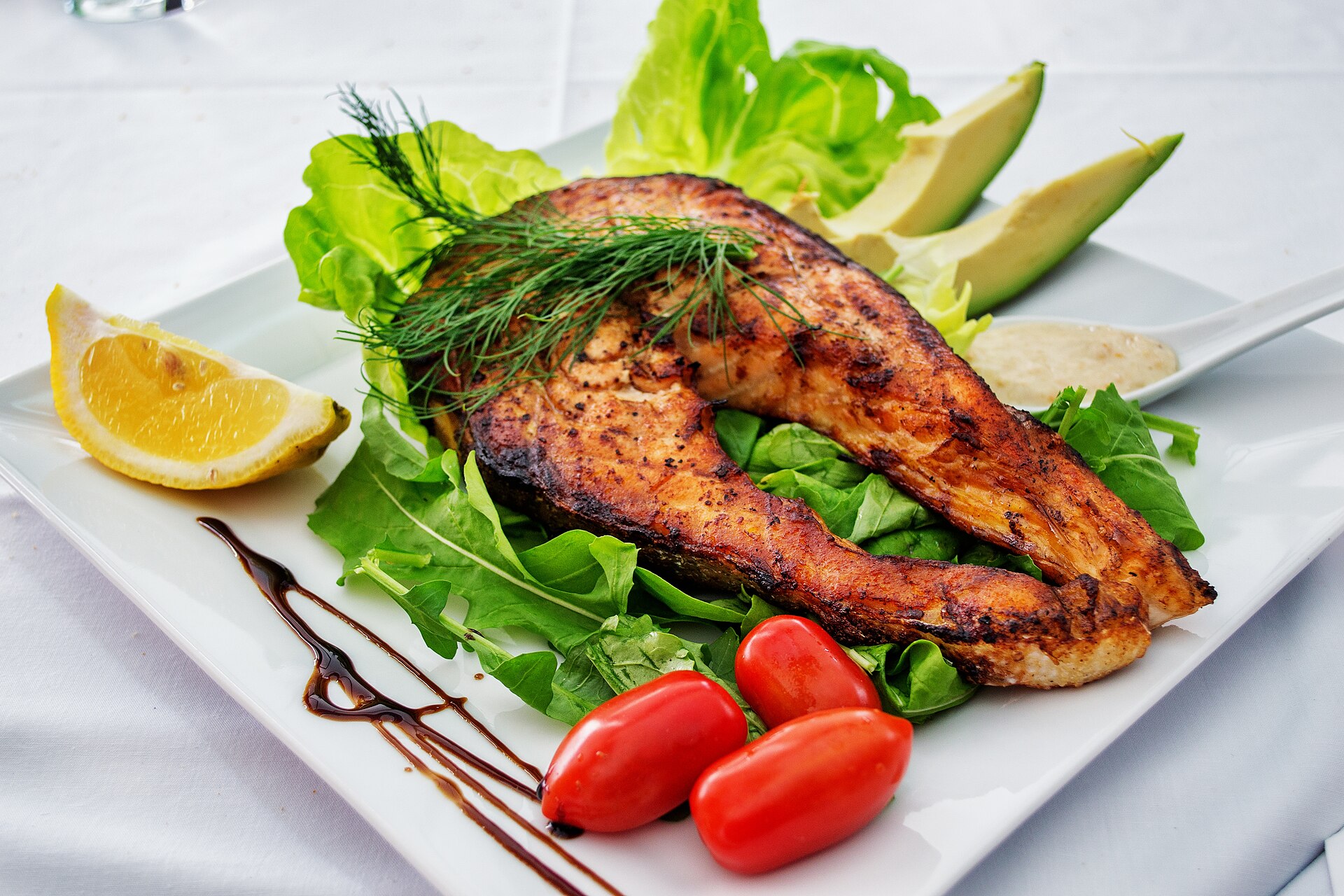
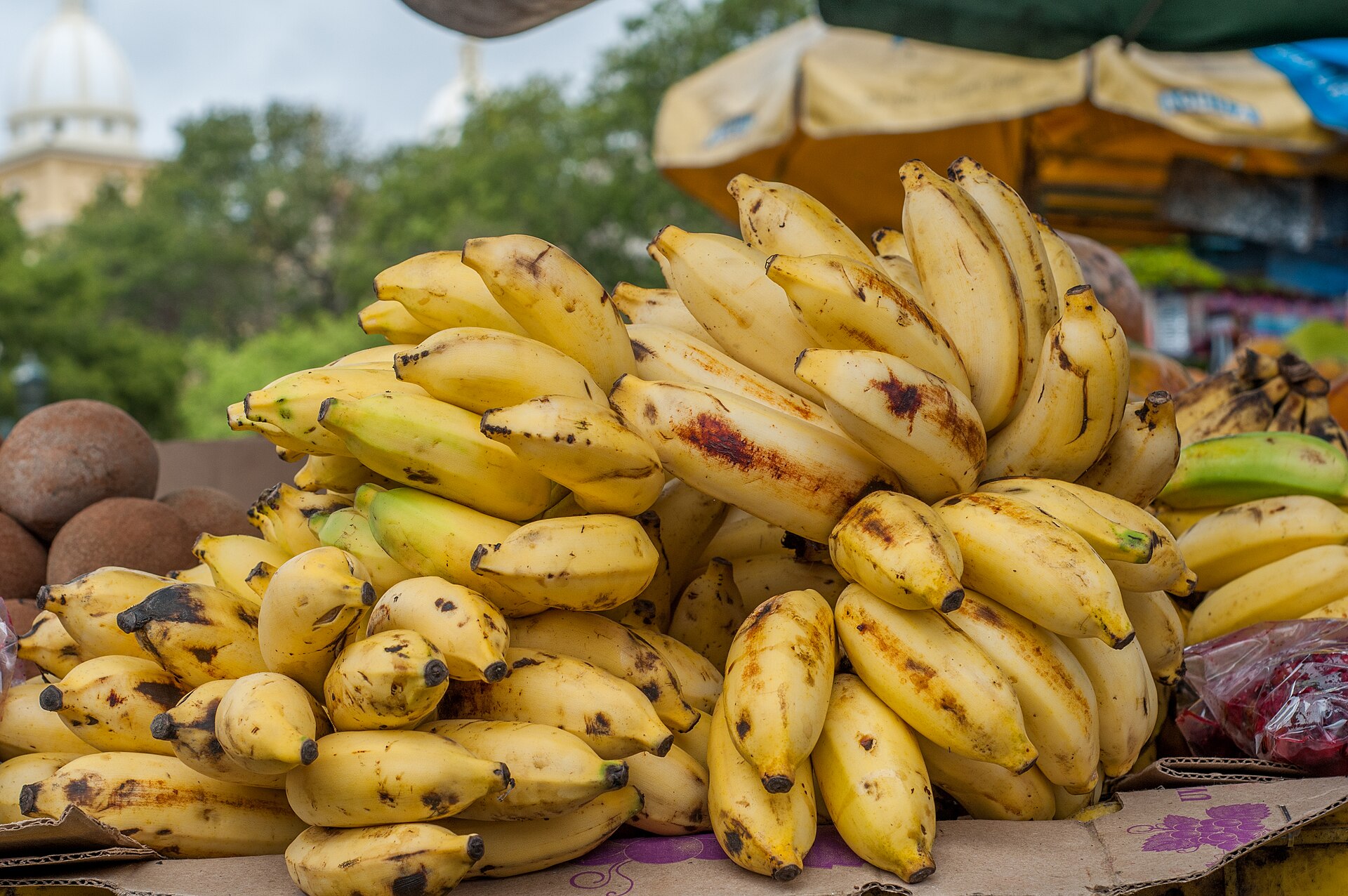
A cup of chickpeas plus a banana already clears the women’s RDA. Add fish or poultry and you are comfortably above the men’s target without a separate B6 megadose.
For broader protein and muscle goals after 60, see our high-protein foods guide. Related nutrient pages worth pairing: vitamin D deficiency and magnesium for seniors.
Who is more likely to run low
NIH flags higher risk of inadequate B6 status in people with:
- Alcohol dependence
- Obesity
- Malabsorption conditions such as celiac disease, Crohn’s disease, or ulcerative colitis
- Autoimmune disorders that can involve B6 pathways (for example, rheumatoid arthritis in some research contexts)
- Certain genetic differences affecting B6 metabolism
Kidney disease and some medicines can also change B6 handling. That is a lab-and-clinician question, not a cue to self-prescribe 100 mg tablets.
The toxicity issue seniors actually need to know
High B6 intake from food has not been reported to cause adverse effects. The problem is chronic high-dose pyridoxine supplements.
NIH summarizes that taking 1–6 grams per day orally for months to years can cause severe, progressive sensory neuropathy – numbness, tingling, and trouble with balance (ataxia). Symptoms are often dose-related and usually improve if the supplement is stopped early, though recovery is not guaranteed in every case. Other reported effects include skin lesions and photosensitivity.
The U.S. adult UL of 100 mg/day was set with a safety margin after reviewing neuropathy reports, including some below 500 mg/day and longer studies around 200 mg/day that did not show the effect. EFSA’s 2023 opinion went further and proposed 12 mg/day as an adult upper limit based on neuropathy reviews.
Practical takeaway: a B-complex that provides something near the Daily Value is in a different universe from a 100–500 mg “nerve health” bottle.
Medication interactions to ask about
NIH notes that vitamin B6 can interact with several medicines, and some medicines can lower B6 status. Examples discussed in the fact sheet include:
- Cycloserine, anti-seizure drugs such as valproic acid, and theophylline – can affect B6 status
- Levodopa without carbidopa – older interaction concern; modern carbidopa/levodopa combinations change the picture, but Parkinson’s regimens still deserve a pharmacist check before adding B6
- Certain antibiotics and chemotherapy agents – review case by case
If your medicine list is long, bring the bottle labels to a medication review. Our polypharmacy guide explains why duplicate B vitamins sneak in through multiple products.
NIH also publishes a plain-language vitamin B6 consumer fact sheet with the same RDA and upper-limit figures.
A sensible plan after 60
- Hit 1.5–1.7 mg/day from food most days.
- If you use a multivitamin, check the B6 line – many already provide 1.7–2 mg.
- Avoid long-term high-dose pyridoxine unless a clinician is treating a documented deficiency or a specific condition and monitoring you.
- New numbness, tingling, or walking trouble while on high-dose B6 is a reason to stop the megadose and call your clinician promptly.
Common questions
How much vitamin B6 should a senior take?
The NIH RDA is 1.7 mg for men 51+ and 1.5 mg for women 51+. Food plus a standard multi is usually enough.
Can too much vitamin B6 cause nerve damage?
Yes. Chronic high-dose pyridoxine supplements can cause sensory neuropathy. That is the main reason NIH set a 100 mg adult upper limit.
What foods are highest in B6?
Chickpeas, liver, tuna, salmon, chicken, potatoes, and bananas are among the denser common sources on the NIH list.
Is a 100 mg B6 tablet safe every day?
100 mg is the U.S. upper limit, not a recommended daily dose. It is many times the RDA. Daily use at that level should only happen with clinician guidance.
Does vitamin B6 fix neuropathy on its own?
Not as a DIY cure. Some people with deficiency-related problems improve when a true deficiency is corrected; megadoses can also cause neuropathy. Get evaluated rather than self-treating numb feet with bigger bottles.
Written by Khasim Basha Shaik. I research senior nutrition topics and compare official guidance for readers. I’m not a doctor, dietitian, or licensed clinician. This article summarizes the NIH Office of Dietary Supplements vitamin B6 fact sheet and is not medical advice. Last reviewed October 9, 2026.