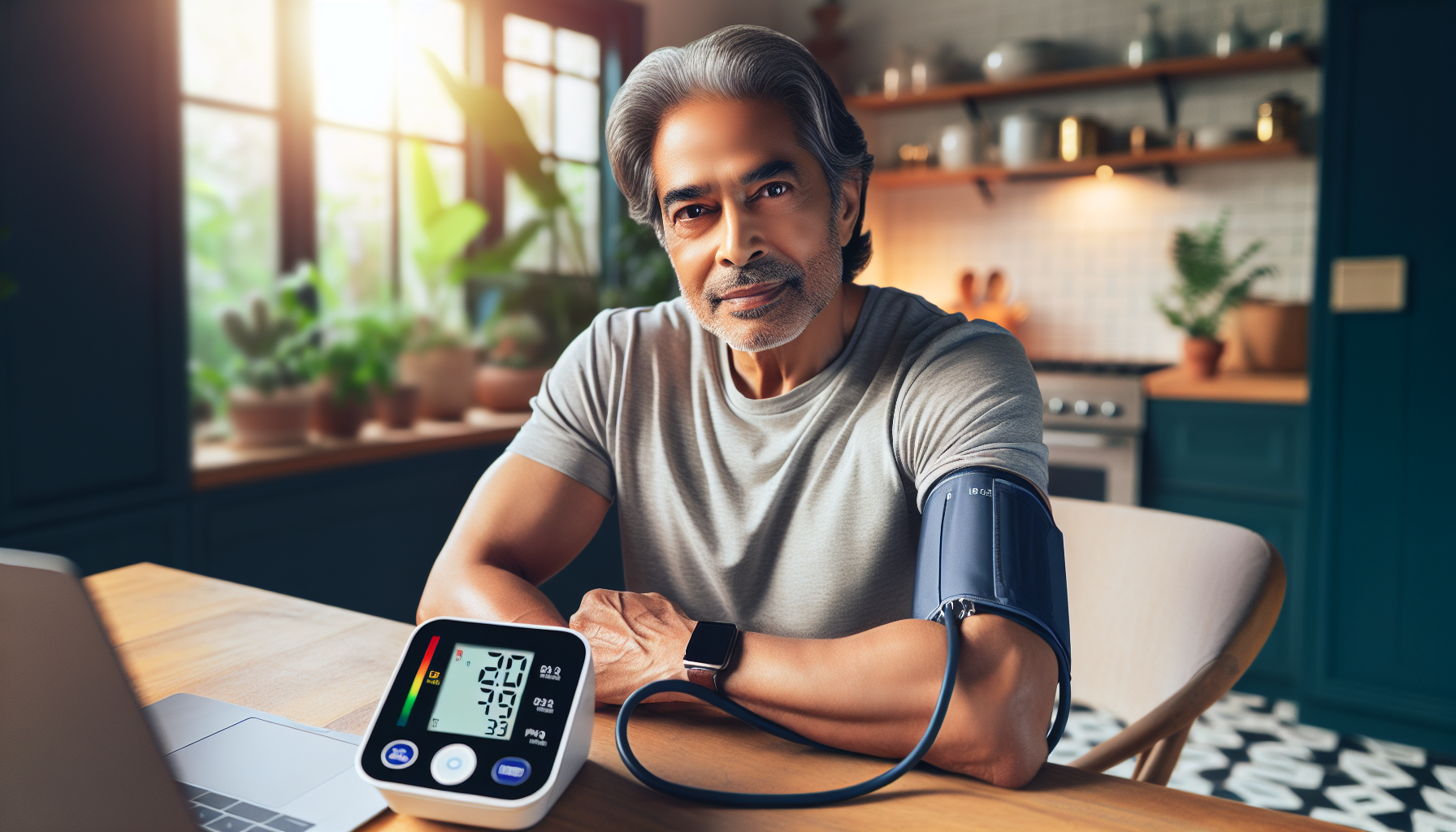

Hypertension — high blood pressure — affects more than 70% of adults over the age of 65, making it the most common chronic condition among seniors. Yet millions of older Americans do not regularly monitor their blood pressure at home, relying only on an occasional reading at the doctor’s office. That is a costly mistake. Research published in the journal Hypertension consistently shows that home blood pressure monitoring leads to significantly better blood pressure control, earlier detection of dangerous spikes, and improved outcomes for heart attack and stroke prevention. In this expert guide, I break down the best blood pressure monitors for seniors in 2026 — validated for accuracy and tested for senior-friendly ease of use.
Why Seniors Need a Home Blood Pressure Monitor in 2026
There are several compelling reasons why home monitoring is especially critical for older adults. First, white coat hypertension — blood pressure that reads significantly higher in a clinical setting due to anxiety — affects up to 30% of seniors, leading to unnecessary medication adjustments. Home readings give your doctor a far more accurate picture of your true daily blood pressure patterns. Second, masked hypertension — the inverse problem where blood pressure appears normal in the office but is elevated at home — affects up to 16% of seniors and dramatically increases cardiovascular risk if left undetected. Third, if you are on blood pressure medication, home monitoring allows your doctor to fine-tune your dosage far more precisely between quarterly office visits. Finally, a hypertensive crisis (systolic over 180) requires immediate medical attention — home monitoring catches these emergencies in real time.
What to Look for in the Best Blood Pressure Monitors for Seniors
- Upper arm vs. wrist — Upper arm cuffs are significantly more accurate and are recommended by the American Heart Association for home monitoring. Wrist monitors are more susceptible to positioning errors.
- Correct cuff size — The most common measurement error is using an ill-fitting cuff. Measure your upper arm circumference: most adults need a medium cuff (9–13 inches). Many monitors include multiple cuff sizes.
- Display clarity — Large, bold numbers with strong contrast and backlighting are essential for seniors with vision changes. Look for at least a 2-inch display with high contrast.
- Simple controls — One-button operation is ideal. Complex menus are a barrier to consistent daily use.
- Memory and averaging — Look for at least 60 stored readings per user. Some models store data for two users and automatically calculate morning and evening averages — exactly what your doctor needs.
- Clinical validation — Choose monitors validated by the Association for the Advancement of Medical Instrumentation (AAMI), European Society of Hypertension (ESH), or British Hypertension Society (BHS).
- Bluetooth connectivity — For tech-comfortable seniors, Bluetooth models sync readings to smartphone apps, making it effortless to share data with your physician.
The 5 Best Blood Pressure Monitors for Seniors in 2026
1. Omron Platinum BP5450 — Best Overall for Seniors
Consistently rated at the top by Consumer Reports and the National Council on Aging (NCOA) in 2026, the Omron Platinum features a large backlit display, one-button operation, and stores 100 readings for two users. Its TruRead technology automatically takes three consecutive readings one minute apart and displays the average — mirroring clinical measurement protocol. The ComFit cuff accommodates arm circumferences from 9 to 17 inches, fitting nearly all adult arms. Bluetooth connectivity syncs to the Omron Connect app for easy physician sharing. Clinically validated. Price: approximately $75–$85.
2. A&D Medical Premium Multi-User UA-789AC — Best for Shared Households
The A&D Medical UA-789AC earned near-perfect scores in NCOA’s 2026 blood pressure monitor evaluation across every testing category. It accommodates two users (60 readings stored per user), features an irregular heartbeat detection indicator, and includes an extra-large display with bold numbers. Its simple button layout and clearly labeled controls make it the top recommendation for seniors who prefer simplicity over advanced tech features. Also includes an extra-large cuff option for larger arm circumferences. Price: approximately $65–$75.
3. iHealth Track KN550BT — Best Accuracy + Bluetooth
AARP’s 2026 blood pressure monitor roundup highlighted the iHealth KN550BT for exceptional accuracy — validated within 3 mmHg of professional-grade devices in clinical testing. It connects via Bluetooth to the iHealth MyVitals app, which generates clear reports you can email directly to your physician. The display shows systolic, diastolic, pulse, and an irregular heartbeat indicator simultaneously. The inflation process is gentle and comfortable, and setup requires minimal technical knowledge. Price: approximately $50–$60.
4. Withings BPM Connect — Best for Tech-Savvy Seniors
The Withings BPM Connect is the top recommendation for seniors comfortable with smartphones and health apps. It connects via Wi-Fi or Bluetooth to the Withings Health Mate app, which tracks long-term blood pressure trends, alerts you to readings outside your target range, and can share data automatically with compatible telehealth platforms. The device is sleek and compact with a single-touch design. Fully clinically validated. Price: approximately $100–$115.
5. Omron 3 Series BP7100 — Best Budget Pick
For seniors who want reliable clinical accuracy without advanced features, the Omron 3 Series is the top budget recommendation from Consumer Reports in 2026. It stores 14 readings, includes irregular heartbeat detection, and uses the same clinically validated Omron measurement technology found in higher-end models. The display is clear, the cuff is comfortable, and the price makes it accessible to virtually all seniors. Price: approximately $30–$40.
Know Your Numbers: Blood Pressure Categories in 2026
| Category | Systolic (top) | Diastolic (bottom) | Action |
|---|---|---|---|
| Normal | Less than 120 | Less than 80 | Maintain healthy lifestyle |
| Elevated | 120–129 | Less than 80 | Lifestyle changes, monitor closely |
| High BP Stage 1 | 130–139 | 80–89 | Discuss medication with doctor |
| High BP Stage 2 | 140 or higher | 90 or higher | Medication + lifestyle changes |
| Hypertensive Crisis | Higher than 180 | Higher than 120 | Call 911 immediately |
How to Take an Accurate Home Blood Pressure Reading
- Rest for 5 minutes first — Sit quietly before measuring. Rushing from activity inflates your numbers artificially. Avoid caffeine, exercise, and smoking for at least 30 minutes prior to measurement.
- Sit in the correct position — Back supported, feet flat on the floor, arm resting on a table at heart level. Cross-legged sitting or an unsupported arm significantly affects accuracy.
- Apply the cuff correctly — Position the cuff 1 inch (2.5 cm) above your elbow crease, with the artery marker over your inner arm. A too-tight or too-loose cuff is the most common source of inaccurate readings.
- Take 2–3 readings — Measure twice, one to two minutes apart. Record both readings and use the average, or use a monitor with built-in averaging like the Omron Platinum.
- Record and share with your doctor — Log readings in a journal or app. Bring your records to every appointment. Two weeks of consistent home readings give your doctor the clearest picture of your true blood pressure patterns.
Does Medicare Cover Blood Pressure Monitors?
Original Medicare Part B does not typically cover home blood pressure monitors as standard durable medical equipment. However, some Medicare Advantage plans include home health monitoring devices as a supplemental benefit in 2026 — call your plan’s Member Services number to ask specifically about blood pressure monitor coverage. Medicare does cover hypertension screening as a free preventive service at covered Annual Wellness Visits — meaning your doctor can check and track your blood pressure at no cost to you at these preventive appointments.
When to Call Your Doctor Immediately
Call your doctor or go to an emergency room if your blood pressure reading is 180/120 or higher, especially if accompanied by chest pain, shortness of breath, severe headache, vision changes, or sudden weakness on one side of the body. This is a hypertensive crisis and requires immediate medical attention. Do not take an extra dose of your blood pressure medication without first consulting your doctor or calling 911.
Sources
- National Council on Aging — Best Home Blood Pressure Monitors 2026
- AARP — Best Blood Pressure Monitors of 2026
- American Heart Association — Understanding Blood Pressure Readings
Related Articles You May Find Helpful
- AHA’s 2026 Heart-Healthy Diet for Seniors: 9 Life-Saving Steps
- Exercise Variety Cuts Premature Death Risk 19%: What Seniors Need to Know
- Dehydration in Seniors: The Hidden Danger Most Doctors Miss in 2026
- Sarcopenia Warning: Why Every Senior Needs Strength Training in 2026
- Healthspan Over Lifespan: 8 Longevity Habits for Seniors in 2026