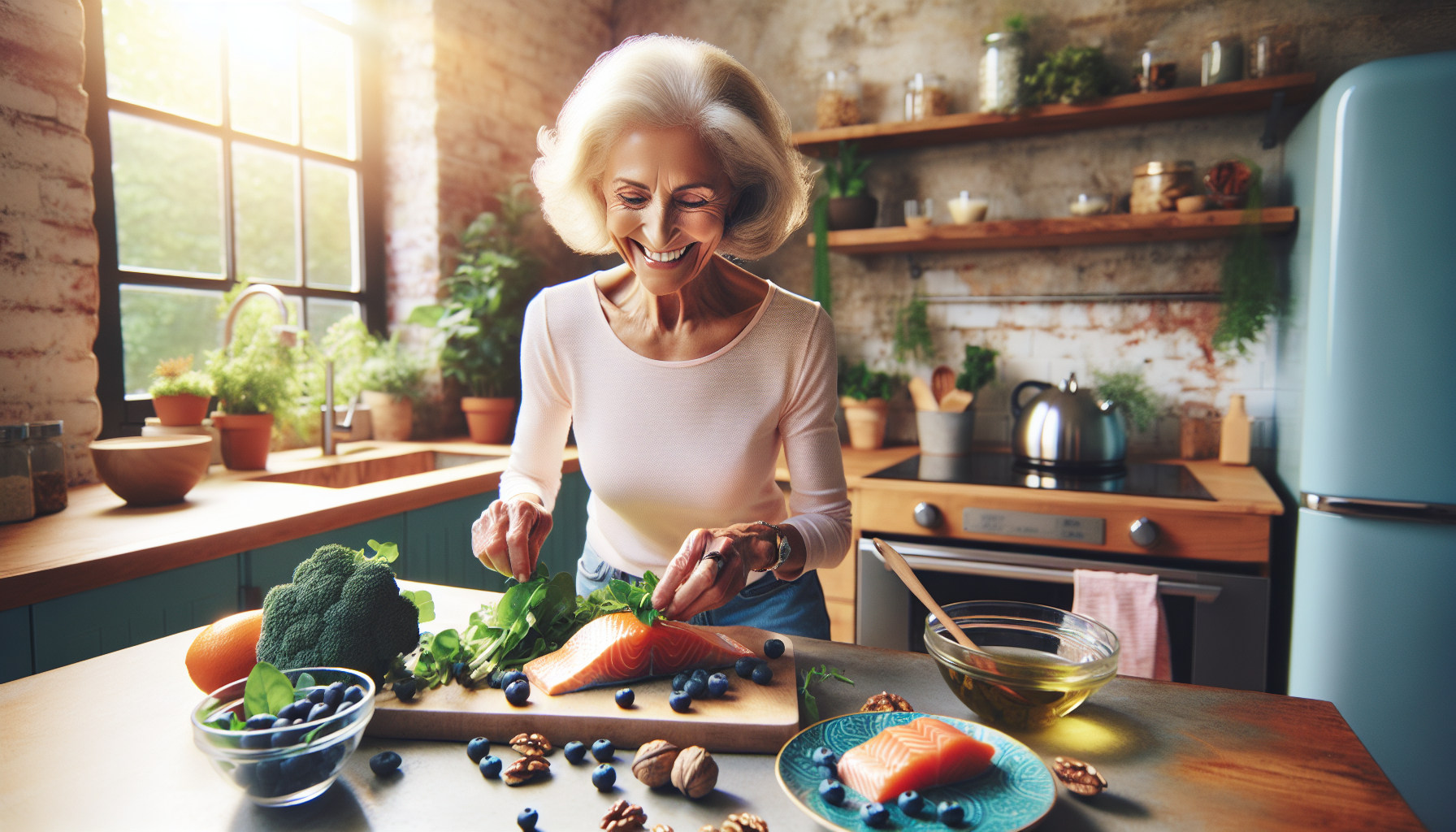

If you’ve been told you have diabetes, heart disease, arthritis, or simply want to protect your health as you age, the anti-inflammatory diet for seniors may be the most powerful step you can take. Chronic inflammation is now recognized as the root driver behind most serious diseases that affect older adults — and the foods you eat every day either fuel that fire or put it out. As a senior health expert, I want to walk you through exactly what this diet is, why it works, and how to make it a sustainable part of your life.
What Is Chronic Inflammation — and Why Does It Threaten Seniors?
Inflammation is your immune system’s natural response to injury or infection. Acute inflammation — the swelling around a cut or a fever during a cold — is healthy and protective. But chronic, low-grade inflammation is different. It’s a slow-burning internal fire that persists for months or years, quietly damaging cells, tissues, and organs without obvious symptoms.
Research published by the National Institutes of Health confirms that chronic inflammation is directly linked to heart disease, type 2 diabetes, Alzheimer’s disease, certain cancers, osteoarthritis, and even depression. For adults over 65, elevated inflammatory markers such as C-reactive protein (CRP) and interleukin-6 are strongly associated with faster physical and cognitive decline.
The good news? Your fork is one of the most potent anti-inflammatory tools available — and it costs less than most medications.
The Anti-Inflammatory Diet for Seniors: Core Principles
The anti-inflammatory diet is not a fad or a strict regimen. It is a broad, flexible eating pattern that emphasizes whole foods rich in antioxidants, fiber, and healthy fats while minimizing processed foods, sugar, and refined carbohydrates that trigger inflammatory pathways. It closely resembles the Mediterranean diet, which has consistently ranked as one of the world’s healthiest eating patterns.
The 10 Best Anti-Inflammatory Foods for Seniors
| Food | Key Anti-Inflammatory Compound | Best For |
|---|---|---|
| Fatty fish (salmon, sardines, mackerel) | Omega-3 fatty acids (EPA, DHA) | Heart, brain, joints |
| Extra virgin olive oil | Oleocanthal (natural ibuprofen-like) | Heart, arthritis, brain |
| Blueberries | Anthocyanins | Brain, memory, oxidative stress |
| Leafy greens (spinach, kale) | Vitamins C, K, flavonoids | Bones, brain, eye health |
| Turmeric | Curcumin | Joints, brain, cancer prevention |
| Walnuts | ALA omega-3, polyphenols | Heart, brain, cholesterol |
| Green tea | EGCG (epigallocatechin gallate) | Metabolism, brain, inflammation |
| Tomatoes | Lycopene | Heart, prostate, skin |
| Broccoli | Sulforaphane | Cancer prevention, liver, joints |
| Beans & lentils | Fiber, polyphenols | Blood sugar, gut health, heart |
Foods That Increase Inflammation — Seniors Should Limit These
Just as important as what you eat is what you avoid. The following foods are known to ramp up inflammatory pathways and contribute to the chronic diseases we most want to prevent:
- Ultra-processed foods — packaged snacks, frozen meals, fast food. These are loaded with trans fats, refined oils, and additives that trigger CRP.
- Sugar and high-fructose corn syrup — sodas, pastries, candy, sweetened cereals. Sugar directly activates the NF-κB inflammatory pathway in your cells.
- Refined carbohydrates — white bread, white rice, regular pasta. These spike blood sugar, leading to glycation and inflammation.
- Red and processed meats — particularly processed deli meats, bacon, hot dogs. These contain saturated fats and compounds like N-nitroso that promote inflammation.
- Margarine and vegetable shortening — sources of trans fats that are particularly damaging to cardiovascular and brain tissue.
- Excessive alcohol — more than 1 drink/day for women, 2/day for men disrupts gut microbiome and increases systemic inflammation.
Anti-Inflammatory Diet and Senior Health: What the Research Shows
The science behind this eating pattern is robust and growing. A landmark 2025 systematic review published in Frontiers in Nutrition found that anti-inflammatory dietary patterns significantly reduce cardiovascular disease risk factors including blood pressure, LDL cholesterol, triglycerides, and fasting blood glucose — all major concerns for older adults.
For brain health, a study published in BMC Complementary Medicine and Therapies found that an anti-inflammatory diet was a “key protector” against subjective memory complaints in women — with those eating more pro-inflammatory foods showing significantly worse memory scores. Research also shows that a one-unit increase in the Dietary Inflammatory Index is associated with a 15–39% higher probability of developing a neurodegenerative disease.
For joint health, curcumin (from turmeric) has been shown in clinical trials to reduce arthritis pain as effectively as ibuprofen in some patients — without the gastrointestinal side effects that make NSAIDs particularly risky for seniors.
A Practical 7-Day Anti-Inflammatory Meal Plan for Seniors
Sample Daily Meal Pattern
Breakfast: Oatmeal topped with fresh blueberries, walnuts, and a drizzle of honey. Green tea on the side.
Lunch: Large salad with baby spinach, cherry tomatoes, canned salmon, avocado, and extra virgin olive oil with lemon dressing. Whole grain bread on the side.
Snack: A small handful of mixed nuts (walnuts, almonds) with an apple.
Dinner: Baked salmon or sardines with roasted broccoli, sweet potato, and a turmeric-ginger sauce. Lentil soup as a starter.
Evening: A cup of chamomile or green tea.
Anti-Inflammatory Diet Tips Specific to Seniors
As a senior health expert, I want to highlight a few points that are uniquely important for older adults following this eating pattern:
- Protein needs increase with age. Aim for 1.0–1.2 grams of protein per kilogram of body weight daily. Anti-inflammatory protein sources include fish, legumes, eggs, and Greek yogurt.
- Hydration matters. Older adults have a blunted sense of thirst. Aim for at least 6–8 cups of fluid daily, with water and herbal teas being optimal choices.
- Gut health is foundational. Eating prebiotic-rich foods (garlic, onions, leeks, oats) and probiotic-rich foods (yogurt, kefir, sauerkraut) supports a healthy microbiome and reduces inflammatory signaling.
- Supplement strategically. If you don’t eat fish twice a week, an omega-3 supplement (EPA+DHA, 1–2g daily) is worth discussing with your doctor. Vitamin D deficiency — very common in seniors — also amplifies inflammation.
- Beware of drug-food interactions. Turmeric supplements can interact with blood thinners like warfarin. Always consult your physician before adding new supplements alongside your medications.
Getting Started: Your Action Plan This Week
You don’t need to overhaul your diet overnight. Here is a simple week-one action plan:
- Replace one processed snack daily with a handful of walnuts or a piece of fruit.
- Add salmon, sardines, or mackerel to your meals twice this week.
- Switch your cooking oil to extra virgin olive oil.
- Add one cup of leafy greens to lunch every day.
- Cut out one sugary drink per day.
- Add turmeric to soups, scrambled eggs, or roasted vegetables — combine with black pepper for dramatically better absorption.
The Bottom Line
The anti-inflammatory diet for seniors is one of the most evidence-backed, practical, and powerful strategies available for protecting your health as you age. By consistently choosing foods that calm inflammation rather than ignite it, you’re supporting your heart, brain, joints, gut, and immune system simultaneously. As the CDC’s Division of Population Health notes, chronic disease prevention through lifestyle modification remains the cornerstone of healthy aging. Start today — every anti-inflammatory meal is an investment in your future self.
Sources
- NIH StatPearls: Anti-Inflammatory Diets
- Frontiers in Nutrition: Anti-Inflammatory Diets and Cardiovascular Risk (2025)
- BMC Complementary Medicine: Anti-Inflammatory Diet and Memory Protection
Related Articles You May Find Helpful
- Medicare Part D’s $2,100 Drug Cap in 2026: How Seniors Save Thousands
- Free Medicare Preventive Screenings 2026: Complete Senior Guide
- Exercise Variety Cuts Premature Death Risk 19%: What Seniors Need to Know
- Harvard Study: Omega-3 + Vitamin D + Exercise Slows Biological Aging
- Science Confirms: A Positive Attitude About Aging Slows Decline