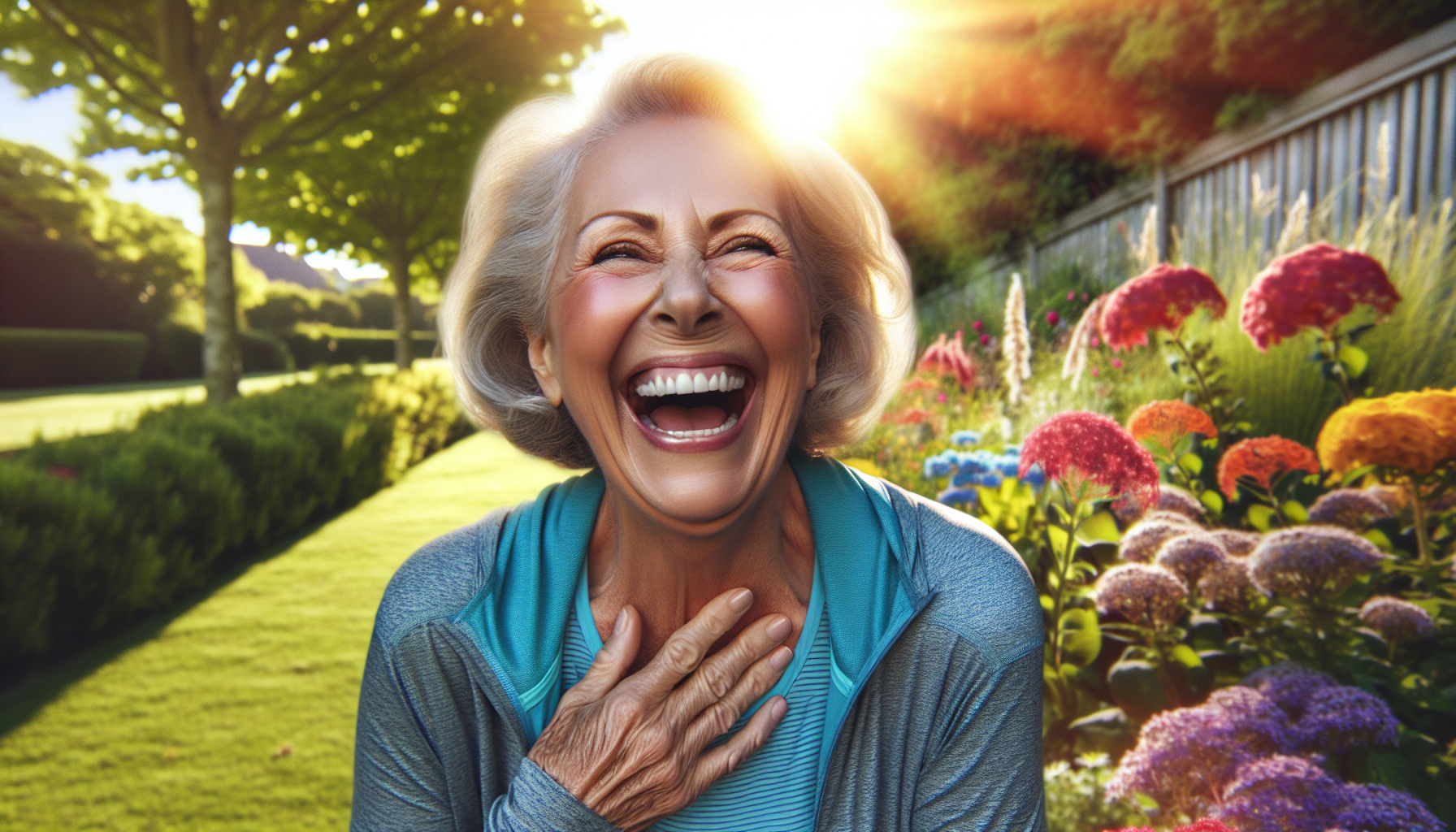

Of all the anti-aging strategies available to seniors today — supplements, exercise programs, diet plans — one of the most powerful costs absolutely nothing and requires no prescription: your attitude about aging. A growing body of research confirms that seniors who hold positive beliefs about their own aging experience measurably better cognitive function, greater physical mobility, and significantly longer lives. In 2026, wellness researchers are calling mindset one of the most underutilized health tools available to older adults — and the science backs them up.
What Research Says About Positive Attitude and Aging
New data from the Global Wellness Institute’s 2026 Aging Well Initiative reveals something remarkable: more than 45% of study participants showed measurable improvements in their thinking skills and/or walking speed over time — with improvement significantly more common among those who held positive attitudes about their own aging. This isn’t just correlation. The mechanisms are being traced through biological pathways including stress hormones, inflammation markers, and even brain structure.
Meanwhile, a CNN-reported study published in early 2026 reinforces what Yale University researcher Dr. Becca Levy has been documenting for over two decades: the way you think about aging literally affects how you age. Seniors with more positive self-perceptions of aging lived an average of 7.5 years longer than those with negative perceptions — a survival advantage greater than that conferred by low blood pressure, low cholesterol, maintaining a healthy weight, or not smoking.
Why Your Attitude About Aging Affects Your Health
The connection between mindset and physical health isn’t mystical — it’s biological. Here’s what researchers have found about the mechanisms:
- Stress response — Negative beliefs about aging trigger chronically elevated cortisol levels, which damage cardiovascular health, weaken the immune system, and impair memory
- Self-fulfilling behavior — Seniors who believe decline is inevitable are less likely to exercise, socialize, and seek medical care — all of which actually accelerate decline
- Neuroplasticity — Positive aging beliefs are associated with larger hippocampal volume (the brain’s memory center) and lower rates of amyloid plaque accumulation — the protein associated with Alzheimer’s disease
- Inflammation — Chronic negative stress responses elevate inflammatory markers linked to cardiovascular disease, diabetes, and dementia
- Will to live — Positive agers are more motivated to maintain healthy habits, take medications as prescribed, and recover from illness
The Resilience Finding: It’s Never Too Late to Turn Things Around
One of the most hopeful findings in recent senior wellness research comes from the Institute for Functional Medicine. Their analysis found that nearly one in four adults age 60 or older who reported non-optimal wellbeing at the start of a study had regained optimal wellbeing within three years. This challenges the assumption that health decline in older age is a one-way street. For many seniors, improving wellbeing — including mental and emotional wellbeing — is genuinely achievable.
This resilience isn’t random. It’s associated with specific behaviors: staying connected to others, maintaining a sense of purpose, engaging in meaningful activity, and — critically — shifting the internal narrative about what aging means.
How Ageist Stereotypes Harm Senior Health
Much of the damage done by negative aging attitudes doesn’t come from within — it comes from cultural messages seniors absorb over a lifetime. Decades of exposure to ageist stereotypes (that older adults are frail, confused, a burden, past their prime) get internalized. Dr. Levy’s research calls this “stereotype embodiment” — the process by which cultural stereotypes about aging become part of a person’s self-concept and then manifest in their physical health.
Seniors who score high on measures of internalized ageism show higher rates of cardiovascular events, worse memory performance, slower walking speeds, and poorer recovery after illness. The stereotype literally becomes biology. The good news: stereotypes can be challenged and changed, even late in life.
Practical Strategies to Cultivate a Positive Aging Mindset
Shifting your mindset about aging doesn’t require therapy or a complete personality overhaul. Research-backed strategies include:
- Actively challenge ageist thoughts — When you notice yourself thinking “I’m too old for that,” pause and ask whether the belief is actually true or just a stereotype you’ve absorbed. Often it’s the latter.
- Seek out positive aging role models — Follow, read about, or spend time with older adults who are thriving. Representation matters. What you see shapes what you believe is possible.
- Reframe your life narrative — Research suggests that viewing your life as a story of growth, resilience, and continued possibility — rather than inevitable decline — correlates with better health outcomes.
- Cultivate purpose and meaning — A 2026 wellness review found that a strong sense of purpose is one of the most robust predictors of healthy aging. Volunteering, mentoring, creative pursuits, and spiritual practice all contribute.
- Practice gratitude deliberately — Daily gratitude practice (writing down three things you’re grateful for) has been shown in multiple studies to improve mood, sleep, and even immune function in older adults.
- Stay engaged with life — Learning new skills, taking classes, traveling, and engaging with community all signal to your brain that life is still expanding — and the brain responds accordingly.
The Role of Social Connection in Positive Aging
Positive aging doesn’t happen in isolation. Wellness researchers consistently find that seniors embedded in supportive social networks age better — cognitively, physically, and emotionally — than those who are isolated. This isn’t just about having someone to call. It’s about feeling valued, needed, and connected to something larger than yourself.
The 2026 Aging Well Initiative from the Global Wellness Institute specifically identifies social contribution — the sense of being useful and connected — as one of the strongest predictors of healthy aging across cultures. Seniors who feel they are contributing to family, community, or society show better health markers than those who feel like passive recipients of care.
Your Attitude Is a Health Decision
We spend a lot of time and money in aging-related healthcare on treatments, medications, and interventions. But the research is increasingly clear: how you think about aging is itself a form of healthcare. A positive attitude about aging won’t prevent every illness or guarantee you’ll live to 100. But it will stack the odds in your favor — improving your cardiovascular health, protecting your cognitive function, keeping you more active, and potentially adding years to your life.
The next time someone says “you don’t look your age” as a compliment, remember: the goal isn’t to look younger. The goal is to live better, longer — and that begins with how you see yourself.
Sources
- Global Wellness Institute — Aging Well Initiative Trends for 2026
- CNN — When It Comes to Aging Well, Attitude Is Everything
- Institute for Functional Medicine — Older Adults Are Highly Resilient and Can Regain Optimal Wellness
Related Articles You May Find Helpful
- Medicare Part B Premium Hits $202.90 in 2026 — What Every Senior Must Do Now
- Social Security COLA 2026: Your $56 Raise Is Already Being Eaten by Medicare
- Medicare Advantage 2026: Benefits Being Cut That Millions of Seniors Are Losing
- Harvard Study Confirms: Omega-3 + Vitamin D + Exercise Slows Biological Aging in Seniors
- The Silent Health Crisis Killing Seniors: How Loneliness Is as Dangerous as Smoking