
That Tingling, Burning Feeling Doesn’t Have to Control Your Life
If you’ve ever been jolted awake at 2 a.m. by a burning sensation in your feet — or felt like you were walking on pins and needles just crossing the kitchen — you already know how disruptive neuropathy pain can be. You’re far from alone. According to the Cleveland Clinic, an estimated 25 to 30 percent of Americans will be affected by peripheral neuropathy at some point, and the condition becomes significantly more common after age 60.
The good news? Learning how to manage neuropathy pain at home can make a real, meaningful difference in your daily comfort and quality of life. While there’s no overnight cure, there are simple, proven strategies you can start using today — no prescription required for most of them.
In this guide, we’ll walk you through six practical approaches that seniors across the country are already using to calm nerve pain, improve mobility, and reclaim their independence. Let’s get started.
1. Understand What’s Causing Your Neuropathy
Before you can effectively manage neuropathy at home, it helps to understand what’s triggering your symptoms. Peripheral neuropathy occurs when the nerves outside your brain and spinal cord are damaged, leading to pain, tingling, numbness, and weakness — most often in the hands and feet.
The most common causes in adults over 60 include:
- Diabetes: Roughly 60 to 70 percent of people with diabetes develop some form of neuropathy, according to the National Institute of Diabetes and Digestive and Kidney Diseases (NIDDK).
- Chemotherapy treatments: Known as chemotherapy-induced peripheral neuropathy (CIPN).
- Vitamin deficiencies: Especially B12, B6, and folate.
- Autoimmune conditions: Such as rheumatoid arthritis or lupus.
- Alcohol use: Long-term heavy drinking can damage nerves over time.
- Idiopathic neuropathy: In up to 30 percent of cases, no clear cause is found.
Knowing the root cause helps you and your doctor choose the most effective home management plan. If you haven’t been formally diagnosed, that’s your important first step. Talk with your primary care provider and ask about a nerve conduction study if needed.
2. Try Gentle, Low-Impact Exercise Daily
It might seem counterintuitive — moving when you’re in pain — but regular gentle exercise is one of the most powerful tools for managing neuropathy symptoms at home. Research published in the Journal of Diabetes Complications found that moderate exercise improved nerve function and reduced pain intensity in participants with diabetic neuropathy.
Here’s why it works: exercise increases blood flow to your extremities, nourishes damaged nerves, and triggers the release of natural endorphins — your body’s built-in painkillers.
Senior-friendly exercises for neuropathy relief include:
- Walking: Even 15 to 20 minutes a day on a flat, safe surface can help. Use supportive shoes and a walking aid if needed.
- Swimming or water aerobics: The buoyancy of water takes pressure off sensitive feet and joints while keeping you active.
- Chair yoga or seated stretching: Improves flexibility and circulation without the risk of falls.
- Tai chi: A 2012 study in the Journal of Geriatric Physical Therapy found that tai chi improved balance and reduced neuropathy-related pain in older adults.
Start slowly — five to ten minutes at a time — and gradually increase. The key is consistency, not intensity. Always check with your doctor before starting a new exercise routine.
3. Use Warm Water Soaks and Temperature Therapy
Sometimes the simplest remedies offer the most comfort. A warm (not hot) foot soak is a time-honored way to ease neuropathy pain at home, and it costs almost nothing.
Warm water increases circulation to your feet and hands, relaxes tense muscles, and can temporarily reduce nerve pain. Try soaking your feet in comfortably warm water — around 92 to 100 degrees Fahrenheit — for 15 to 20 minutes before bed. You can add Epsom salts, which contain magnesium that may be absorbed through the skin and help with muscle relaxation.
Important safety note: If you have numbness in your feet, always test the water temperature with your elbow or a thermometer first. Neuropathy can make it difficult to sense when water is too hot, putting you at risk for burns.
For some people, alternating between warm and cool compresses on affected areas can also provide relief. This contrast therapy helps stimulate blood flow and may “reset” overactive nerve signals. Try two minutes of warmth followed by one minute of cool — and repeat three to four times.
4. Pay Attention to Your Diet and Supplements
What you eat plays a bigger role in nerve health than most people realize. A nutrient-rich diet won’t reverse nerve damage overnight, but it can help slow progression and reduce inflammation that worsens pain.
Key dietary strategies for neuropathy management:
- Control blood sugar: If diabetes is the cause of your neuropathy, keeping blood sugar stable is the single most important thing you can do. The American Diabetes Association recommends an A1C level below 7 percent for most adults.
- Eat anti-inflammatory foods: Focus on fatty fish (salmon, sardines), leafy greens, berries, nuts, and olive oil. These foods are rich in omega-3 fatty acids and antioxidants that help protect nerve tissue.
- Limit processed foods, sugar, and alcohol: These can increase inflammation and worsen nerve damage over time.
Supplements worth discussing with your doctor:
- Vitamin B12: Deficiency is common in older adults and directly linked to neuropathy. A simple blood test can check your levels.
- Alpha-lipoic acid (ALA): A powerful antioxidant studied extensively in Europe for diabetic neuropathy. Doses of 600 mg daily have shown benefit in clinical trials published in Diabetes Care.
- Acetyl-L-carnitine: May help regenerate nerve fibers, according to research in the Annals of Pharmacotherapy.
- Magnesium: Supports nerve and muscle function and may help with cramping and spasms.
Always talk with your healthcare provider before starting any new supplement, especially if you take prescription medications. Some supplements can interact with blood thinners, diabetes drugs, and other common medications.
5. Explore Topical Treatments and Foot Care
Sometimes relief is as close as your medicine cabinet — or your sock drawer. Topical treatments and proper foot care are essential parts of managing neuropathy pain at home.
Topical options that many seniors find helpful:
- Capsaicin cream (0.075%): Made from chili peppers, this over-the-counter cream works by depleting substance P, a chemical that sends pain signals to the brain. It may cause a burning sensation at first, but this usually decreases after a week of regular use.
- Lidocaine patches or cream: Available over the counter in lower doses, these numb the affected area and can provide hours of relief.
- Menthol-based creams: Products like Biofreeze or Bengay create a cooling sensation that can distract nerve pain signals.
Daily foot care matters more than you think:
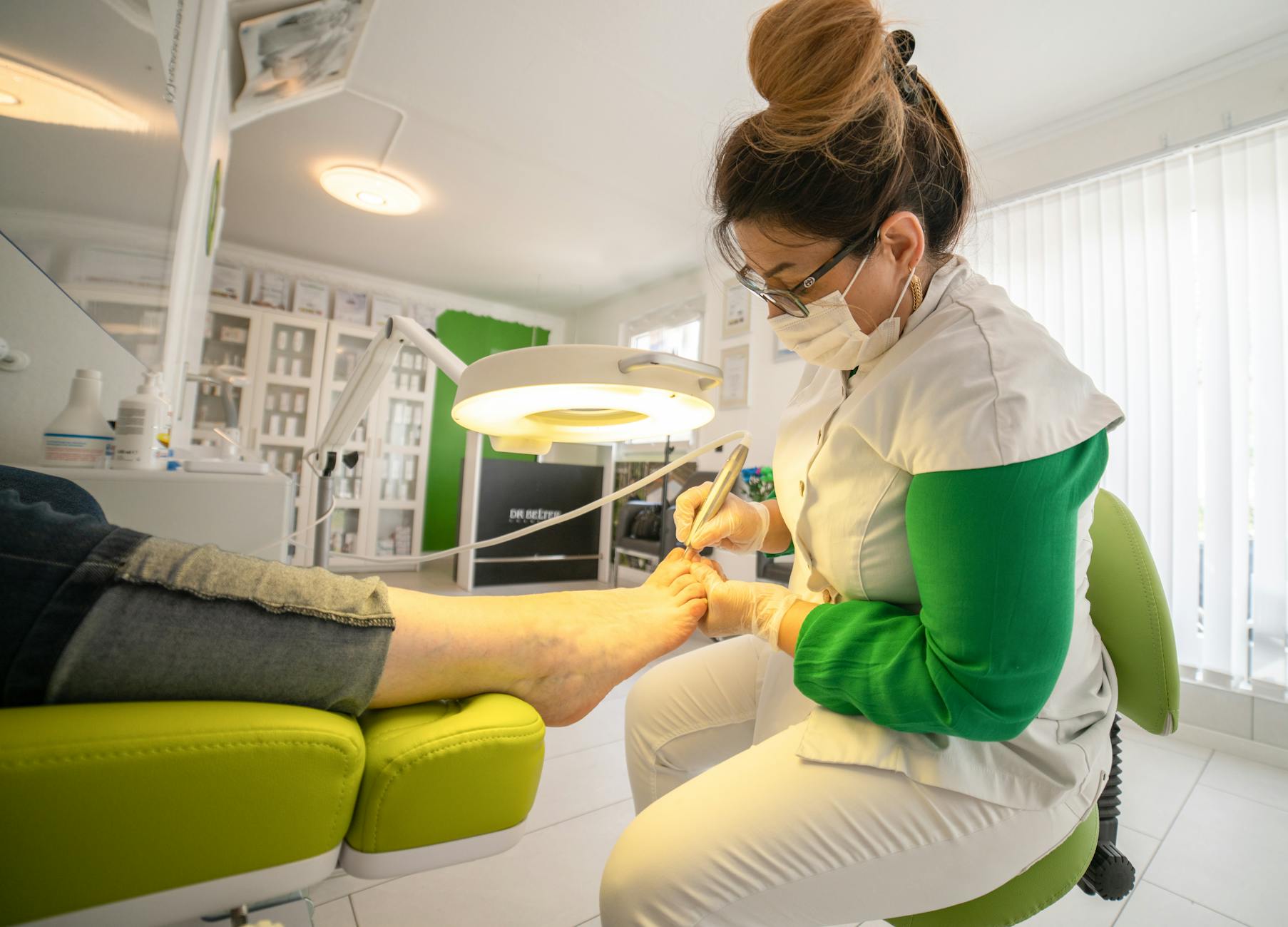
- Inspect your feet every day for cuts, blisters, or sores you might not feel.
- Wear well-fitting, cushioned shoes — even indoors. Going barefoot increases the risk of injury.
- Keep toenails trimmed straight across to prevent ingrown nails and infections.
- Moisturize daily to prevent cracking, but avoid putting lotion between your toes where moisture can lead to fungal infections.
These small habits can prevent serious complications. The American Podiatric Medical Association reports that foot problems are the leading cause of hospitalization for people with diabetes-related neuropathy.
6. Prioritize Sleep and Stress Management
Neuropathy pain often feels worse at night. When the day’s distractions fade, nerve pain can intensify — robbing you of the restorative sleep your body desperately needs. And unfortunately, poor sleep actually lowers your pain threshold, creating a vicious cycle.
Tips for better sleep with neuropathy:
- Use a bed cradle or lightweight blanket to keep fabric from pressing against sensitive feet.
- Try wearing loose, breathable socks to bed — some people find that light compression socks help, while others prefer none at all. Experiment to see what feels best.
- Keep a consistent bedtime routine and avoid screens for at least 30 minutes before sleep.
- Consider a pillow between or under your legs to reduce pressure on nerves.
Managing stress is equally important. Chronic stress raises cortisol levels, which increases inflammation throughout the body — including in your nerves. A 2017 study in Pain Medicine found that mindfulness meditation significantly reduced neuropathic pain severity in older adults after just eight weeks.
Simple stress-relief practices you can do at home include deep breathing exercises, guided meditation apps (like Insight Timer, which is free), gentle stretching, and even spending time in nature or with a beloved pet.
When to Talk to Your Doctor
Home management strategies can be incredibly effective, but they work best alongside — not instead of — professional medical care. Contact your doctor if you experience:
- Sudden worsening of symptoms or new areas of numbness
- Weakness in your legs that affects your balance or ability to walk
- Wounds on your feet that aren’t healing
- Side effects from any new supplements or topical treatments
- Symptoms of depression or anxiety related to chronic pain
Your doctor may recommend prescription medications, physical therapy, or other interventions that complement your home care routine. It’s also worth reviewing your current medications — some prescriptions can actually contribute to neuropathy as a side effect.
If you’re on Medicare, many of these services — including doctor visits, physical therapy, and even therapeutic shoes for diabetic neuropathy — may be covered. Visit our Medicare blog to learn more about what’s available to you, or explore the Medicare Benefits Hub for a detailed breakdown of coverage options.
You Deserve Comfort — And It’s Within Reach
Living with neuropathy can feel isolating and exhausting, but you have more power than you might think. By combining gentle exercise, smart nutrition, proper foot care, topical pain relief, and good sleep habits, many seniors find they can significantly reduce their symptoms and enjoy life more fully.
The key is to start small. Pick one or two strategies from this guide and try them consistently for two weeks. Track how you feel. Then add another. Over time, these small steps add up to real, meaningful relief.
You’ve already taken the first step by reading this far. That tells us you’re someone who takes your health seriously — and that’s exactly the kind of person who sees results.
📋 Want to Make Sure Your Medicare Covers Neuropathy Care?
Many Medicare plans cover treatments, therapies, and supplies that can help with neuropathy — but it’s not always easy to know what’s included. We’ve put together a simple, free resource to help you understand your benefits and avoid unexpected costs.
Download our free Medicare checklist today and take the guesswork out of your healthcare coverage. It only takes a minute, and it could save you hundreds.