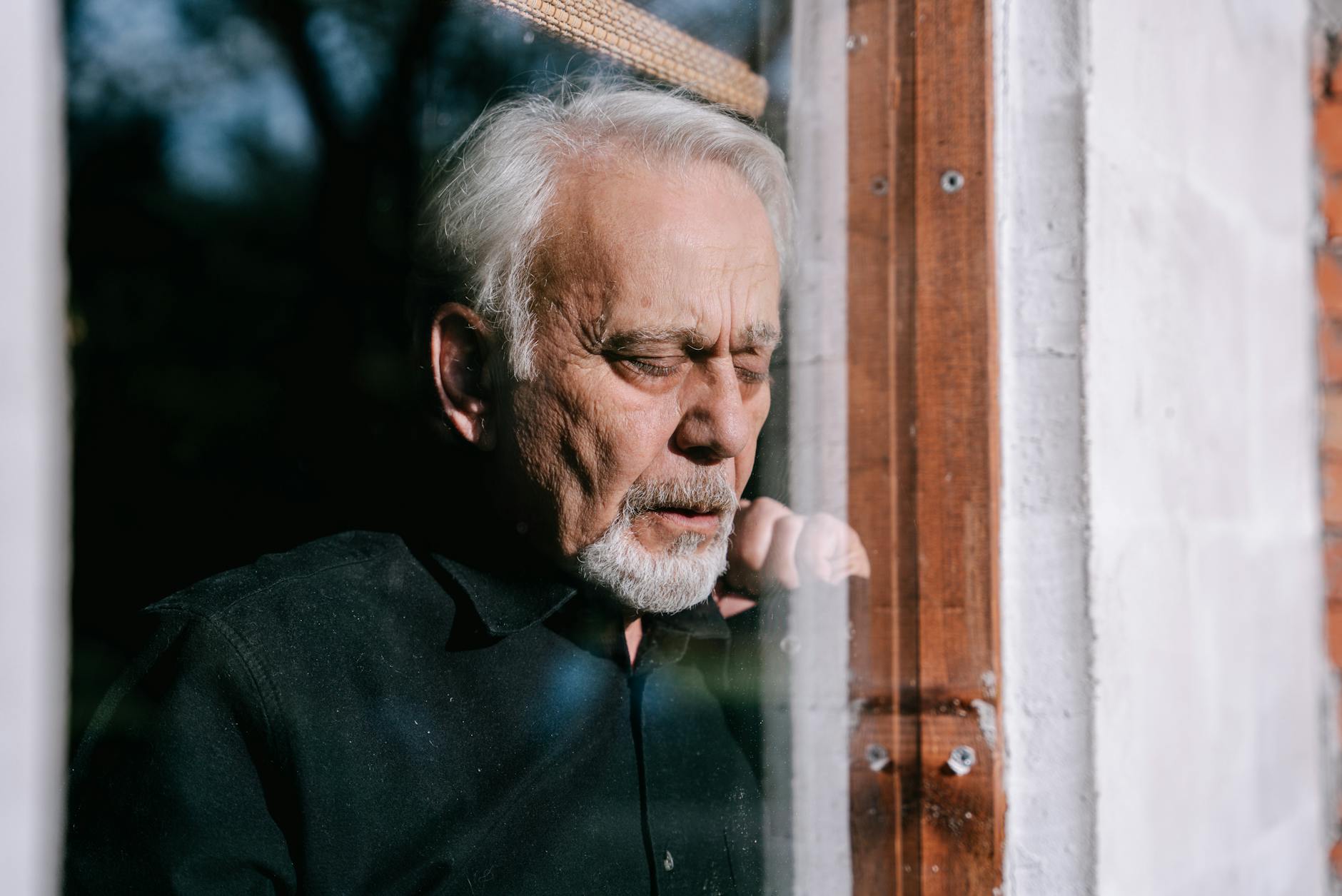

Signs of Depression in Elderly Adults: What Families Must Never Ignore
Depression is the most under-diagnosed and under-treated medical condition in adults over 70 — and it is quietly robbing millions of seniors of their health, independence, and years of life. The World Health Organization reports that depression affects more than 7% of the global elderly population, yet fewer than 10% of affected seniors ever receive treatment. Why? Because the signs of depression in elderly adults look dramatically different from what most families expect, and even most primary care doctors miss them at alarming rates.
Understanding what depression actually looks like in a senior over 70 — not in a textbook picture of a young person in tears, but in the specific, often subtle ways it presents in older adults — could be the most important thing you read this year. It could save the life of someone you love.
Why Depression in Seniors Is So Easily Missed
In younger adults, depression is typically recognizable by persistent sadness, crying, and expressions of hopelessness. In seniors over 70, this classic picture is far less common. Instead, depression in elderly adults tends to manifest as physical complaints, behavioral changes, and cognitive symptoms that are routinely attributed to “normal aging” or other medical conditions.
This is compounded by the fact that many seniors from older generations were raised to believe that acknowledging emotional struggle is a sign of weakness. They will tell their doctor their knees hurt, but they will not say they feel empty inside. They will stop cooking, but they won’t say they’ve lost the will to eat. Understanding these indirect presentations is what allows families and caregivers to see what seniors cannot or will not say.
Research Proves: Untreated Depression Accelerates Physical Decline
A 20-year longitudinal study published in JAMA Internal Medicine found that seniors with untreated depression experienced a 65% faster rate of physical functional decline compared to non-depressed peers of the same age and health status. Depression doesn’t just affect mood — it directly impairs immune function, increases inflammation, disrupts sleep architecture, reduces appetite, and decreases motivation for physical activity. All of these effects accelerate aging at the cellular level.
Equally important: a 2020 meta-analysis in The Lancet Psychiatry confirmed that effective treatment of depression in older adults — whether through therapy, medication, or both — significantly reverses these physical decline trajectories. It is never too late to intervene.
10 Signs of Depression in Elderly Adults That Are Commonly Missed
1. Withdrawing from activities they previously loved. This is one of the earliest and most reliable signs. If a senior who used to love gardening stops going outside, or a lifelong card player suddenly has no interest in the weekly game, take note. This withdrawal is not “just getting older” — it is a hallmark symptom called anhedonia, the inability to experience pleasure from previously enjoyable activities.
2. Increased physical complaints with no clear medical cause. Headaches, back pain, digestive problems, and fatigue that seem disproportionate to known medical conditions are frequently depression presenting as somatic symptoms. Research shows that seniors are three times more likely to report physical complaints as their primary depression symptom than to report mood changes.
3. Memory problems and difficulty concentrating. Depression causes significant impairment of the prefrontal cortex, producing what clinicians call pseudodementia — cognitive symptoms that closely mimic early Alzheimer’s disease. A senior who seems to be developing dementia may actually be severely depressed, and these cognitive symptoms often resolve completely with appropriate depression treatment.
4. Changes in sleep patterns — particularly early morning awakening. Waking up at 3 or 4 AM and being unable to return to sleep is a highly specific symptom of depression in older adults, driven by disrupted cortisol rhythms. While insomnia takes many forms, this particular pattern — sleeping fine until the early morning hours, then lying awake with dark thoughts — is a strong clinical indicator.
5. Loss of appetite and unintentional weight loss. When depression suppresses motivation and reduces the pleasure of eating, seniors may simply stop eating adequate amounts. A weight loss of 5% or more of body weight over 6–12 months without a medical explanation warrants both a physical and mental health evaluation.
6. Increased irritability, agitation, or anger. Many family members are surprised to learn that irritability is often a more prominent symptom of depression in seniors than sadness. A previously patient, gentle person who becomes short-tempered, easily frustrated, or prone to sudden anger may be depressed, not simply “grumpy in old age.”
7. Neglecting personal hygiene and home maintenance. When depression strips away motivation, self-care is often among the first casualties. A senior who has always been fastidious about their appearance and home beginning to let these things slide — unwashed hair, unwashed dishes, unopened mail piling up — is showing a serious warning sign.
8. Expressions of worthlessness, hopelessness, or being a burden. Pay very close attention if a senior says things like “I don’t know why I’m still here,” “Nobody would miss me,” or “I’m just a burden to everyone.” These statements, even made casually or as apparent jokes, are serious warning signs that require immediate attention. Suicide rates among men over 75 are the highest of any demographic group in the United States.
9. Slowed movement and speech. Psychomotor retardation — a slowing of both physical movement and speech rate — is a measurable physiological sign of depression that can be observed by family members. If a senior seems to move more slowly, pause longer before speaking, or respond less spontaneously than usual, this is not simply aging — it can be a direct effect of depression on motor circuits in the brain.
10. Increased alcohol use. Self-medicating emotional pain with alcohol is a pattern that appears across all age groups but is particularly concerning in seniors due to dangerous medication interactions and the way alcohol dramatically worsens depression over time. A senior drinking more than in the past — or hiding their drinking — needs compassionate attention, not judgment.
Research Proves: Depression Treatment Works at Any Age
One of the most empowering findings in geriatric psychiatry is that seniors respond to depression treatment as well as or better than younger adults. A comprehensive analysis published in the British Journal of Psychiatry found that 70–80% of depressed seniors showed significant improvement with appropriate treatment. Cognitive behavioral therapy (CBT) has been adapted specifically for older adults and is highly effective. Antidepressant medications work well in seniors when properly prescribed and monitored. Combination approaches — therapy plus medication — produce the strongest outcomes.
Exercise has also been validated as a powerful antidepressant for seniors. A landmark Duke University study called the SMILE trial found that 30 minutes of aerobic exercise three times per week was as effective as sertraline (Zoloft) for major depression in older adults, with lower relapse rates at the 10-month follow-up.
What to Do If You Recognize These Signs
If you recognize several of these warning signs in yourself or a loved one, the most important first step is a conversation with a primary care physician. Share what you’ve observed specifically and request a formal depression screening — the Geriatric Depression Scale (GDS) is a validated 15-question tool used specifically for seniors and takes only a few minutes to complete.
Approach the conversation with warmth and without judgment. Telling a senior “I’ve noticed you haven’t seemed like yourself lately and I care about you” opens a door. Telling them “I think you’re depressed” may cause them to shut down. If the senior refuses help, seek guidance from their physician about how to approach the situation safely.
Depression is a medical condition, not a character flaw, not inevitable aging, and not a life sentence. Recognizing it is the first step to reversing it — and giving the seniors we love more of the vibrant, engaged life they deserve.
Follow SeniorsSecrets.com for daily tips that help you live longer and stronger.