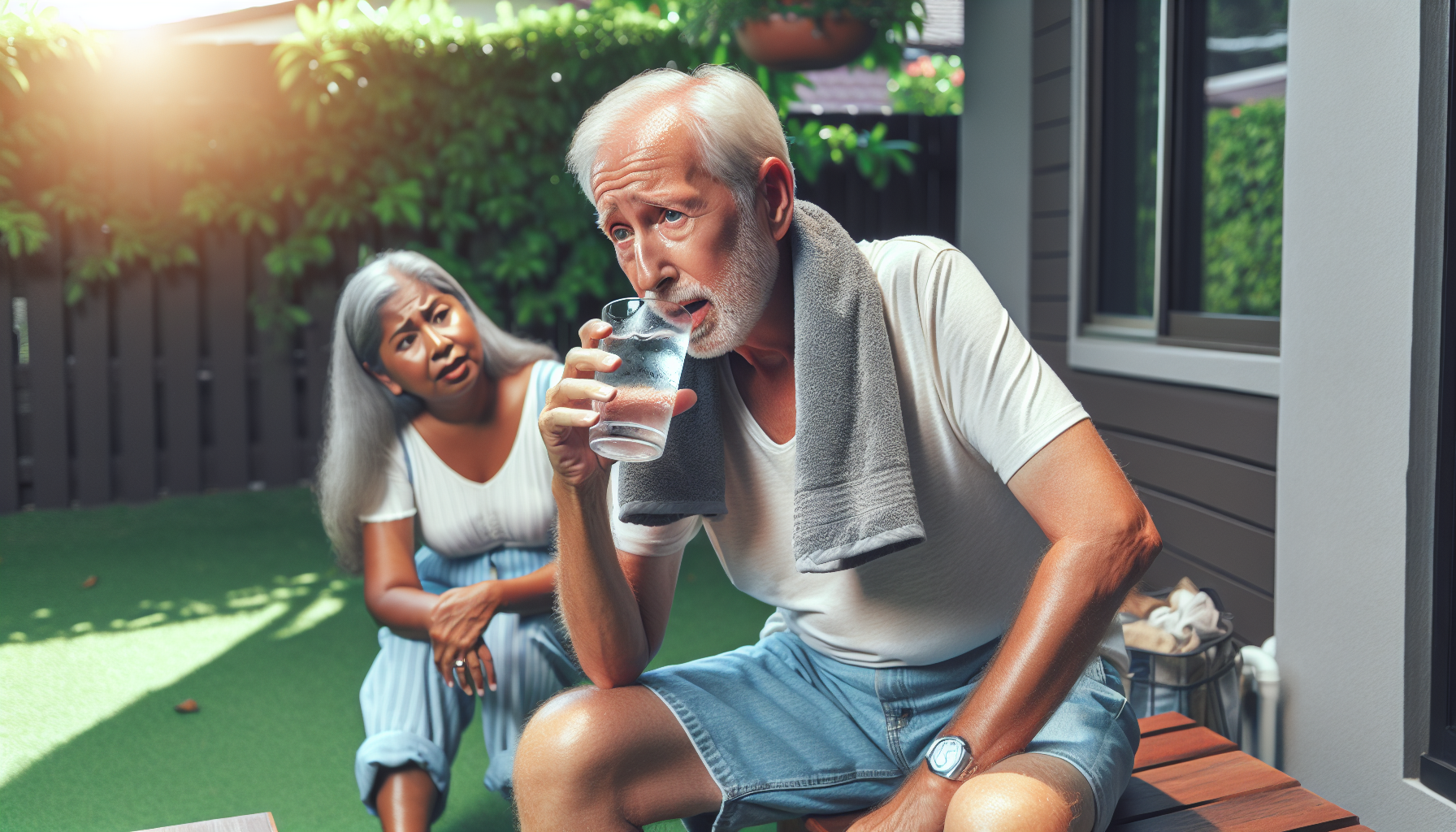

Heat stroke in seniors kills thousands of Americans every year — and most of those deaths are preventable. Adults over 65 are 3 to 5 times more likely to die during heat waves than younger adults, according to the CDC. As summer 2026 approaches with forecasts for record temperatures across much of the U.S., understanding why seniors are so vulnerable to heat illness — and exactly what to do about it — is potentially life-saving information. This is not a minor health topic. Heat is the deadliest weather-related killer in America, claiming more lives annually than floods, tornadoes, and hurricanes combined.
Why Seniors Are Dangerously Vulnerable to Heat
The aging body loses its ability to handle heat through several mechanisms that most seniors are unaware of. First, the sweating response slows — older adults sweat less, both because sweat gland function declines and because seniors often have lower fluid intake and are chronically mildly dehydrated. Second, seniors are less able to sense thirst accurately, meaning they become significantly dehydrated before they feel the signal to drink. Third, the cardiovascular system becomes less efficient at routing blood to the skin (the body’s cooling mechanism) while maintaining blood pressure. Fourth, common medications — diuretics, beta-blockers, anticholinergics, antipsychotics — all impair heat dissipation.
Heat-Related Illness: From Heat Cramps to Fatal Heat Stroke
| Condition | Symptoms | Severity | Action |
|---|---|---|---|
| Heat cramps | Muscle spasms, pain | Mild | Rest, fluids, electrolytes |
| Heat syncope | Fainting or near-fainting | Moderate | Lie down, cool area, fluids |
| Heat exhaustion | Heavy sweating, weakness, cold/pale/clammy skin, fast pulse, nausea, headache | Serious | Move to cool area, hydrate, cool with wet cloths — call doctor |
| Heat stroke | High body temp (103°F+), hot/red/dry OR damp skin, rapid strong pulse, confusion, unconsciousness | Life-threatening | CALL 911 IMMEDIATELY — cool rapidly while waiting for EMS |
10 Warning Signs of Heat Stroke in Seniors
- Body temperature above 103°F (39.4°C) — measured by thermometer, not just feeling hot
- Confusion, agitation, slurred speech, or delirium — the most dangerous warning sign
- Loss of consciousness or unresponsiveness
- Hot, red skin — may be dry (classic heat stroke) or still sweating
- Rapid, strong pulse
- Headache — severe, throbbing
- Nausea and vomiting
- Dizziness or loss of balance
- Stopped sweating despite the heat — a critical danger sign
- Seizures — requires immediate emergency response
If you see any of these signs in a senior, call 911 immediately. Heat stroke is a medical emergency — permanent brain, organ damage, or death can occur within minutes if untreated.
Medications That Increase Heat Danger in Seniors
| Drug Type | Common Examples | How It Increases Risk |
|---|---|---|
| Diuretics | Furosemide, hydrochlorothiazide | Increases dehydration risk |
| Beta-blockers | Metoprolol, atenolol, carvedilol | Reduces heart’s ability to increase rate to cool body |
| ACE inhibitors/ARBs | Lisinopril, losartan | Can cause dangerous potassium/fluid imbalances |
| Anticholinergics | Bladder meds, antihistamines | Blocks sweating response directly |
| Antipsychotics | Risperidone, quetiapine, haloperidol | Impairs hypothalamic temperature regulation |
| Benzodiazepines | Lorazepam, alprazolam | Reduces physical activity and heat awareness |
| Stimulants | Some ADHD medications | Increases heat production |
Do NOT stop medications without talking to your doctor. Instead, discuss heat safety specifically in the context of your medication list before summer.
10 Evidence-Based Ways Seniors Can Prevent Heat Illness
- Stay in air conditioning during peak heat (10 AM–4 PM): Home AC is the single most effective protection. If you don’t have AC, go to a cooling center, library, mall, or senior center during peak hours.
- Drink water proactively — don’t wait for thirst: Aim for at least 8 cups of water daily, and increase by 2–3 cups on hot days. Avoid alcohol and excessive caffeine, which worsen dehydration.
- Check the heat index, not just temperature: When humidity is high, the feels-like temperature is far more dangerous than the thermometer reading. Heat index above 103°F = extreme danger for seniors.
- Wear loose, light-colored, lightweight clothing: Natural fibers (cotton, linen) breathe better than synthetics. Light colors reflect heat.
- Take cool showers or baths: The most rapidly effective way to lower core body temperature. Wet a towel and apply to neck, wrists, and armpits.
- Eat small, frequent meals: Digestion generates body heat. Large meals increase internal heat production. Eat cooling foods: fruits, salads, yogurt.
- Never leave home without telling someone your plans: Heat illness can render you unable to call for help quickly. A daily check-in system with family or neighbors saves lives.
- Know your cooling center location: Every major city has designated cooling centers. Call 211 or visit 211.org to find the nearest location.
- Check on neighbors: Social isolation is a major risk factor for heat death. Check on elderly neighbors daily during heat waves.
- Review your medications for heat risk: Ask your pharmacist or doctor specifically: “Do any of my medications increase my risk in the heat?” before summer.
What To Do If You Suspect Heat Stroke: Emergency First Aid
- Call 911 immediately
- Move the person to a cool, shaded, or air-conditioned area
- Cool the person rapidly by any means available: immerse in cool (not ice cold) water, apply ice packs to neck/armpits/groin, use fans with mist
- Do NOT give fluids if the person is confused or unconscious — choking risk
- Remove excess clothing
- Continue cooling until EMS arrives — target body temp below 102°F
Does Medicare Cover Heat-Related Illness Treatment?
Yes. Heat stroke treatment involves emergency room care and often hospitalization — all covered by Medicare Part A (after the $1,736 deductible) and Part B (for ER and outpatient services, after the $283 deductible). If you have a Medicare Supplement (Medigap) plan, your out-of-pocket costs are much lower. For prevention, Medicare Part B covers annual wellness visits where your doctor should assess heat risk — especially relevant if you’re on medications that increase heat sensitivity.
Sources
- CDC: Extreme Heat & Older Adults
- NIA: Hot Weather Safety for Older Adults
- FEMA: Heat Safety Preparedness
Related Articles