
If you are 50 or older and have not received the shingles vaccine, you are carrying one of the most painful and preventable risks in senior health. Shingles strikes about 1 in 3 Americans during their lifetime. Seniors face the greatest risk — and the devastating nerve pain that can follow (postherpetic neuralgia) can last for months or years. The good news in 2026: the shingles vaccine Shingrix is now fully covered at $0 cost for most seniors with Medicare Part D. Here is everything you need to know about the shingles vaccine for seniors in 2026.
What Is Shingles and Why Are Seniors at Highest Risk?
Shingles (herpes zoster) occurs when the varicella-zoster virus — the same virus that causes chickenpox — reactivates in your nervous system after lying dormant for decades. About 1 in 3 Americans develop shingles in their lifetime, and nearly 99% of adults born before 1980 carry the dormant virus. Age is the single greatest risk factor: as the immune system weakens with age, it becomes less able to keep the virus suppressed. Additional risk factors include a weakened immune system from diabetes, cancer treatment, or immunosuppressive medications, as well as significant stress or illness.
| Age Group | Annual Shingles Risk | PHN Risk After Shingles |
|---|---|---|
| Under 50 | Low | ~5% |
| 50-59 | Moderate | ~20% |
| 60-69 | Higher | 50-60% |
| 70 and older | Highest | ~75% |
Postherpetic Neuralgia (PHN): The Most Feared Complication for Seniors
The rash from shingles typically heals within 2-4 weeks. But for many seniors, the worst part comes after: postherpetic neuralgia (PHN), where intense nerve pain persists for months or years. According to the CDC, PHN occurs in approximately 10-18% of all shingles patients — but in adults over 60, the risk climbs to 50-60%. By age 70, roughly 75% of people who develop shingles will experience PHN. The pain can be burning, stabbing, or feel like the skin is on fire — severe enough to disrupt sleep, daily activities, and quality of life. Beyond PHN, shingles in seniors carries risks of bacterial skin infections, ophthalmic shingles threatening vision, pneumonia, hearing problems, and in rare cases brain inflammation.
Shingrix: The Gold-Standard Shingles Vaccine for Seniors in 2026
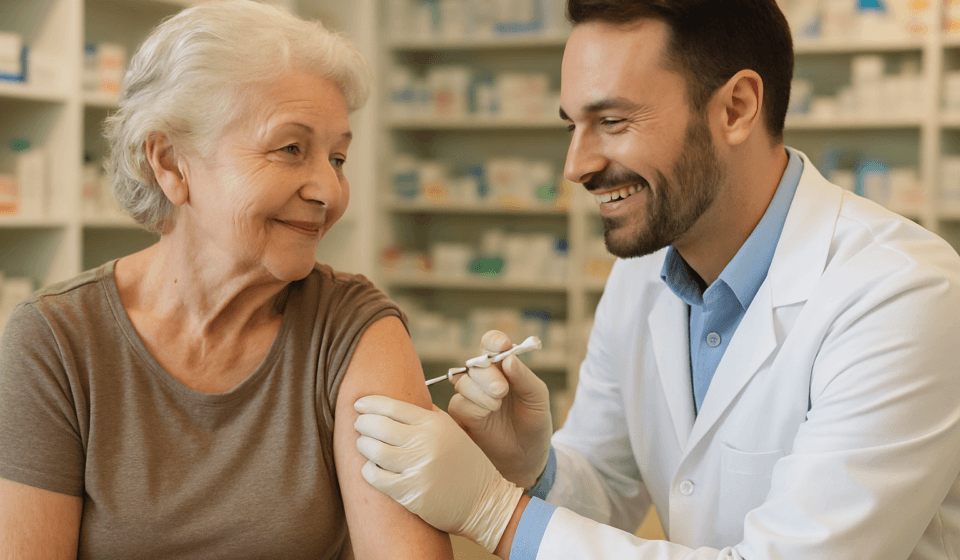
The CDC recommends Shingrix (recombinant zoster vaccine) for all adults 50 and older. FDA-approved in 2017, Shingrix replaced the older Zostavax vaccine and is dramatically more effective: over 90% effective at preventing shingles in healthy adults 50+, over 89% effective at preventing PHN, and 91% effective in adults 70 and older. Effectiveness remains high for at least 7 years. Shingrix is given as two doses, 2-6 months apart, using recombinant (non-live) technology — safe for people with weakened immune systems. Even if you had shingles before, get Shingrix to prevent recurrence. If you previously received Zostavax, get Shingrix for superior protection.
Medicare Coverage for the Shingles Vaccine in 2026: The Key Facts
- Medicare Part A does NOT cover the shingles vaccine
- Medicare Part B does NOT cover the shingles vaccine (though Part B covers flu, pneumonia, COVID-19, and hepatitis B vaccines)
- Medicare Part D DOES cover Shingrix at $0 out-of-pocket cost — the Inflation Reduction Act eliminated all copays and deductibles for ACIP-recommended vaccines under Part D since January 1, 2023
If you have a Medicare prescription drug plan (standalone Part D or Medicare Advantage with drug coverage), you should pay nothing for both Shingrix doses in 2026. Without Part D, the list price is approximately $200-$230 per dose (~$460 total) — a strong reason to enroll in Part D if you have not already.
How to Get the Shingles Vaccine at $0 in 2026: Step-by-Step
- Call ahead to confirm the pharmacy is in your Part D plan network
- Bring your Medicare card and Part D prescription drug card
- Ask the pharmacist to bill your Part D plan (not Part B)
- You should pay $0 — if charged, contact your plan for clarification
- Schedule your second dose 2-6 months after the first
Shingrix Side Effects: What Seniors Should Expect
- Injection site reactions: Pain, redness, swelling at the upper arm — affects about 80% of recipients
- Systemic reactions: Muscle pain, fatigue, headache, fever, chills, nausea — affects about 50% of recipients
- Duration: Side effects typically resolve within 2-3 days
- Practical tip: Get the vaccine on a Friday afternoon so any discomfort resolves over the weekend. Keep acetaminophen (Tylenol) on hand for comfort.
- Rare risk: Guillain-Barre syndrome has been reported very rarely (~3 additional cases per million doses) — discuss with your doctor if you have a GBS history
Who Should and Should Not Get Shingrix
The CDC recommends Shingrix for all healthy adults 50+, adults 19+ with weakened immune systems, people who previously had shingles, and those who received Zostavax. Delay or discuss with your doctor if you have a current moderate or severe illness, active shingles outbreak, are pregnant, or had a severe allergic reaction to a previous Shingrix dose.
Boosting Your Immune System to Support Shingles Prevention
While Shingrix is the most powerful protection, a healthy immune system overall reduces reactivation risk. Key strategies: adequate sleep (7-9 hours nightly), stress management, optimal vitamin D levels (40-60 ng/mL), an anti-inflammatory diet rich in fruits and vegetables, regular moderate exercise, and staying current on all recommended vaccines.
Related Articles You May Find Helpful
- Glaucoma in Seniors 2026: Warning Signs and Free Medicare Screenings
- Medicare Cancer Treatment Coverage 2026: What Seniors Must Know
- Vitamin C for Seniors 2026: Benefits, Dosage & Best Food Sources
- Vitamin K2 for Seniors 2026: The Missing Bone & Heart Nutrient
- Prediabetes in Seniors 2026: How to Reverse It Before It’s Too Late
Sources: CDC Shingles Vaccination | Medicare.gov: Shingles Shots | NIH: Postherpetic Neuralgia in the Elderly