
Why Your Morning Feels So Stiff — And What You Can Do About It
If you’re over 65, you already know the feeling. You open your eyes, swing your legs over the side of the bed, and your body protests like it aged ten years overnight. Your back is tight, your knees creak, and your shoulders feel like they’ve been locked in place.
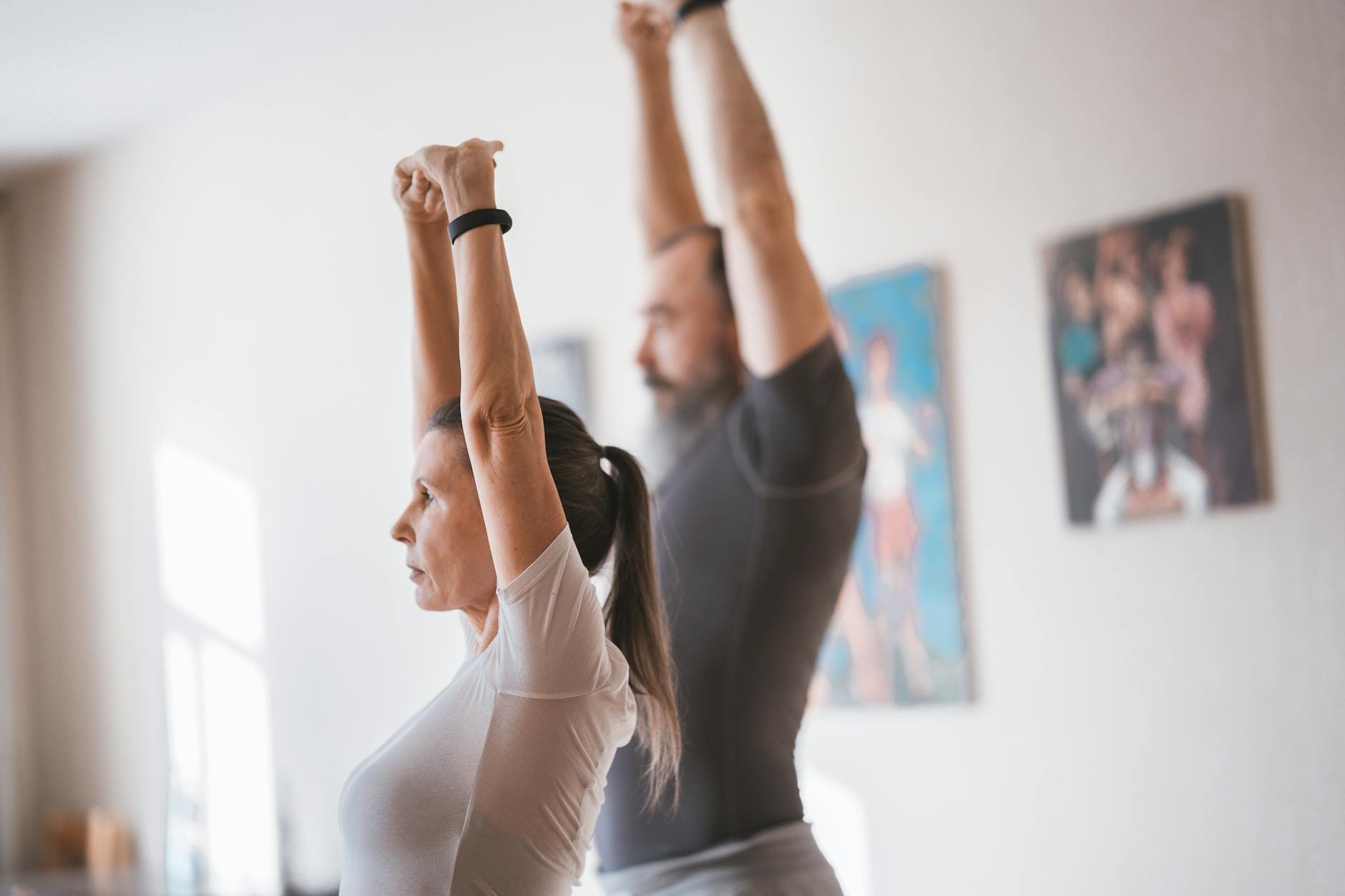
You’re not alone — and you’re not imagining it. A morning stretching routine for seniors over 65 can be one of the simplest, most effective ways to fight that daily stiffness, improve your balance, and protect your independence for years to come.
According to the Centers for Disease Control and Prevention (CDC), more than one in four adults over 65 falls each year, and reduced flexibility is a major contributing factor. The good news? Just 10–15 minutes of gentle stretching each morning can make a remarkable difference in how you feel — and how safely you move — all day long.
Let’s walk through a complete, safe, and easy-to-follow routine you can start tomorrow morning.
The Science-Backed Benefits of Morning Stretching After 65
Before we jump into the stretches, let’s talk about why this matters so much. It’s not just about “feeling limber” — the benefits are real, measurable, and backed by research.
- Improved flexibility and range of motion: A 2019 study published in the Journal of Aging and Physical Activity found that adults over 65 who stretched regularly saw a 20–30% improvement in joint range of motion within 8 weeks.
- Reduced fall risk: The National Institute on Aging reports that stretching combined with balance exercises can significantly reduce the risk of dangerous falls.
- Less pain and stiffness: Morning stiffness is often caused by reduced synovial fluid in your joints overnight. Gentle movement helps “lubricate” those joints, easing discomfort naturally.
- Better circulation: Stretching increases blood flow to your muscles and brain, helping you feel more alert and energized without caffeine.
- Improved mood: Research from Harvard Medical School shows that gentle morning movement releases endorphins, which can reduce anxiety and improve your outlook for the entire day.
Think of morning stretching as a daily gift to your future self. Every minute you invest now pays dividends in mobility and confidence later.
Before You Start: Important Safety Tips
Safety comes first — always. These stretches are designed to be gentle, but every body is different. Here are a few ground rules to follow:
- Talk to your doctor first if you have osteoporosis, recent joint replacement, or any condition that affects your movement. Most doctors enthusiastically support gentle stretching, but it’s always smart to ask.
- Never bounce. Use slow, steady movements. Bouncing can strain muscles and tendons, especially as we age.
- Breathe deeply. Inhale through your nose, exhale through your mouth. Never hold your breath during a stretch.
- Stop if it hurts. You should feel a gentle pull — never sharp or shooting pain. Discomfort is a signal to ease up.
- Use support. Keep a sturdy chair nearby for balance. There’s no shame in holding on — it’s smart.
- Wear comfortable clothing and non-slip socks or shoes. A yoga mat or carpet provides cushioning if you’re stretching on the floor.
If you’re managing health conditions and want to make sure you’re covered for physical therapy or wellness visits, be sure to explore our Medicare blog for the latest information on what’s included in your plan.
Your Complete 10-Minute Morning Stretching Routine
Here’s a step-by-step routine you can do right beside your bed. Each stretch should be held for 15–30 seconds and repeated 2–3 times per side. The entire routine takes about 10–15 minutes.
1. Seated Neck Stretches (2 minutes)
Sit on the edge of your bed or in a sturdy chair with your feet flat on the floor. Slowly tilt your right ear toward your right shoulder until you feel a gentle stretch on the left side of your neck. Hold for 15–20 seconds, then switch sides.
Next, gently drop your chin toward your chest and hold for 15 seconds. Then slowly look up toward the ceiling (only as far as comfortable) and hold. This relieves tension that builds overnight, especially if you sleep in an awkward position.
2. Shoulder Rolls and Chest Opener (2 minutes)
While seated, roll your shoulders forward in slow circles 5 times, then reverse direction for 5 more. This warms up the rotator cuff and upper back.
Next, clasp your hands behind your back (or hold a small towel between them if clasping is difficult). Gently squeeze your shoulder blades together and lift your hands slightly. You’ll feel a wonderful opening across your chest. Hold for 15–20 seconds. This stretch counteracts the forward-hunching posture that becomes more common with age.
3. Seated Spinal Twist (2 minutes)
Sit tall with your feet flat on the floor. Place your right hand on your left knee and gently twist your upper body to the left, looking over your left shoulder. Hold for 15–20 seconds, breathing deeply. Return to center and repeat on the other side.
Spinal twists help maintain the rotation your body needs for everyday tasks — like checking your blind spot while driving or reaching for something on a shelf behind you.
4. Standing Calf and Hamstring Stretch (2 minutes)
Stand behind your chair, holding the back for support. Step your right foot back about 18 inches, keeping your heel on the floor. Lean gently forward until you feel a stretch in your right calf. Hold for 20 seconds, then switch legs.
For your hamstrings, place your right heel on the seat of the chair (or a lower step if the chair is too high). Keep your leg straight and gently lean forward from your hips — not your waist — until you feel a stretch behind your thigh. Hold for 20 seconds per side. Tight hamstrings are one of the biggest contributors to lower back pain in seniors, so this stretch is especially important.
5. Hip Circles and Hip Flexor Stretch (2 minutes)
Standing with your hands on the chair back, make slow circles with your hips — 5 clockwise, 5 counterclockwise. This gently mobilizes the hip joints, which stiffen significantly overnight.
Then, step your right foot forward into a small lunge position (keep it gentle — this isn’t a gym class). You should feel a stretch in the front of your left hip. Hold for 20 seconds per side. According to the American Academy of Orthopaedic Surgeons, tight hip flexors are one of the top causes of balance problems in older adults.
6. Ankle Circles and Toe Raises (1 minute)
Still holding your chair, lift your right foot and slowly circle your ankle 10 times in each direction. Repeat with your left foot. Then, rise up onto your toes slowly, hold for 3 seconds, and lower back down. Repeat 10 times.
This final stretch improves ankle stability — a critical factor in preventing falls, especially on uneven surfaces like sidewalks and parking lots.
How to Make This Routine a Daily Habit
Knowing a routine and actually doing it every day are two very different things. Here are some practical tips to make stretching stick:
- Anchor it to something you already do. Stretch right after you use the bathroom in the morning — before coffee, before checking your phone. Pairing a new habit with an existing one makes it automatic faster.
- Set out your clothes the night before. If you need to change into something comfortable, remove that barrier by having it ready.
- Track your progress. Use a simple calendar and mark an “X” for each day you stretch. After a week, you won’t want to break the streak.
- Start small. If 10 minutes feels like too much, start with just 3 stretches. You can build up over time. Consistency beats intensity every single time.
- Invite a friend or spouse. Stretching together adds accountability and makes it more enjoyable. Some couples make it part of their morning routine alongside breakfast.
Most seniors who commit to daily stretching report noticeable improvements in stiffness and mobility within just 2–3 weeks. That’s a small investment for a big return.
When Stretching Alone Isn’t Enough
While morning stretching is a powerful habit, it’s just one piece of the puzzle. If you’re experiencing chronic pain, significant balance issues, or limited mobility that affects your daily life, it may be time to talk to your doctor about physical therapy or a structured fitness program.
Many seniors don’t realize that Medicare Part B covers medically necessary physical therapy — often with no referral needed. If you’re unsure about what your plan includes, you can download our free Medicare checklist to review your benefits and make sure you’re not leaving anything on the table.
You might also consider adding other gentle activities to complement your stretching routine:
- Walking — even 20 minutes a day reduces cardiovascular risk and strengthens bones
- Chair yoga — a wonderful option for those with limited mobility
- Tai Chi — the CDC recognizes it as one of the most effective fall-prevention exercises for seniors
- Water aerobics — easy on the joints with excellent resistance benefits
For more information on how Medicare supports preventive care and wellness programs, visit our Medicare resources page.
Your Best Days Start With the First Stretch
Here’s the truth nobody tells you about aging: stiffness isn’t inevitable. Pain doesn’t have to be your normal. And you don’t need fancy equipment, a gym membership, or an hour of free time to make real improvements in how your body feels.
A simple morning stretching routine — done gently, done consistently — can help you move more freely, stand more confidently, and live more independently. And it all starts with 10 minutes tomorrow morning.
Print this routine out. Tape it to your bathroom mirror. Share it with a friend. And most importantly — start. Your body will thank you before the week is out.
📋 Take Control of Your Health and Benefits
Staying active is one of the best things you can do for your health after 65 — and knowing your Medicare benefits inside and out is just as important. Make sure you’re getting every advantage you deserve.
Download our free Medicare checklist to review your coverage, discover benefits you might be missing, and take the next step toward a healthier, more confident future.